
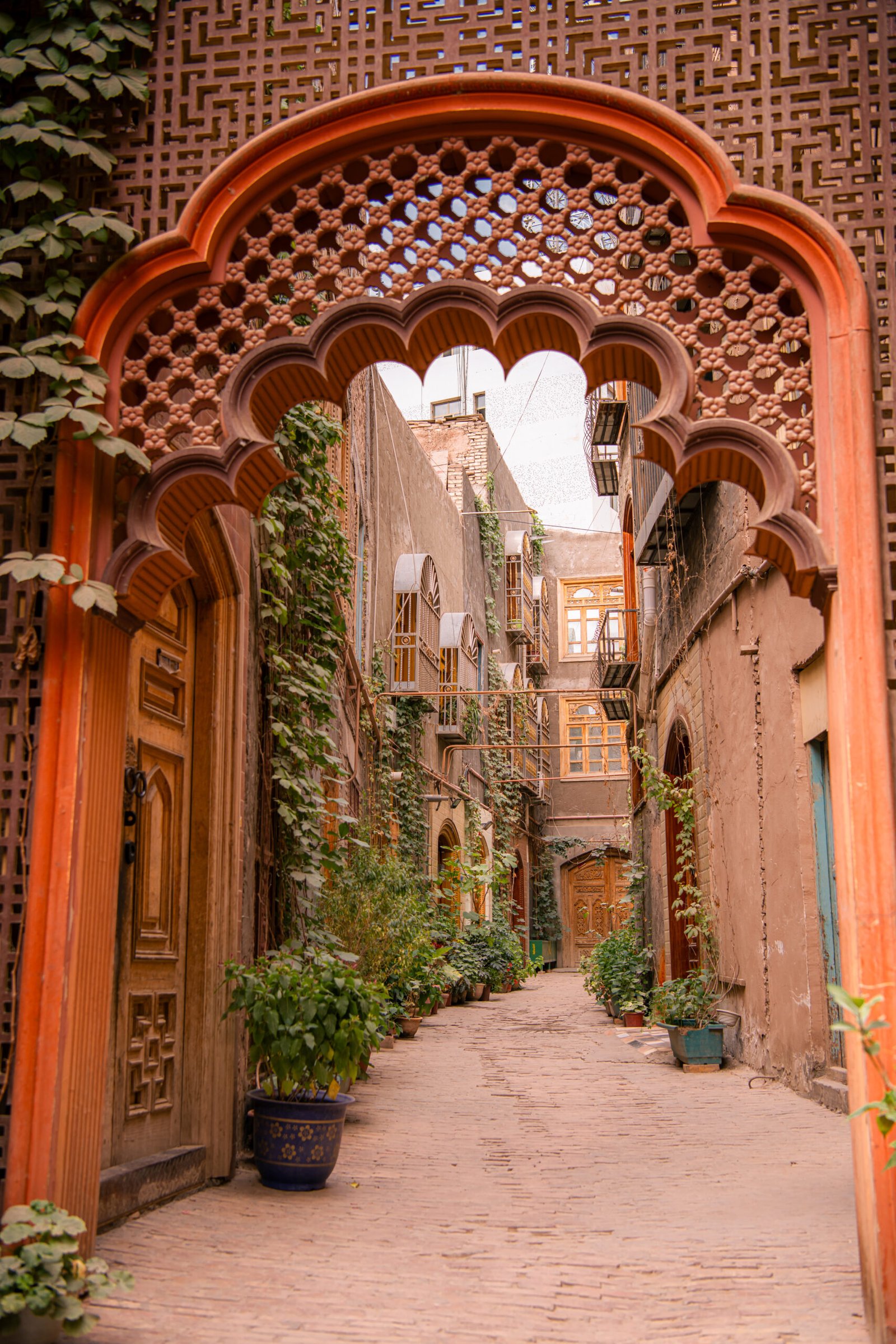
Walking through Kashgar feels like entering a world of flavors. The air is filled with the smell of lamb and cumin. It’s where Xinjiang food culture meets Central Asia’s spices.
Adventures start at the Sunday bazaar. Vendors have saffron raisins and Uyghur bread. It’s a mix of Persia and China.
Every bite here has a story. In a sunny courtyard, dough is being made into famous nan bread. It is cooked in ancient clay ovens.
The flavors are rich: cumin noodles with peppers, or slow-cooked mutton. This is where Uyghur cuisine comes alive. It’s a mix of traditions shaped by history.
Key Takeaways
- Kashgar’s food bridges Middle Eastern and East Asian traditions through dishes like hand-pulled laghman and spiced mutton skewers.
- Its bazaars and street stalls are living classrooms of Xinjiang food culture, blending Turkic, Persian, and Chinese influences.
- Uyghur cuisine prioritizes communal meals, with dishes like pilaf and bread symbolizing shared history and hospitality.
- Exploring Kashgar’s markets offers a visceral connection to the Silk Road’s culinary legacy.
- Every flavor here whispers stories of caravans, conquests, and the art of turning scarcity into abundance.
The Ancient Crossroads: Understanding Kashgar’s Unique Culinary Heritage
Walking through Kashgar’s narrow bazaars, time dissolves. This city, where caravans once traded saffron and cinnamon, is alive with Silk Road gastronomy. Every clay oven baking naan, every pot simmering with lamb and apricots, tells a story of centuries of cultural exchange.
The Silk Road Legacy in Kashgar’s Kitchens
Traders brought more than spices—they left behind a culinary dialect. Persian pomegranates meet Chinese noodles in dishes like pilaf layered with saffron threads. The Uyghur food history thrives in techniques like slow-cooking mutton with rosewater, a practice passed down through generations. In family kitchens learn how bread ovens, heated by dung and wood, became symbols of resilience and community.
Encounter Uyghur Flavors
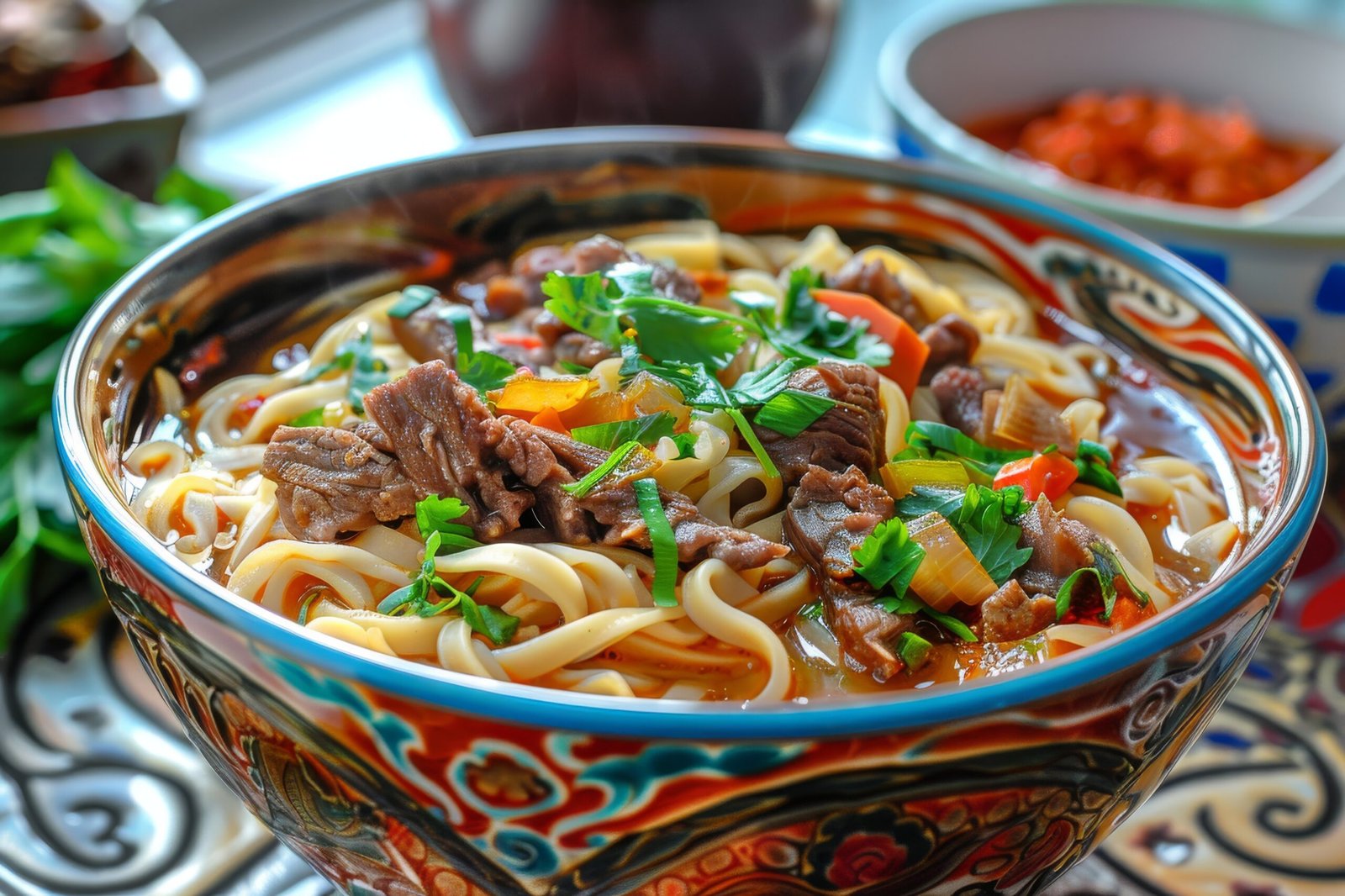
At a twilight dinner in a courtyard, a bowl of laghman—hand-rolled noodles tangled with cumin-scented vegetables—seem contrarily familiar and at the same time alien. The tang of fermented turnips, the crunch of fried dough, and the smoky scent of grilled kawaplar formed a mosaic of tastes. This is no mere meal; it is a sensory journey through time.
Why Kashgar’s Food Culture Stands Apart in China
Unlike the soy-sauce depths of eastern China or the fiery Sichuan heat, Kashgar’s dishes cling to traditions shaped by Islam and the desert’s harsh terrain. Meat is seasoned with dried apricots, not chili, and bread dominates meals as both staple and art. This Kashgar culinary heritage resists homogenization, a testament to a culture that guards its identity through taste.
A Sensory Explosion: What Makes Uyghur Cuisine Distinctively Captivating
In Kashgar’s bazaars, the air buzzes with sizzle of cumin and smoke from clay ovens. Uyghur cuisine is like a symphony, with each spice and technique playing its part. Polo (pilaf) is amazing, with toasted rice, caramelized onions, and tender lamb blending together.
This Xinjiang flavor profile is all about contrasts. Think of crisp naan giving way to soft inside, or tangy nar ekles apricots balancing rich meat stews.
Central Asian food traditions are at the heart of every dish. Spices like coriander seeds and black pepper are key, with sumac adding tartness and chili peppers adding a spark. A local chef once said,
“We don’t just cook—we compose stories with flavor.”
This idea is seen in dishes likelaghman, where noodles are wrapped in a flavorful broth. The textures in dishes like crunchysamsa pastries and silkykujiya soup tell their own stories.
| Element | Uyghur Cuisine Characteristic | Sensory Impact |
|---|---|---|
| Spice Blends | Cumin + dried fruit combinations | Earthy sweetness in dishes like kudefer |
| Textural Pairings | Crisp + tender contrasts | Wood-fired naan with creamy qymys yogurt |
| Technique | Long-simmered stews | Deep umami in da panzi noodle soups |
Every bite is a journey through Xinjiang’s cultural crossroads. The Xinjiang flavor profile is more than taste—it’s the smell of charcoal, the scent of rosewater, and the warmth of shared bread. It’s a language of boldness and restraint, creating dishes that are both familiar and new.
Navigating the Sunday Bazaar: A Culinary Tour of Kashgar’s Legendary Market
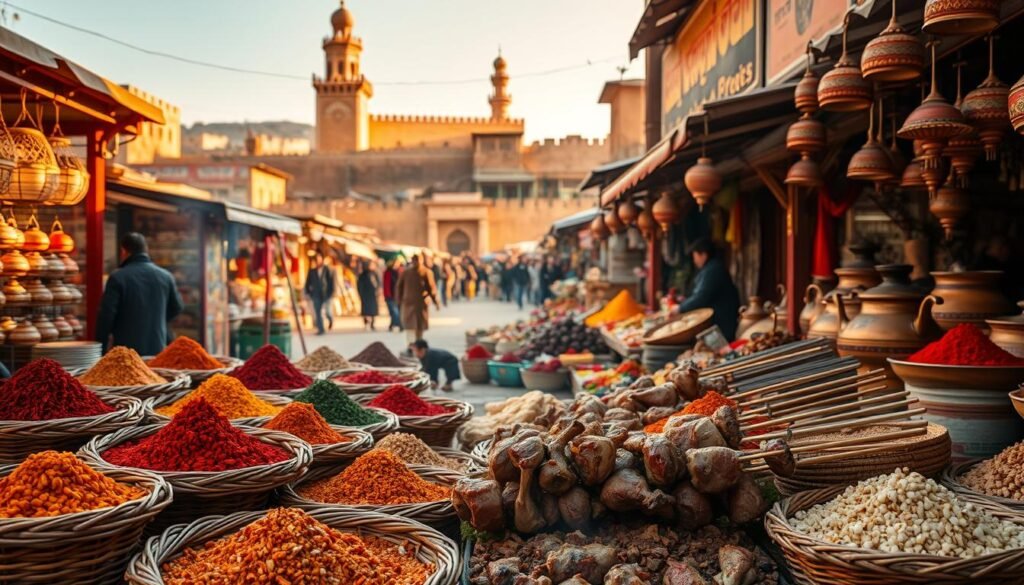
Every step at the Sunday Bazaar Kashgar feels like a journey through time. The air buzzes with the sounds of traders and the rustle of fabrics. But it’s the smells that grab you first—cinnamon, star anise, and the sharp taste of dried fruits.
This place where the past meets the present is alive with energy. The market’s pulse beats strongest here.
The Spice Section: Aromas That Tell Ancient Stories
Among the saffron threads that shine like gold, a vendor taught me to judge quality by its scent. He showed me how to sift through turmeric and chili with his weathered hands. “A good blend has balance,” he said, adding cardamom to a mortar.
“Like life itself,” he added. The spices here are more than just ingredients. They are family treasures passed down through generations.
“The best spices whisper secrets of the Silk Road,” he murmured, grinning.
Street Food Alley: The Heart of Kashgar’s Food Culture
In the alley’s center, Kashgar street food takes center stage. A vendor expertly folds dough into samsa pockets before baking them in clay ovens. Nearby, lamb broth simmers, its steam mixing with the smoky smell of grilling mutton.
Crowds gather around a stall, laughing as they eat golden naan brushed with sesame. Each bite here is a conversation between tradition and hunger.
Tea Houses and Social Hubs: More Than Just Refreshment
Tea houses line the bazaar’s edges, where time stands almost completely. Elderly men sip green tea from tiny cups, sharing stories across generations. One shopkeeper poured a cup into a porcelain bowl, saying, “Tea here is like our language—slow, deliberate.”
The steam from his tea carried a hint of rose petals. This is a place where deals are made and stories are shared. Its walls have heard decades of conversations.
The Art of Hand-Pulled Laghman: Where Technique Meets Tradition
Uyghur laghman master Amina laughs, as she shows travelers how to hold the dough. This is how Xinjiang’s noodle traditions live, not in books but in the hands of women who’ve been doing it for years.
“Patience is the first ingredient,” Amina murmured, folding the dough with surprising strength. “The noodles remember every motion.”
Her lesson is in three parts: kneading the dough until it vibrated; stretching it into long, elastic strands; and the twist-and-snap move that cut it into perfect lengths. Each step was a tradition passed down through generations, as important as prayer.
| Technique | Key Step | Cultural Significance |
|---|---|---|
| Stretching | Double the dough length with each pull | Symbolizes continuity across generations |
| Twisting | Create rope-like strands before cutting | Reflects community interdependence |
| Throwing | Arc the dough over the head | Mark of mastery passed only to committed learners |
These noodles are more than food. The broth, made with lamb, cumin, and dried apricots, clings to every strand. It blends Turkic spices with Han noodle-making, creating a unique taste. Unlike Moroccan tagines, Xinjiang’s noodles are all about tension and patience.
When tasting these noodles, you will feel the Silk Road’s spirit. It is a mix of cultures, yet fully Uyghur. Amina’s kitchen showed me that tradition is a living thing, a conversation between hands, flour, and history.
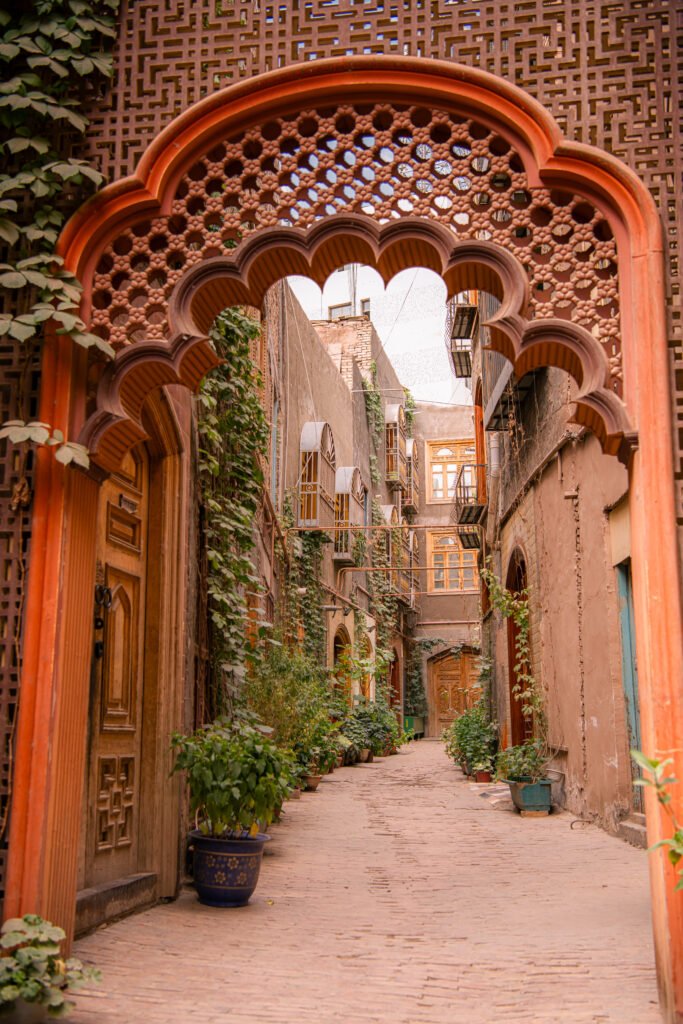
Bread as Cultural Cornerstone: The Many Faces of Naan in Kashgar
Walking through Kashgar’s alleys at dawn, the smell of Uyghur bread from communal ovens draws you in. These Xinjiang naan varieties are more than food—they carry history. They are shaped by hands that have kneaded dough for generations. The journey through Kashgar’s bakeries shows how bread connects communities, like pasta does in Italy.
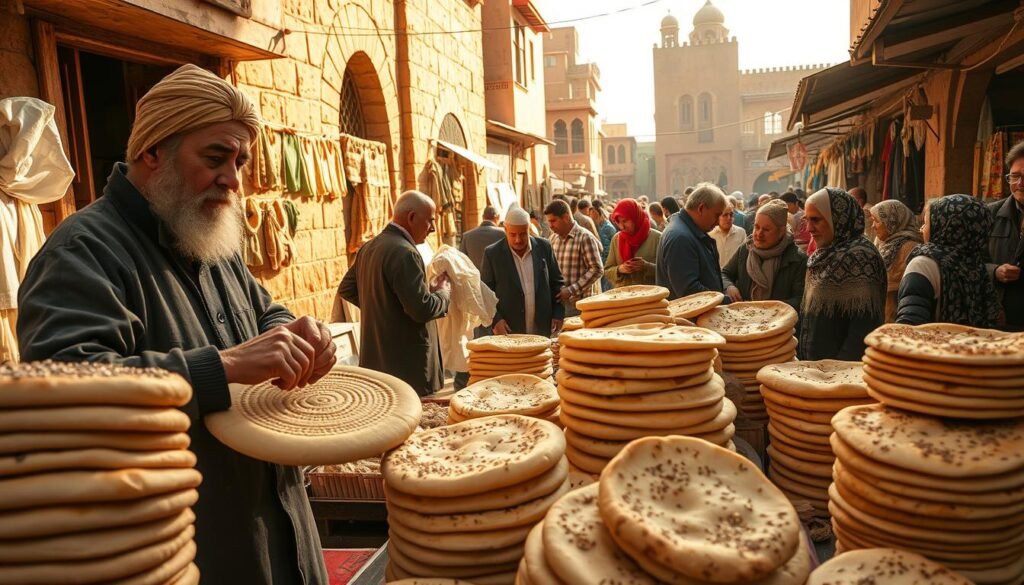
The Architecture of Uyghur Bread Ovens
In every neighborhood, Kashgar bakeries have tonur ovens. These clay domes use fire and steam perfectly. You will see bakers slap dough on the hot walls, their actions like a dance.
These ovens, unchanged for thousands of years, turn flour and water into Uyghur bread. The bread has a crackling crust.
From Girde Nan to Qatlama: Bread Varieties That Define Daily Life
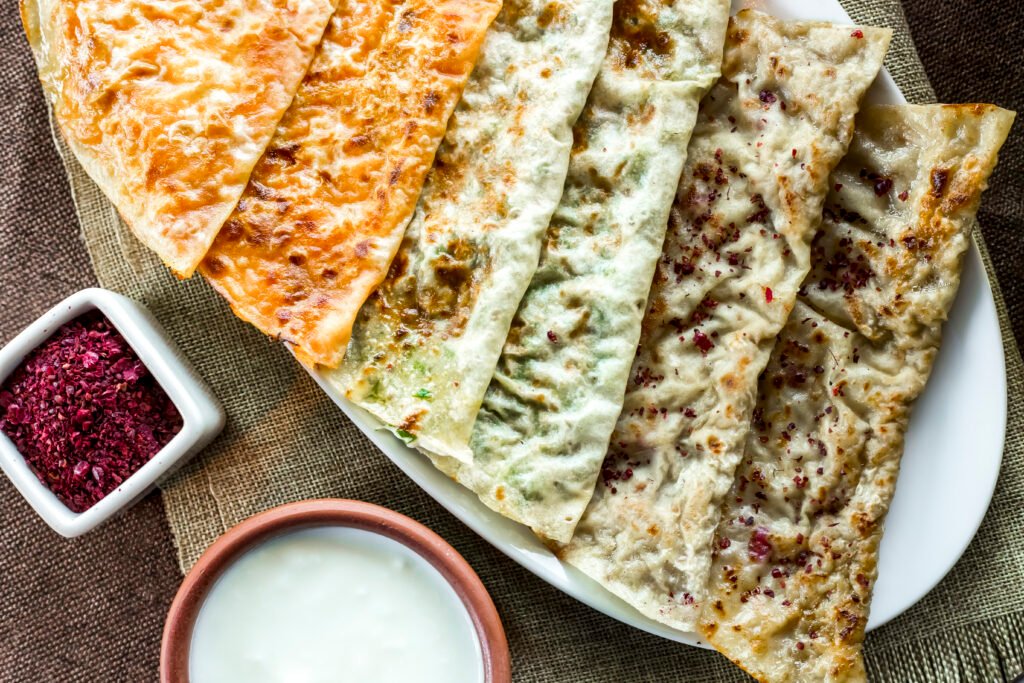
- Girde nan: The flat, stamped rounds with patterns, a staple at every meal.
- Qatlama: Layered like pastry, this flaky treasure emerges golden and fragrant from the oven’s heat.
- Kemech: Small, tea-accompanied loaves that travelers clutch like talismans against hunger.
Bread Rituals and Social Significance
A local whispers,
“Breaking bread first, then speaking words.”
In family gatherings, elders breakUyghur bread into pieces. They offer the biggest piece to guests—a silent sign of respect. Even a torn crust is a sign of trust.
Every crumb tells a story of resilience, passed down through generations. In Kashgar, bread is both a source of warmth and a symbol of heritage.
From oven to table, Kashgar’s breads are more than food. They are living stories of a culture that turns dough into dialogue.
The Communal Spirit of Polo (Pilaf): How One Dish Unites Communities
In a sun-drenched courtyard in Kashgar, a community gathered around a roaring fire pit. The star was Xinjiang polo rice, a dish with a story in every grain. Master cooks layered golden basmati rice, crimson carrot threads, and golden raisins into a massive iron qazan.
Their hands moved with the precision of generations. The sizzle of caramelizing onions and the nutty toast of cumin filled the air. This scent drew neighbors and strangers alike.
Central Asian rice dishes like this aren’t just meals—they’re acts of unity. As the pot simmered, elders recounted family recipes while children passed clay bowls. When the lid lifted, steam billowed like a promise.
Revealing rice grains glistening with lamb fat. A host gestured to my plate: “Take the fatty pieces first!” they insisted, a sign of respect in Uyghur culture. The technique of layering ingredients mirrored Kashgar’s history itself.
Strangers became kin over shared Uyghur pilaf. No one kept score of servings; the pot never emptied.
This ritual—repeated daily in family homes and festivals—binds Xinjiang’s people through taste and tradition. Each bite of that aromatic rice carried centuries of trade routes. It reminded us that food is the ultimate diplomat.
Meaty Matters: The Carnivore’s Guide to Xinjiang Uyghur Autonomous Region
In Kashgar’s bazaars, discovered the region’s famous Uyghur meat dishes. The Xinjiang lamb skewers are a must-try. They are golden, cumin-scented, and melt in your mouth.
Vendors like Abduqadir near Id Kah Mosque share their secret. They use a mix of fat and lean meat, cut by hand. They grill it over grapevine wood. “The charcoal’s the secret,” another vendor shares, as he watched the flames.
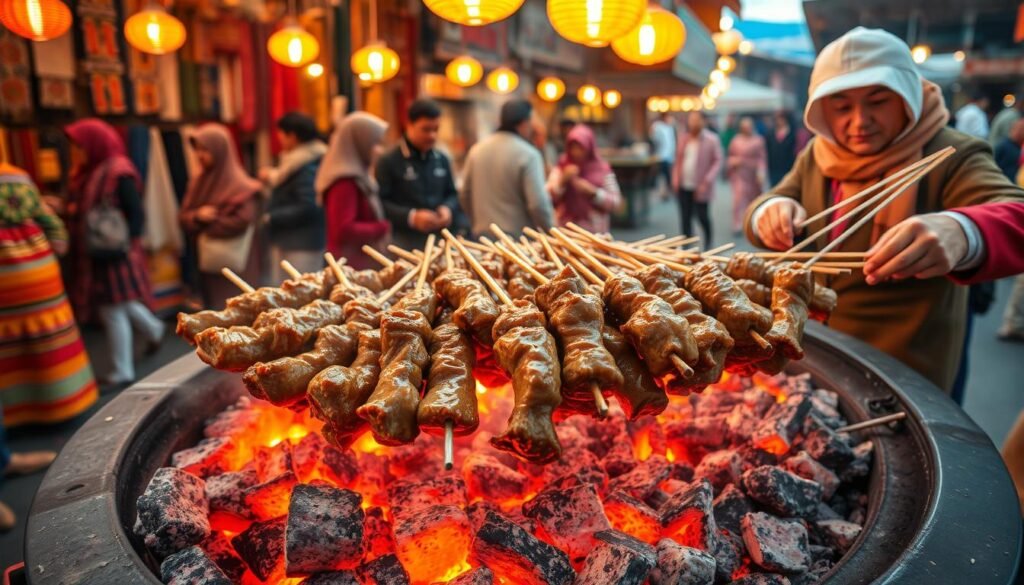
Kawaplar: The Perfect Lamb Skewers
The best Xinjiang lamb skewers can be found them in hidden alleyways. At kebab stands, you will learn about grapevine embers. Vendors like Nigara marinate meat for 12 hours, showing patience is key.
Samsa: Central Asia in a Hand Pie
- Lamb-and-onion samsa with crispy golden crusts
- Pumpkin-stuffed pastries dusted with cumin
- Chicken-scallion variations in flaky dough
These savory pockets, baked in tandir ovens, show the region’s nomadic roots. Artisans like Zulfiya make perfect half-moons. They fill them with ingredients passed down through generations.
The Controversial World of Horse Meat Specialties
Horse meat dishes like kawaplar are a topic of interest abroad. But locals see them as part of their heritage. Silk Road traders who used horse meat and brought this delicacy to Uyghur. If you would prefer, you may try vegetarian options like pirozhki breads, respecting both traditions and personal taste.
Sweet Endings: Desserts That Reveal Persian and Turkish Influences
In Kashgar’s old town, afternoons are filled with elders and Uyghur desserts. They shared cardamom-scented tea and desserts. These sweets, with their long history, were like poetry in your mouth.
Künzüt halva, made with sesame and walnuts, is unique. It tastes different from Turkish sweets. This is because Xinjiang’s dry soil gives it a special flavor.
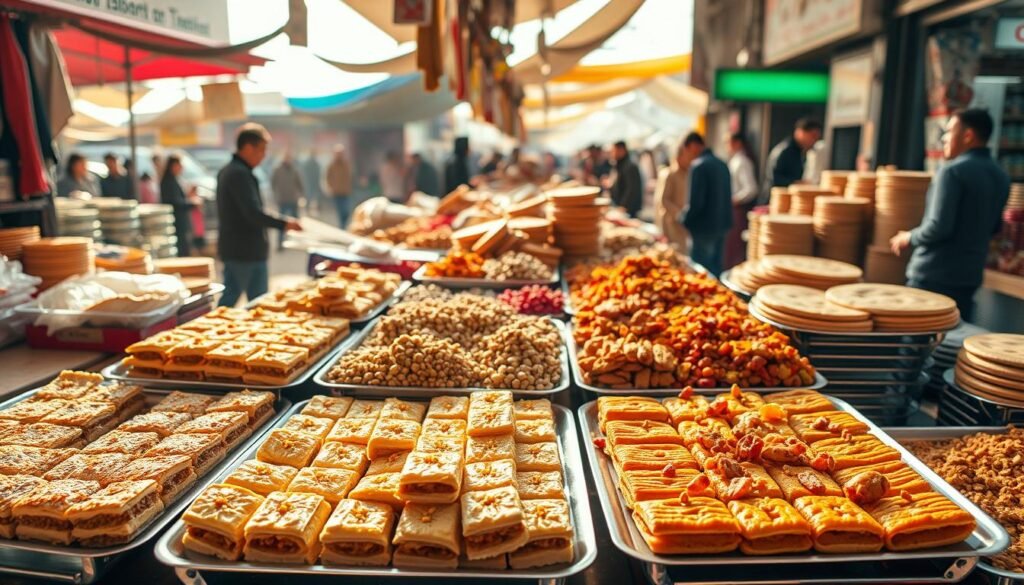
“Sugar is a guest; it must never overshadow the story,” said one baker. He was making sangza, honey-drenched pastries for weddings. These pastries are full of history and sweetness.
Seasonal sweets in Xinjiang change with the seasons. Spring brings chak-chak, fried dough threads with butter and pistachios. Autumn has somsa pastries filled with apricots.
In summer, women make mulberry compote in clay pots. They follow methods passed down through generations.
- Kawaplar skewers give way to qumrdaq, a spiced milk pudding simmered in clay pots
- Saffron threads weave through rosewater-scented sherbet served in tiny porcelain cups
- Winter markets burst with kolakashi, date-stuffed flatbreads wrapped in fig leaves
These desserts are more than just food. They tell stories of the past. A bite of qatlama, with its honey, reminds us of the caravans that once passed through.
For travelers, the best sweets are found in family kitchens. Ask for a “shirinlik” tour. Locals will show you how to make midnight snacks from dried mulberries. Or how samsa pastries hold secrets of the past. Let your journey end where the Silk Road’s flavors are alive.
Culinary Tour of Kashgar (Xinjiang Uyghur Autonomous Region): Practical Tips for Food Adventurers
Going on a Kashgar food tour is like starting a journey where every meal has a story. You will learn a lot from your trip to Xinjiang.
First, think about your dietary needs. Kashgar follows Halal rules, but you can find plenty of vegetarian dishes like sagöyni (spinach stew). For gluten-free options, ask for “gluten-free lüg’at” (in Uyghur). The Epicurean Escape guides were super helpful in ordering vegetarian dishes with phrases like “sagolma”.
- Seasonal Timing: Summer brings fresh apricot-filled somsa pastries. Winter is for rich kawap skewers. Ramadan is special for moon-shaped naan baked in tandoor ovens.
- Etiquette essentials: Always wash your hands before eating. Don’t eat with your left hand. Accepting food with both hands is polite. If you can’t eat more, say “ko’ramas” (enough, thank you) gently.
“Hospitality here is a science,” said a vendor in the Sunday Bazaar. “Refusing food three times is polite, but never once.”
For real flavors, try polu rice dishes in Taer Grand Mosque district. Budget travelers will love manti stalls near Id Kah Mosque. For a special treat, try a laghman feast at Abba’s Kitchen. Remember, arrive early for communal meals and always say “rakhmat” (thank you) to your hosts.
Conclusion: What Kashgar’s Kitchens Teach Us About Cultural Resilience
In Kashgar’s kitchens, cooking is more than just food—it’s a way to keep traditions alive. They are found in Xinjiang’s food traditions and how they show the Uyghur culture. Each dish tells a story, from ancient spice routes to local bread ovens.
Seeing an elder make dough into patterns showed me traditions are passed through touch and time. The Sunday bazaar was full of life, with roasted nuts, fermented milk, and hand pies. It shows that even with change, traditions can stay true to their roots.
Food in Kashgar is like a language. It teaches us that resilience is about embracing change while staying true to ourselves. Leaving Kashgar, the smell of naan stayed with me, reminding me of the living heritage.
An experience in Kashgar changes how you see food travel. To taste Kashgar is to see a living history of survival.