
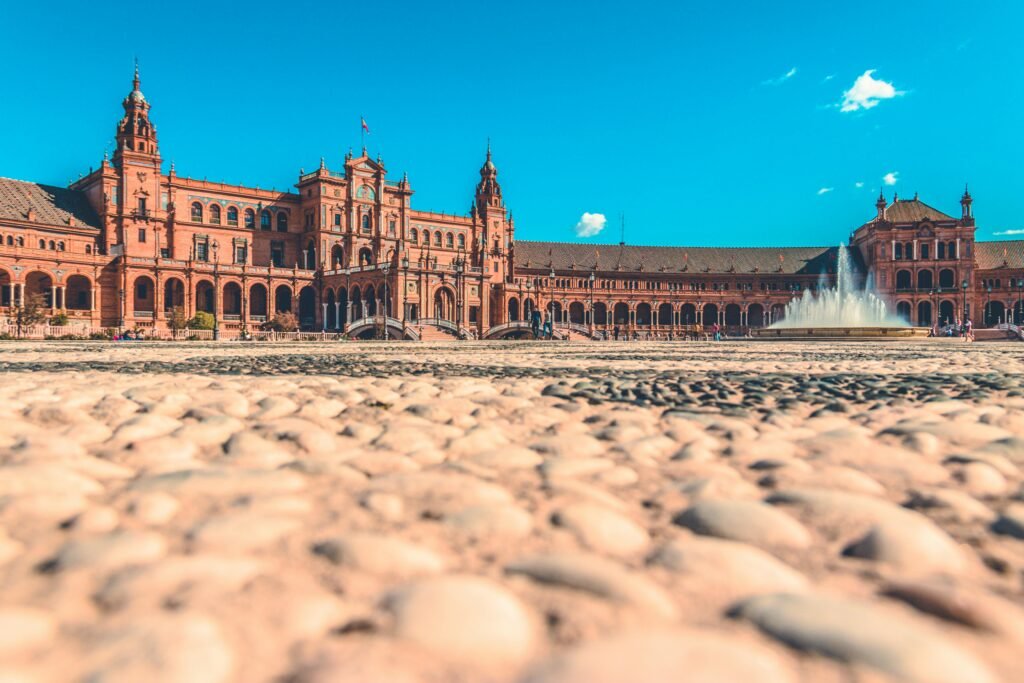
A scenic view of Plaza de España in Seville, Spain, featuring the iconic fountain and unique architecture under a clear blue sky.
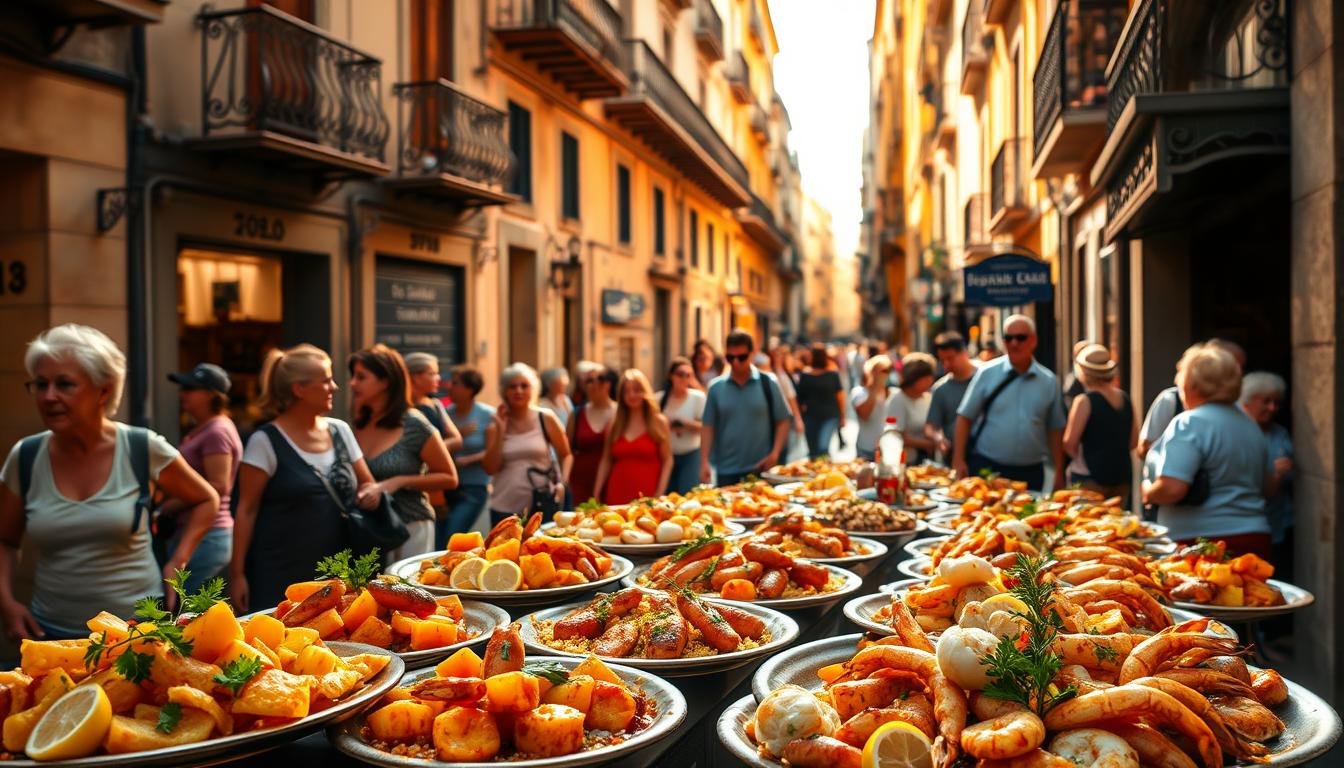
Walking through Seville’s sunlit streets, you catch the scent of saffron and citrus. It’s like a welcome to the city’s food world. Start your adventure with a glass of orange wine, its taste as vibrant as the city.
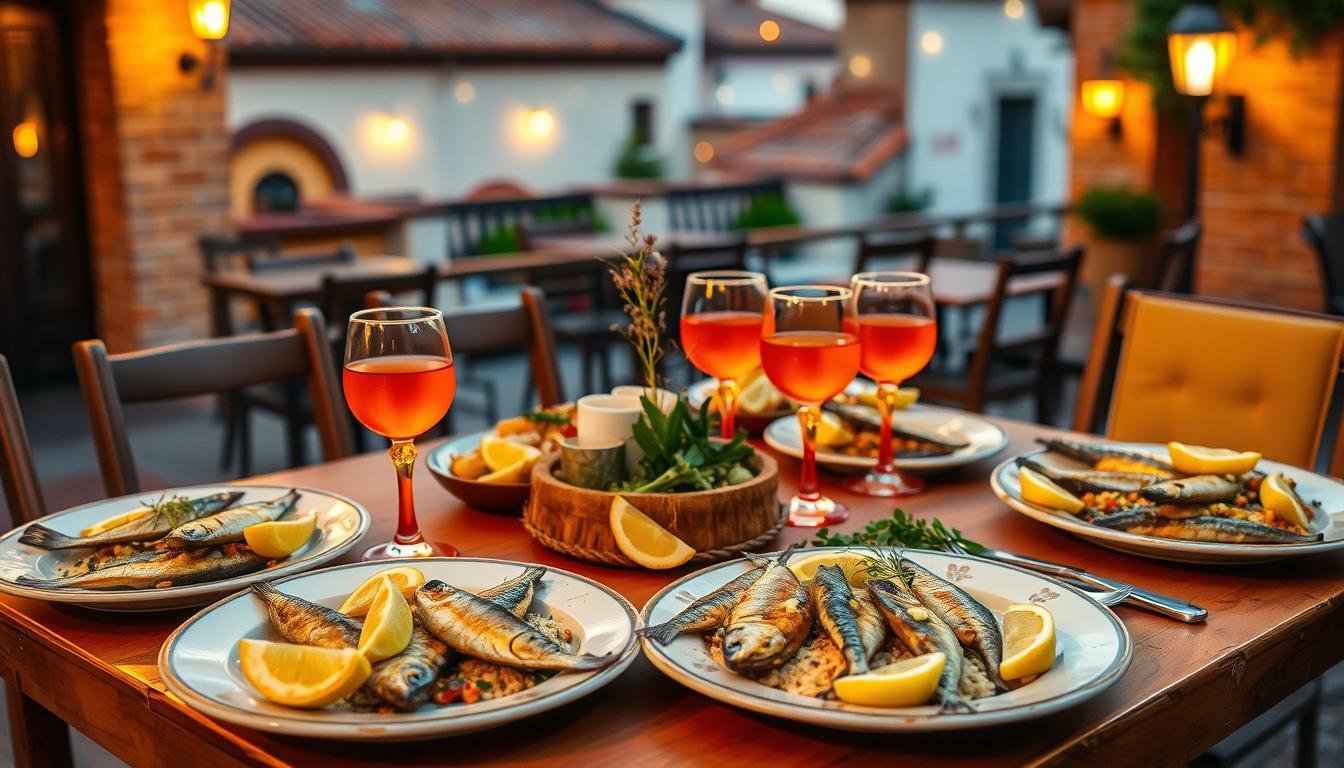
Every bite of pescaíto frito at a riverside tabanco shows you Andalusian cuisine’s, a mix of old and new. This culinary tour of Seville Spain is more than food. It’s about the stories told through olive oil, sherry vinegar, and old recipes.
Seville’s food scene is a mix of light and earth. From markets full of blood oranges to tapas bars with Salmorejo, every moment is like finding a new verse in Spain’s food story. The city’s Spanish gastronomy is all about contrasts—like crispy fried fish with fresh lemon, or the smoky taste of Pedro Ximénez dessert wine.
These flavors are more than just ingredients. They’re part of Andalusian culture’s fabric.
Key Takeaways
- Seville’s culinary identity blends Moorish, Jewish, and Spanish traditions into its Andalusian cuisine.
- Orange wine and fried fish symbolize the city’s love for bold flavors and artisanal techniques.
- Exploring local markets and family-run taverns offers deeper insights than guided tours alone.
- Seasonal ingredients like prawns from Huelva or salazones (cured fish) define the region’s pantry.
- Pairing dishes with Seville’s history—from Roman ruins to flamenco venues—enhances every bite.
Your First Encounter with Seville’s Vibrant Food Scene
As you taste jamón ibérico with sherry in a secret culinary gem you get to experience Seville’s heart. The city’s tastes hugs you warmly—sharp, earthy, full of life. In the buzz of vendors and clinking glasses, you’ll realise that Sevillian food is more than eating—it’s living.
The Moment To Fall in Love with Spanish Tapas in Seville
A cozy tavern causes you to fall in love with Spanish tapas in Seville. A server brings you boquerones—anchovies marinated in garlic and lemon. Each bite teaches that simplicity can be art. The local wine’s tanginess balance the fish’s salt, showing that even small dishes can tell big stories. It is then that you understand tapas isn’t just food—it’s a way to connect with others.
Navigating the Bustling Mercado de Triana
At Mercado de Triana, the air buzzes with frying squid and fresh sardines. Vendors called out: “Fresh catch!” “Try my aceitunas!” explore aisles where jamón legs are proudly displayed. Locals can show you how to check a cheese’s ripeness by pressing it—“Feel the give,” a vendor said. These markets are more than just stalls; they’re places where the city’s history is in every olive oil drizzle.
How Seville Changes Your Culinary Perspective
Before this trip, you describe food as just fuel. Now, see it as a way to connect. The bright colors of a salmorejo bowl and the lively tomato haggling shows you what’s real. Seville’s food is more than taste; it’s a language of olives, aceite, and old traditions. Every bite is a conversation with history, promising new discoveries with each taste.
Orange Wine: Seville’s Liquid Gold
Your first sip of vino de naranja in a hidden bodega is like finding a secret. Unlike other wines, orange wine in Seville is made with patience. The Andalusian orange wine you try in Triana’s oldest cellar is made with Seville oranges and fortified wine for months.
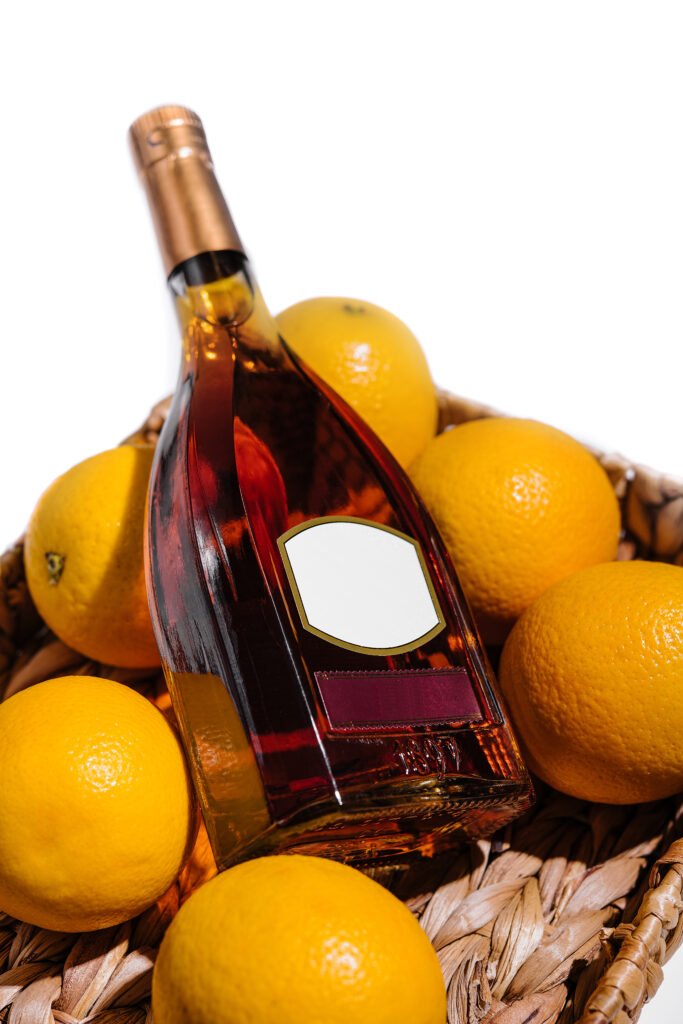
The result was a golden drink with citrus, caramel, and cinnamon. It’s a taste of sunshine.
The making of this wine is like magic. Ripe oranges from Huelva meet Pedro Ximénez grapes in oak casks. When you drink it, you’ll feel the lemony taste and the sweetness.
Locals say it’s like liquid sunshine. Ana, a producer in Triana, said, “It’s not just wine—it’s the taste of our land.”
Trying this Spanish fortified wine with fried fish is a game-changer. At Bar La Ermita, the tangy wine balanced the salty fish. For travelers, visit bodegas like Bodega La Macarena or Casa Mira for a taste of this treasure.
The Art of Perfectly Fried Fish in Andalusia
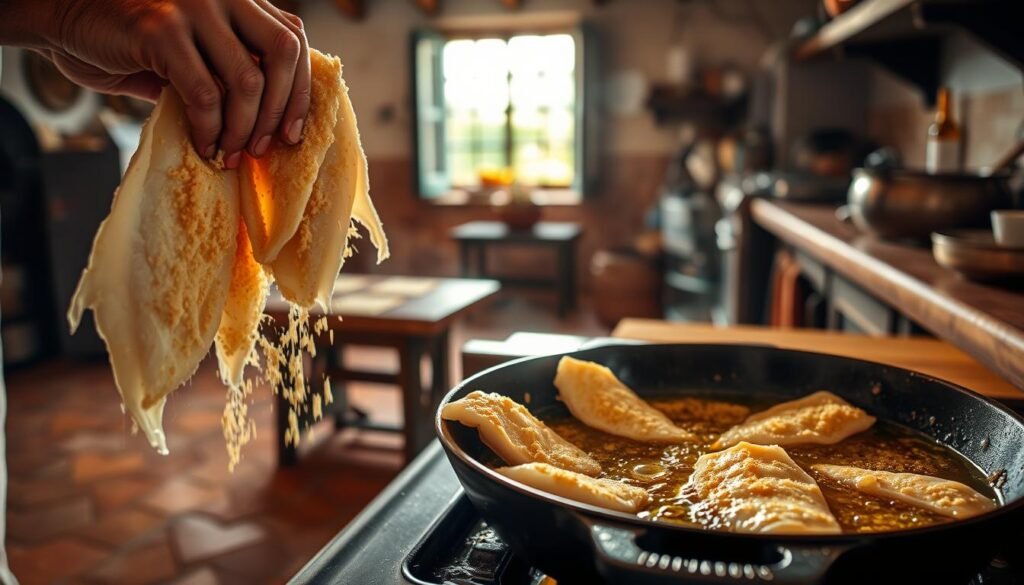
Walking through Seville’s La Macarena market,you’ll discover that pescaíto frito is more than food—it’s a tradition. The sound of golden batter hitting olive oil, the crunchy Andalusian fried fish straight from the fryer… These moments show Seville’s heart. This dish started as a quick meal for fishermen, now it’s a celebrated art in tapas bars.
Pescaíto Frito: A Sevillian Tradition
Every Sunday, families meet at places like Casa Manteca to enjoy traditional Spanish seafood. They have tiny squid, tiny hake, and baby octopus, all floured and fried perfectly. The secret? The fish is so fresh, it comes from Cádiz every day, making each bite full of sea flavor.
“The fish must dance in the oil, not drown,” said Don Carlos, a third-generation fryer at La Campana, as he shows how to toss batter like a painter.
The Secret Behind That Perfect Crispy Texture
The magic is in the method: a mix of chickpea and wheat flour; oil heated to 350°F (175°C); and a quick 90-second fry. Fry it too long, and the fish gets tough. Fry it too short, and the batter isn’t crunchy. Add a squeeze of local Seville orange and sharp vermouth for a perfect balance of salt and citrus.
Where Locals Go for the Best Fried Fish in Seville
Locals trust these three places:
- Casa Manteca: A 1930s spot near the Guadalquivir River, known for its pescaíto frito served on newspaper
- La Campana: Family-run for 70 years, their tiny prawns are famous
- El Rinconcito del Pescador: A hidden spot in Triana where the best fried fish in Seville is served with sherry vinegar sauces
| Spot | Signature Item | Tip |
|---|---|---|
| Casa Manteca | Whitebait with lemon zest | Arrive early to avoid lines |
| La Campana | Crab legs in tempura batter | Request a seat at the marble counter |
| El Rinconcito del Pescador | Octopus rings with chili salt | Ask for the house-made garlic mayonnaise |
Beyond the Expected: Surprising Flavors of Sevillian Cuisine
Seville’s food scene is full of surprises. It’s where history meets new flavors. Let’s explore the Sevillian cuisine specialties that will make your taste buds dance.
Salmorejo: The Underrated Cousin of Gazpacho
Salmorejo is a unique dish from Seville. It’s a thick tomato soup, unlike gazpacho. Topped with olive oil and a cracked egg, it’s a summer treat.
“It’s not just a soup—it’s a rebellion against simplicity,” a local chef once said.
“The best salmorejo feels like liquid gold, even on the hottest days.”
Espinacas con Garbanzos: A Moorish Legacy
This stew is a taste of history. It’s made with yellow split peas, spinach, saffron, and cumin. Espinacas con garbanzos brings the flavors of Andalusia’s Arab past to your plate.
It’s a dish that takes time, just like the culture that created it.
Sweet Sensations: The Convents’ Hidden Treasures
Monasteries in Seville are home to amazing desserts. Tocino de cielo and pestiños are just a few. These convent desserts are sold through turnstiles, keeping their tradition alive.
| Dessert | Description | Tradition |
|---|---|---|
| Yema | Sweet egg yolk-based candies | Monastic kitchens for over 300 years |
| Tocino de Cielo | Creamy custard without pastry | Symbol of religious fasting creativity |
| Pestiños | Honey-glazed fried dough puffs | Secret recipes passed through generations |
These dishes are more than food. They’re a way to experience Seville’s soul. Let your taste buds explore the unknown.
A Complete Culinary Tour of Seville Spain: My 3-Day Itinerary
Planning a culinary tour of Seville Spain means finding the right mix of old and new. This food itinerary Seville shows the top spots for food lovers. It combines history with delicious tastes. Here’s a 3-day food tour that follows the local beat.
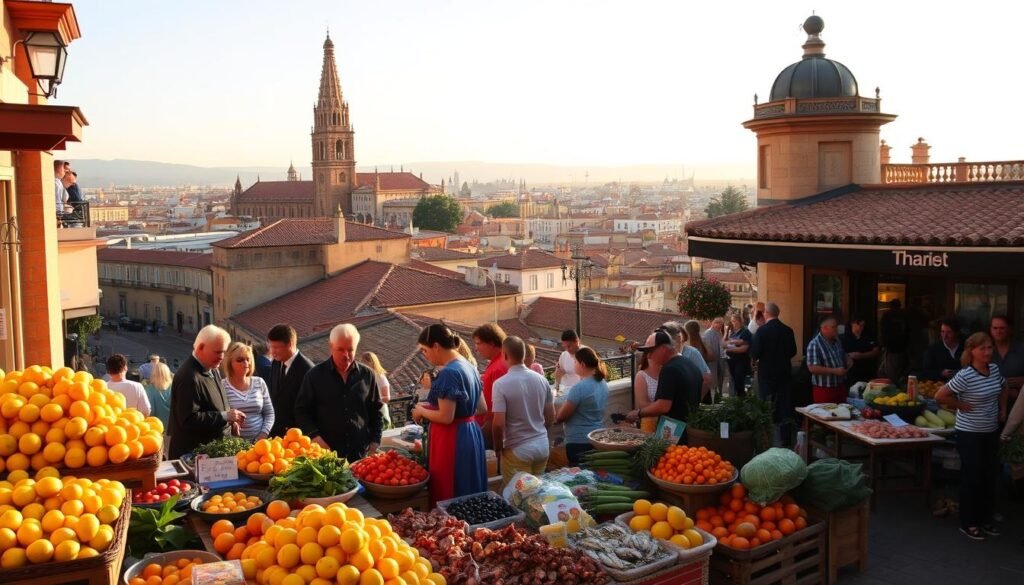
- Day 1: Market to Table
Begin at Mercado de Triana early to smell the blood oranges and cured ham. Lunch at El Rinconcito de la Abuela for salmorejo with olive oil. Finish with tapas at Bodeguita La Trini, where fried calamari meets sherry. - Day 2: Sea and Soul
Eat pescaíto frito at Casa Manteca for lunch, a 19th-century favorite. Take a siesta, then explore Santa Cruz for sangria. Dinner at Casa Monteseñor for jamón ibérico and Manzanilla sherry. - Day 3: Sweet Secrets
Start with churros and chocolate at Churrería San Ginés. Don’t forget convent desserts like torrijas and pestiños from Convento de Santa Clara. End with a caña at El Bodegón de la Macarena.
Follow this 3-day food tour to taste Seville’s heart. Each bite tells a story of its Moorish, Jewish, and Andalusian roots. Let your senses lead you; Seville’s flavors speak louder than words.
From Breakfast to Late-Night Bites: Eating Like a Sevillian
Learning Seville’s Seville eating schedule is like mastering a new dance. It is slow, rhythmic, and very satisfying. Locals enjoy meals as if time was a special ingredient.
Start your mornings with churros in Seville and hot chocolate. At Chocolatería San Ginés, the churros are perfect. It is more than breakfast; it is a lesson in enjoying the moment.
Morning Rituals: Coffee and Churros
Churros, with their crispy yet soft edges, mark every visitor’s first taste of Spanish treats. The café is full of people, from tourists to grandmothers. Everyone enjoys the moment, as a vendor said, “Spanish meal times don’t rush joy.”
The Sacred Afternoon Siesta and Post-Siesta Snacks
Afternoons are quiet, with shops closed and streets empty. The siesta is a sign of respect for the sun. Later, bakeries opened, serving treats like mantecados and bocadillos.
A local once shared, “Hunger waits for shade, not clocks.”
Dinner at 10 PM: Embracing the Spanish Schedule
At 9:30 PM, the plazas are alive. Restaurants, like theaters, serve dishes like paella. Late-night dining Seville is about sharing stories with strangers at midnight.
Adapting to Seville’s pace meas losing track of time. But you’ll gain a deeper understanding of its soul.
Hidden Gems: Off-the-Beaten-Path Eateries Worth Finding
Exploring Seville’s winding streets, discover the hidden restaurants in Seville where real flavors shine. A non-touristy restaurants Seville owner shows you secret food spots locals love. These local eateries Seville feel like stepping into a fairy tale.
Begin your adventure in a bright alley where Casa Pepe fills the air with griddle sizzles. Their montaditos—smoked paprika shrimp on crisp bread—are made with a four-generation-old recipe. Close by, La Taberna de la Callejuela offers salmorejo made with estate tomatoes, perfected over years. These spots are known by locals, not by signs.
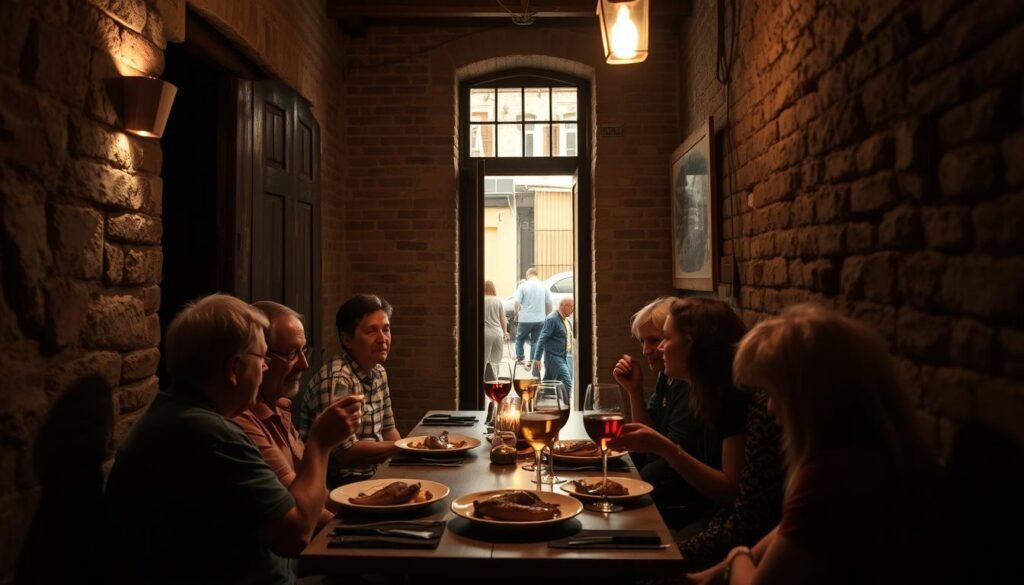
Exploring these gems takes curiosity. Follow the smell of roasted almonds to Cocina de Abuela, where nonna Lucia makes torrijas (cinnamon-drenched bread pudding) in her 18th-century kitchen. Their recipes, unchanged for 100 years, capture Seville’s heart. Here are three must-visit spots:
| Spot | Neighborhood | Signature Dish | Story |
|---|---|---|---|
| Casa Pepe | Triana | Montaditos con gambas | Family-run for 65 years |
| La Taberna de la Callejuela | San Lorenzo | Salmorejo al horno | Secret cellar wine pairings |
| Cocina de Abuela | El Arenal | Torrijas de romero | Operated by the same family for 100 years |
Visiting these places is like making a deal with history. For personalized tips or guided tours, contact us at Epicurean-escape’s culinary guides. These eateries are more than food—they’re a chat with Seville’s past and present.
Pairing Foods with Experiences: Where to Eat After Sightseeing
Seville’s magic grows when meals become part of its stories. After exploring the Alcázar or the Cathedral, these spots make memories last. They turn post-sightseeing moments into cherished ones.
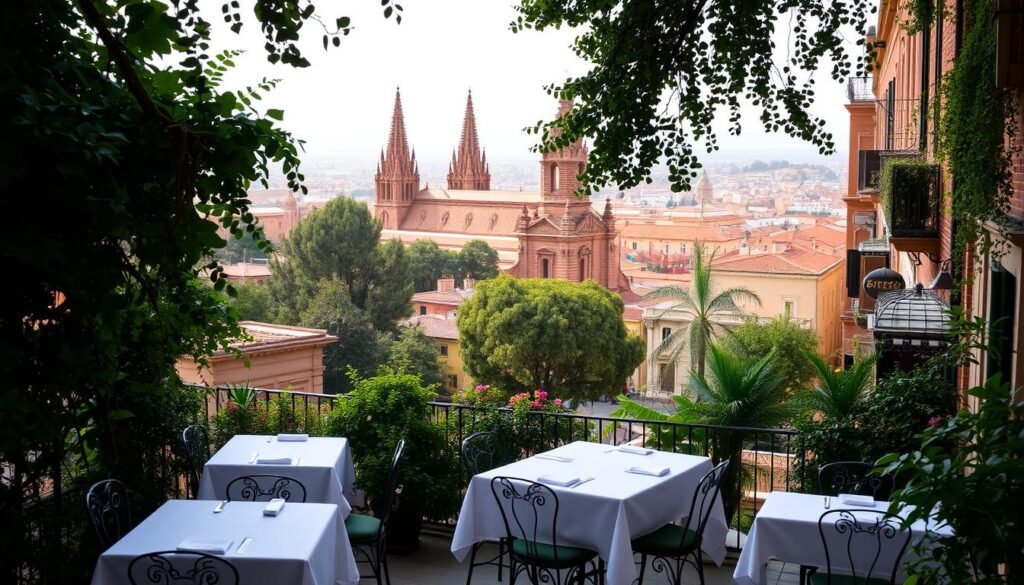
Post-Alcázar Refreshments: Where to Cool Down
Leaving the Alcázar’s heat, restaurants near Alcázar offer a break. At Casa Montenegro, a shaded terrace cools you with citrus-scented air. Try chilled fino sherry and almond ice cream, flavors that match the palace’s carvings.
A short walk from the gardens, this spot feels like a secret shared. It’s a special moment for explorer and city.
Dining with a View of the Cathedral
La Tana, a cathedral view restaurants Seville gem, frames the Giralda’s silhouette. Their tomato-saffron soup and grilled octopus pair with the cathedral’s sunset glow. Book early—the terrace seats fill fast as the horizon turns gold.
Best Spots After Flamenco Shows
After a flamenco’s fiery rhythms, Taberna El Rincón de la Guitarra stays in the night. Their post-flamenco dining menu has prawn croquettes and Pedro Ximénez wine, echoing the show’s passion. The dim lighting and live guitar strums keep the evening’s magic alive.
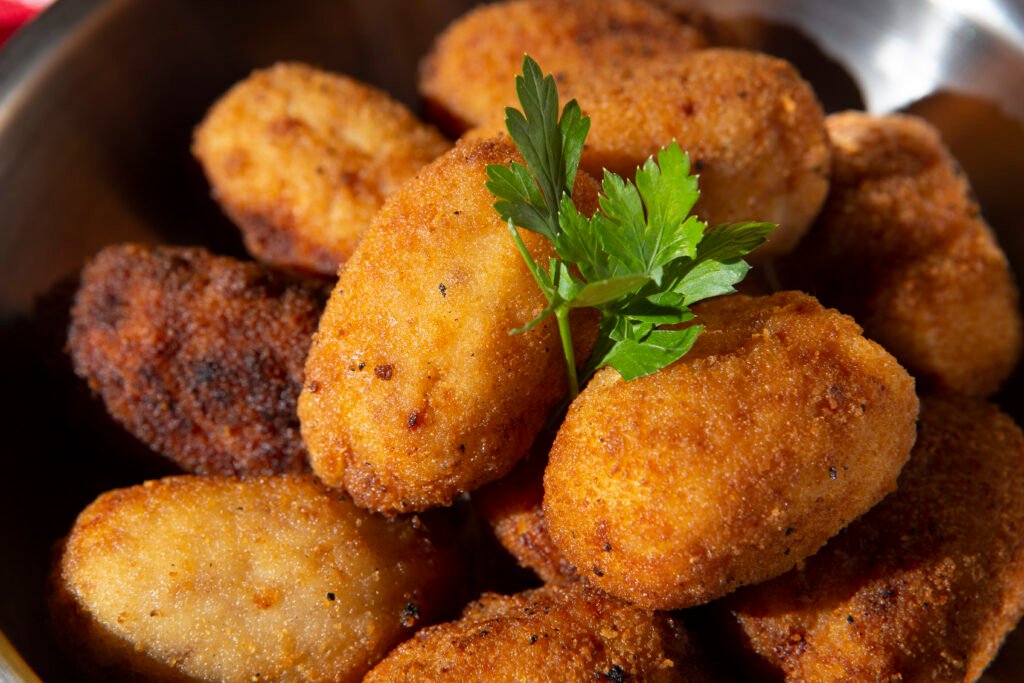
Delicious fried croquette arrangement
Ask for a table by the window—Seville’s streets hum with life below.
How to Navigate Dietary Restrictions in Meat-Loving Seville
When you ask for “sin carne” in a Seville bodega,you’ll find fried squid. But today, chefs are changing the game with vegetarian food in Seville. You must learn that being patient and prepared can reveal hidden treasures, even in traditional places.
Vegetarian Options in Traditional Tapas Bars
Begin at places like La Carbonería. They offer berenjenas a la andaluza and boquerones alongside meat-free dishes. For vegan-friendly Seville, ask for “sin huevo” to enjoy dishes like huevos rotos without eggs. El Rinconcito de Doña Francisca is great for chickpea-based” tapas.
Communicating Food Allergies in Spanish
| Phrase | Translation |
|---|---|
| Soy alérgico a… | I’m allergic to… |
| No contiene… | Doesn’t contain… |
| ¿Puedo evitar…? | Can I avoid…? |
Carry a card with food allergies Spanish phrases and common allergens in both languages. At La Cevichería or Casa Mantecados, servers will appreciate your clear requests.
Modern Seville: The Rise of Accommodating Restaurants
New spots like Cocina Invisible and La Semilla Vegana show that dietary restrictions Spain don’t limit fun. They mix modern techniques with local flavors, serving dishes like chickpea-based “tortilla” with pimentón. Even old tabernas now highlight vegetarian options.
Seville’s food scene is evolving while keeping its essence. With curiosity and the right phrases, everyone can enjoy its flavors, whether avoiding allergens or looking for vegan-friendly Seville treats.
Conclusion: Savoring the Soul of Seville Through Its Food
Seville’s food memories stay with you long after you leave. The city’s cuisine is a mix of old and new, with every dish telling a story. Walking through Triana or enjoying salmorejo under orange blossoms shows the city’s soul.
It’s a blend of Moorish spices, Andalusian sun, and the joy of sharing food. The taste of fried fish from a zesty paella or aged sherry wines reflects the city’s rich history.
Seville’s food is more than just eating—it’s an adventure for your senses. The lively Mercado de Triana, secret convent desserts, and friendly locals all leave a mark. Seville’s food invites you to slow down and enjoy the city’s rhythm.
When you take a bite of tapas, you feel the city’s past and present come together. Your journey in Seville starts with that first delicious bite.