


The taste of fiery mapo tofu in Chengdu’s busy streets will change your view of Sichuan food. It’s not just about the heat. It’s a mix of flavors like numbing peppercorns and tangy broths. These flavors tell stories of a land shaped by mountains and rivers.
A Chengdu food tour is more than just eating. It’s about diving into the culture. The Sichuan cuisine experience blends old traditions with new twists. Think of ancient dishes like dan dan noodles updated in modern restaurants or family stalls where every bite feels like a connection to the past.
This is the authentic Chinese food journey that goes beyond what you find in takeout menus. It shows the depth and complexity of every spice and technique.
Key Takeaways
- Chengdu’s UNESCO recognition honors its 3,000-year culinary heritage.
- Iconic dishes like hotpot and mapo tofu reveal Sichuan’s mastery of balancing heat, numbness, and depth.
- Street markets like Kuanzhai Alley offer unfiltered access to local flavors and cooking traditions.
- Sichuan peppercorns create the signature “ma” (numbness) central to regional dishes.
- Communal dining traditions turn meals into shared stories, not just meals.

Chengdu, a UNESCO City of Gastronomy, invites you to enjoy its rich food culture. You’ll see steam rising from hotpots and hear the sound of chili oil in street woks.
The Fiery Soul of Sichuan: Chengdu’s Culinary Identity
Your first taste of Sichuan flavor profile in Chengdu will be eye-opening. The UNESCO City of Gastronomy title is more than a label. It shows how Chengdu food culture turns simple ingredients into masterpieces. Each dish is a story of strength and creativity, built over centuries.
The UNESCO City of Gastronomy Distinction
In 2010, UNESCO honored Chengdu’s food legacy as a global treasure. This recognition celebrates its famous dishes and dedication to preserving old cooking methods. Walking through markets, I saw how this shared love for food stories connects Chengdu with other food capitals.
How Geography Shaped Sichuan’s Unique Flavors
Chengdu’s geography is its secret chef. The humid Sichuan Basin needed pickling to preserve food. The fertile Min River plains grew rice for hua jiao (Sichuan peppercorn) cultivation. Mountains and rivers created special climates for ingredients like broad beans in dan dan noodles. This mix of land and food defines its unique taste.
- Humidity: Spicy dishes counteract damp air
- Fertile valleys: Rice and chili cultivation thrive
- Mountainous terrain: Preserves regional specialties
Beyond the Myth of “Just Spicy” Food
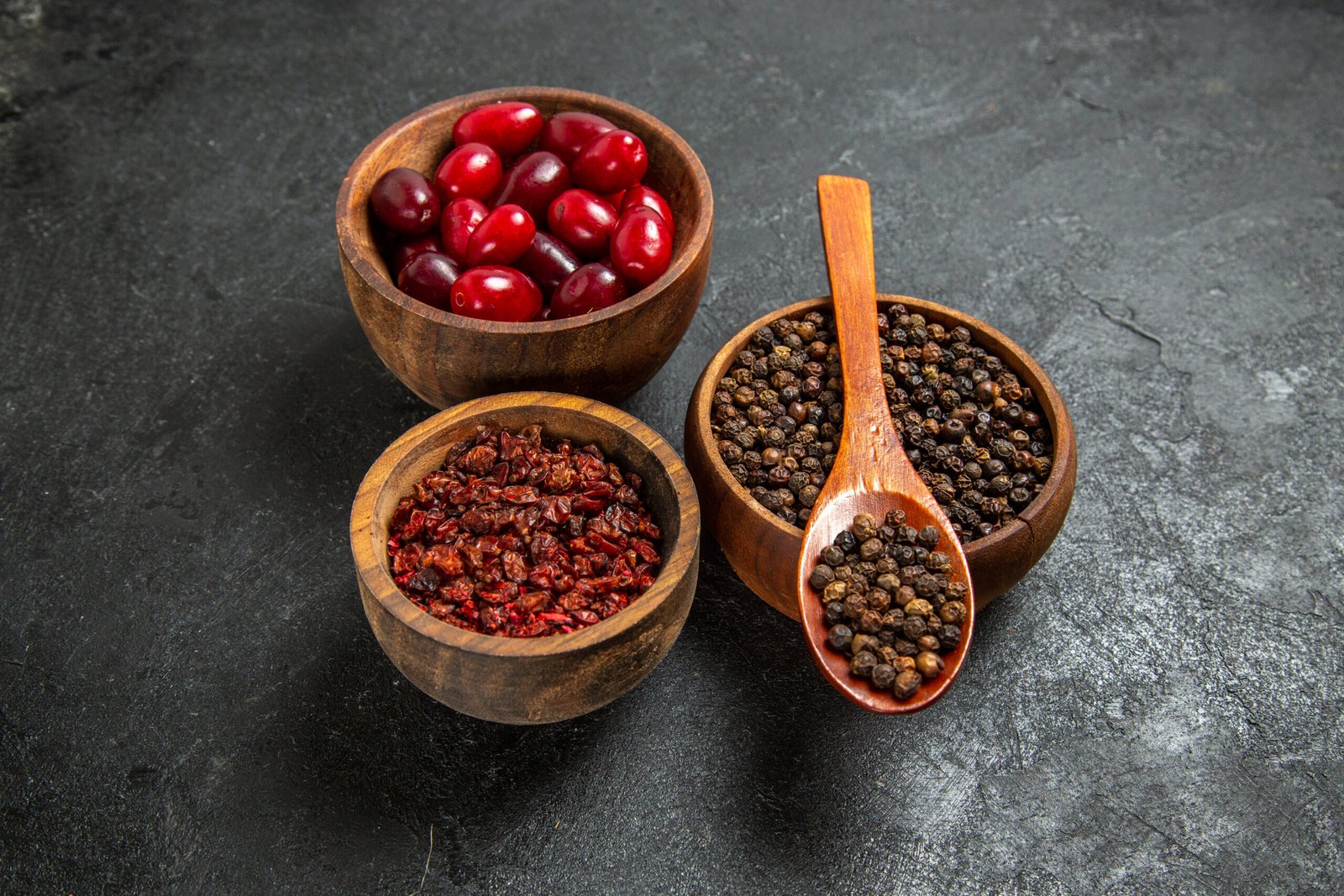
“Spiciness is just the start,” Chef Li Mei said at a family kitchen. A true Sichuan flavor profile mixes ma la (numbing heat) with tangy vinegar and savory soy. Think of kung pao chicken: peanuts and chili warmth meet fermented bean paste’s depth. Even hua jiao surprises with its unique tingle.
“We don’t just cook—we compose symphonies of flavors.”
| Flavor Layer | Key Element | Example Dish |
|---|---|---|
| Umami | Black mushrooms | Mapo tofu |
| Numbing | Sichuan peppercorns | Twice-cooked pork |
| Umami | Black mushrooms | Mapo tofu |
Chengdu’s food scene is a mix of history, landscape, and creativity. Tasting it is like experiencing time itself—a lesson I’ll remember beyond Sichuan’s hills.
Why a Culinary Tour to Chengdu (Sichuan Province) China Should Top Your Bucket List
Walking through Chengdu’s Kuanzhai Alley, you will be drawn to the tiny stalls. You will find Chengdu culinary tourism is more than just eating—it’s a journey into heritage. Sichuan food travel here is like finding treasure, where every dish shares a story of resilience and creativity.
Imagine sipping jasmine tea in a bamboo-shaded teahouse. Street vendors are selling biangbiang noodles, their flour-dusted hands spinning dough like silk. This is the heart of Chinese gastronomy, where tradition meets bold innovation.
“Here, food isn’t just fuel—it’s how we converse with history.”
This spirit is seen in both humble eateries and Michelin-starred kitchens. They revive ancient recipes with a modern twist.
Chengdu’s warmth welcomes visitors like a comforting pot of mapo tofu. It’s affordable without losing quality; a full feast costs less than a single meal in Paris. With Epicurean Escape’s curated itineraries, you can find hidden gems like family-run laoma dousi joints or the spice market. Every bite here is a conversation with 3,000 years of culinary history—no trip should miss this.
The Legendary Chengdu Hotpot Experience
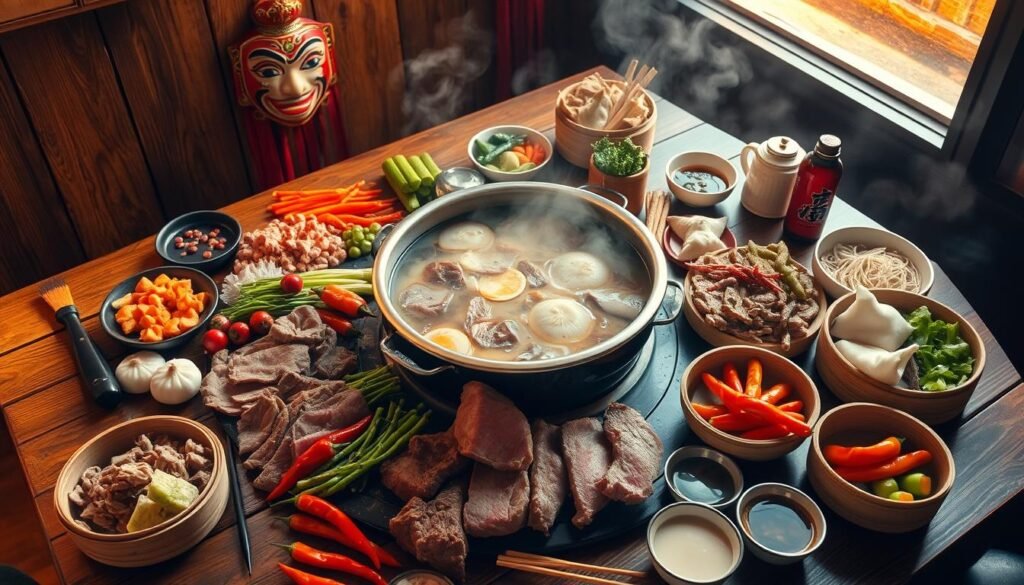
Authentic Chengdu hotpot is cooked on a crackling charcoal fire. The cauldron has two broths: a spicy red one and a mild white one. It was the perfect mix of tradition and choice. This isn’t just eating; it’s a journey of senses that goes back centuries.
Traditional vs. Modern Hotpot Variations
Family-run Sichuan hotpot restaurants like those in Jinli Alley use recipes passed down for centuries. On the other hand, modern places in the city offer broths made with science. Both share the same core: fire, spice, and joy.
The Ritual of Communal Hotpot Dining
Hotpot is like a show. People arrange their food like an art piece and use special sauces. A local chef once said,
“The pot isn’t just food—it’s where stories and laughter bubble together.”
It’s important to follow rules: serve others first and don’t stir the pot’s heart.
Top Three Recommendations for Hotpot Restaurants in Chengdu
| Restaurant | Signature | Why Go |
|---|---|---|
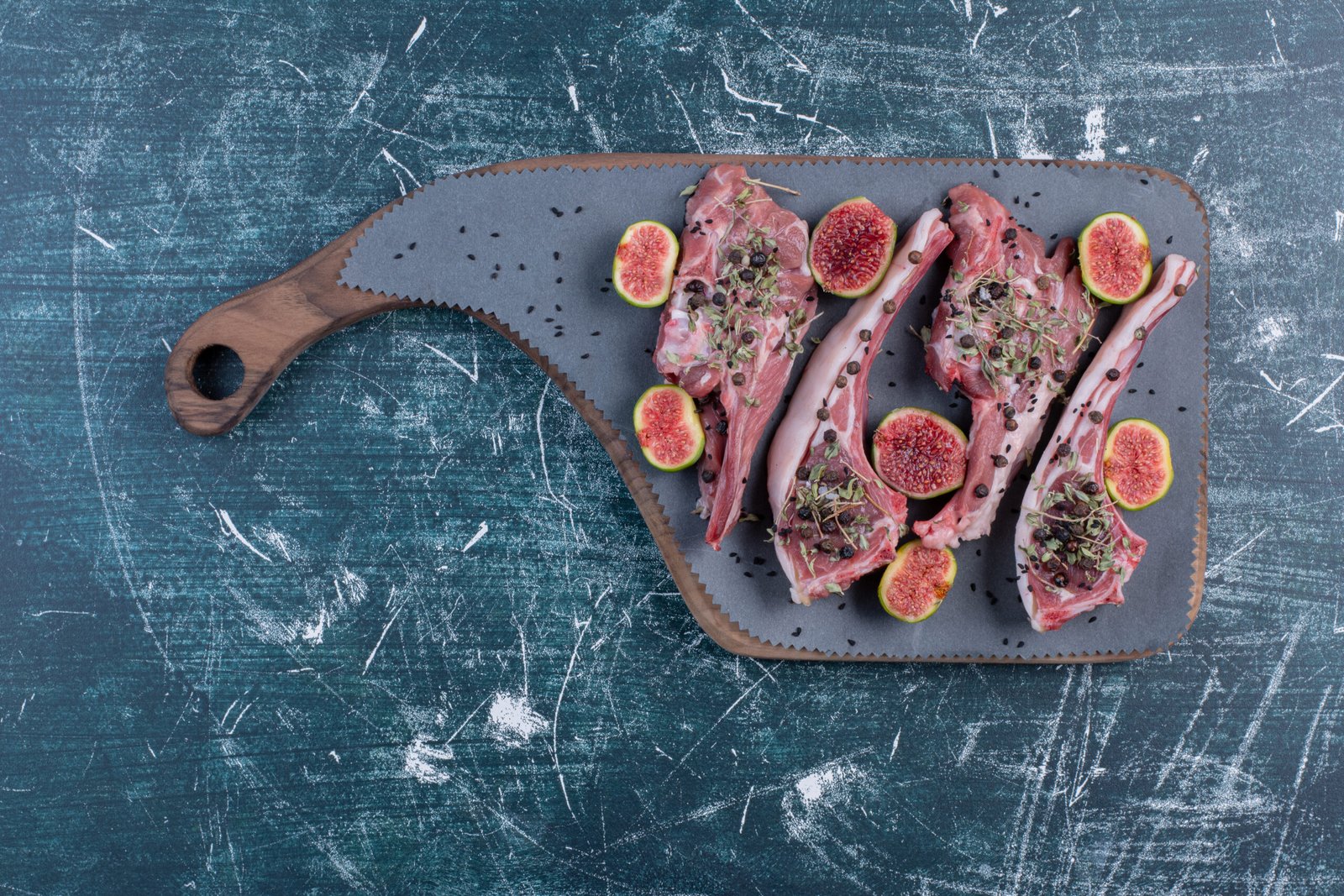
| Huayuan Hotpot | Handmade lamb slices, 70-year-old broth recipe | Authentic Chengdu hotpot at its purest |
| Chunxin Hotpot | Organic ingredients, bamboo charcoal pots | Modern sustainability meets tradition |
| Xiao Chongqing (Linyi Road) | Signature “double-boiled” duck blood cubes | Best hotpot in Sichuan for bold flavors |
Ready to explore? Let Epicurean Escape help plan your Chengdu hotpot trip. Check out our itineraries and make every bite a story.
Mapo Tofu: The Dish That Conquered the World
At the heart of Sichuan’s culinary legacy lies a dish that transcends borders: authentic Mapo Tofu. Born in the bustling streets of Chengdu, its story begins with a pockmarked widow named Chen Zhenchang. Her ingenuity transformed humble ingredients into a flavor revolution. Her traditional Sichuan recipes now echo through generations at
Walking into Chen Mapo Tofu, the air hums with chili smoke and toasted sesame oil. A server explains, “The secret lies in time—fermented doubanjiang aged for months, tofu hand-cut daily.” This authentic Mapo Tofu shimmers with velvety cubes swimming in a crimson broth. Each grain of Sichuan peppercorn releases a numbing tingle. Western versions often simplify the málà balance, but here, the heat dances with umami, never overwhelming.
At the counter, chefs layer flavors: first the chili paste sizzling in iron woks, then tofu submerged to absorb its essence. The traditional Sichuan recipes demand precision—no shortcuts. Forking into the dish, the contrast of silky tofu against peppercorn crunch feels like a revelation. This is more than food; it’s a sensory pilgrimage.
Chen Mapo Tofu restaurant isn’t just a dining spot—it’s a living archive. Every bite here is a testament to why this dish belongs to no single place yet belongs to the world.
Beyond the Icons: Hidden Gems of Sichuan Cuisine
Chengdu’s culinary soul is found in its hidden corners. Beyond the famous mapo tofu and hotpot, there’s a world of lesser-known Sichuan dishes. These dishes whisper of tradition.
Some authentic Chengdu specialties are the silky fuqi feipian on ice, the crispy guokui in a street stall, and the warm zhong dumplings in chili oil. These are the tastes locals cherish.
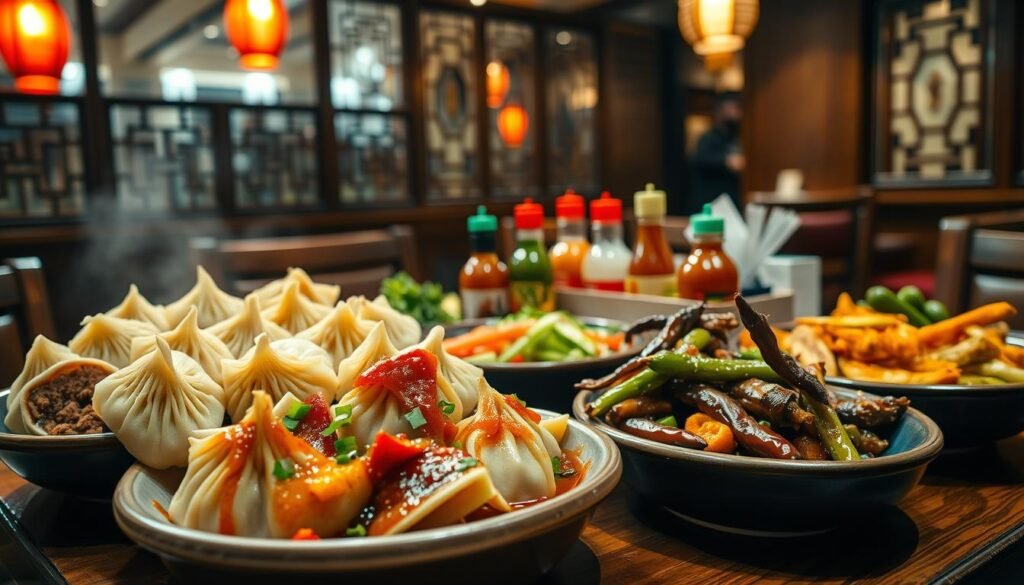
- Fuqi Feipian: Cold, paper-thin beef and tripe marinated in chili oil, served with pickled mustard greens—a unique Sichuan food that balances heat and tang.
- Guokui: Crispy scallion or pork-filled flatbreads, sold by vendors who’ve mastered the art of flipping dough in cast-iron pans.
- Zhong Dumplings: Steamed pork dumplings drenched in a sauce of sweet soy and chili, a breakfast staple in backstreet eateries.
“The best finds are never on menus—they’re in the steam rising from a vendor’s cart at 6 a.m.”
These dishes share stories of fermentation, street-side craftsmanship, and flavors beyond spiciness. Tasting them is like feeling Chengdu’s heartbeat. Here, authentic Chengdu specialties like preserved vegetable-stuffed buns and soy-simmered gong bao chicken await you. Let your wanderings uncover these unique Sichuan foods. They’re not just meals; they’re windows to the province’s soul.
The Magic of Málà: Understanding Sichuan Peppercorns
Sichuan peppercorn is a simple stir-fried vegetable dish. The chili oil’s warmth is followed by a unique tingle. This tingle, a mix of numbness and heat, is what makes málà flavor profile special.
Science reveals the magic: compounds like hydroxy-alpha sanshool in peppercorns affect nerve endings. This creates the numbing spice in Chinese cooking we love. Unlike taste buds, these peppercorns play with our body’s touch senses, making every bite a sensory adventure.
The Science Behind the Numbing Sensation
Chefs in Sichuan don’t just sprinkle peppercorns; they use them wisely. Roasting brings out their fragrance, while toasting adds depth. The trick is to get the timing right: too long, and the numbness disappears; too short, and the heat takes over.
How Sichuan Chefs Balance Heat and Numbing Flavors
Master chef Li Wei taught me that balance is key:
- Pairing Sichuan peppercorns with chili varieties like harako for layered heat
- Tempering spice with fermented black beans or sichuan Doubanjiang
- Adding star anise or ginger to anchor the chaos into harmony
“Málà isn’t chaos—it’s a rhythm. The numbness cleanses the palate between spicy notes,” Chef Li explained, swirling a spoon in a simmering pot of dry pot stickers.
This balance turns simple ingredients into a language of flavor. Only Sichuan’s cooks can speak this dialect fluently. A well-made málà dish is a revelation, not just a shock to the senses.
Street Food Adventures in Chengdu’s Vibrant Markets
Chengdu’s street food markets buzz with life. The smell of sizzling woks and fermented chili paste fills the air. My favorite finds came from following locals, not guides. Jinli Ancient Street is where many visitors start their journey.
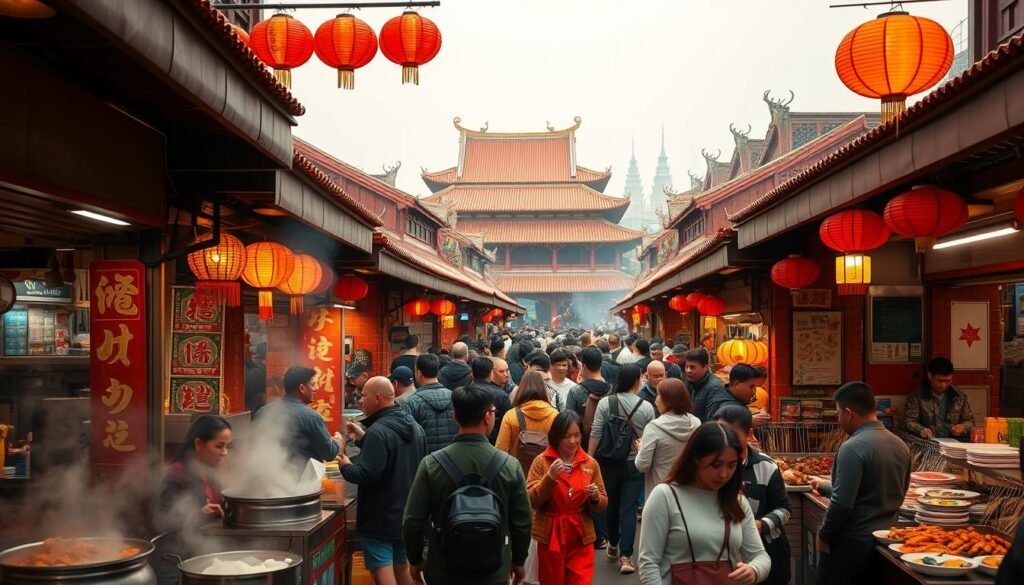
Jinli Ancient Street: Tourist Spot or Authentic Experience?
Exploring Jinli, I found true authenticity behind the lanterns. While souvenir shops line the entrance, hidden alleys hold gems. A woman sells shuǐ cháng (rice vermicelli) with a preserved vegetable broth.
Ask for là bǐng (spicy rice cakes) from a vendor with charred bamboo steamers. Their smoky crunch is a true authentic Sichuan snacks delight.
Navigating Xiaochi (Small Bites) Culture Like a Local
| Tip | Details |
|---|---|
| Follow the Lines | Choose stalls where locals wait, not just tourists |
| Phrase to Know | “Mǎo zhè ge” (Add this one) to customize orders |
| Seat Sharing | Join strangers at communal tables for shared plates |
Must-Try Street Food Delicacies Beyond the Guidebooks
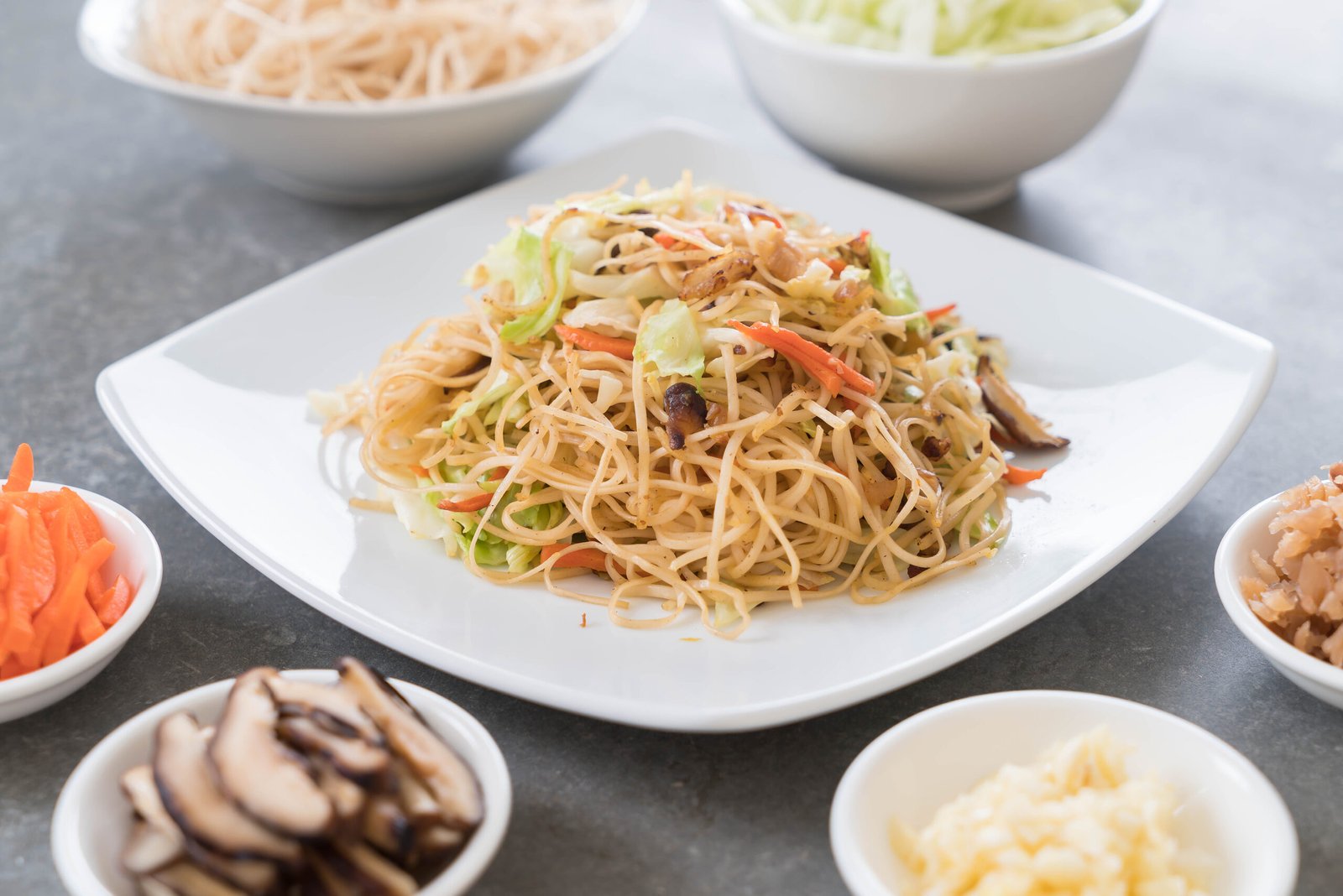
- Zá cài xī fěn (Mixed vegetable rice noodles) from the vendor near Wuhou Temple, where pickled mustard greens add tangy contrast
- Hand-pulled lāmiàn (noodles) at dawn in Renmin Road Market, where the cook stretches dough into silken strands
- Fall’s gāo shǔ (bamboo shoot stew) from the vendor who sells only during the 15 days of harvest season
Every bite in Chengdu’s Chengdu street food markets is a mix of heritage and spontaneity. Let your senses guide you. Follow the chili smoke and a vendor’s laugh to find Sichuan’s soul.
Tea Culture and Its Surprising Connection to Chengdu’s Food Scene
In the heart of Chengdu tea culture, places like the Heming Teahouse in People’s Park show how tea influences the city’s food. Here, time stands almost frozen as steam from clay pots of hua cha—the bitter green tea—wafts up. Locals enjoy this tea with spicy snacks like preserved plums.
“Tea isn’t just a drink here; it’s the rhythm of life,” a tea master said. I watched as people rinsed their palates with tea between bites of dan dan noodles.
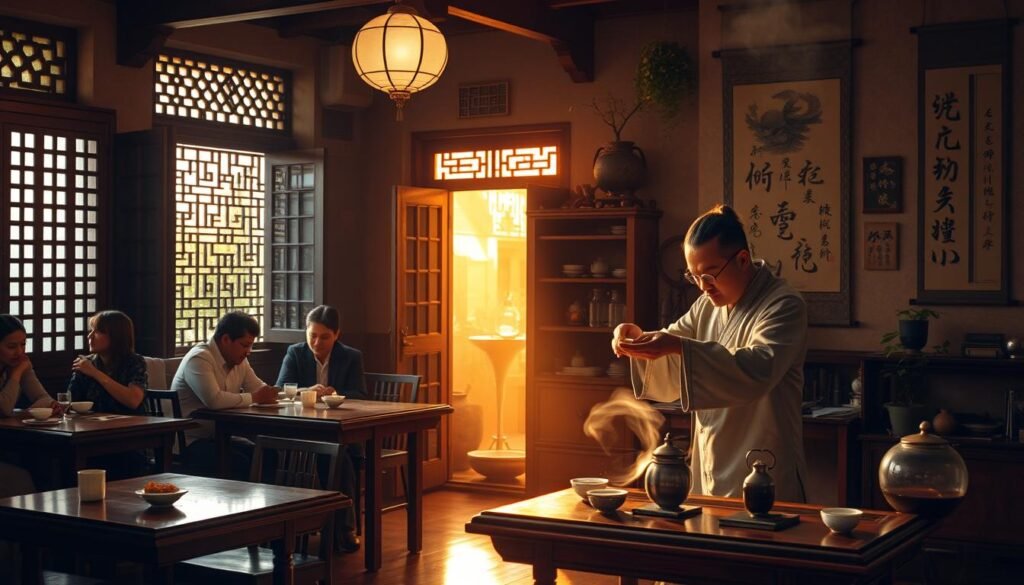
Chinese tea and food pairing goes beyond tradition. At local markets, vendors serve tea-infused dishes that show this balance. For example, a smoky oolong tea might go with numbing ma la dishes to reset the tongue.
Jasmine tea’s floral notes enhance the umami of twice-cooked pork. Roasted pu’er tea cuts through the richness of braised dishes.
- Bitter green tea + fiery dishes (e.g., mapo tofu)
- Jasmine tea + pork belly or lotus root slices
- White tea + spicy cold noodles
Innovation is blooming in hidden spots. A trendy café in Jinjiang District mixes Sichuan peppercorns into matcha lattes. This shows that Sichuan tea houses are always evolving.
This mix of tea and taste teaches a valuable lesson. Chengdu’s culinary art is about harmony—not just flavors, but moments. Enjoying a cup here is to grasp that every meal is a moment to pause in life’s rush.
The New Wave: Modern Interpretations of Classic Sichuan Dishes
Walking the streets of Chengdu today, you can smell chili oil and preserved vegetables. But now, the plates tell new stories. Modern Sichuan cuisine is where tradition meets boldness. Innovative Chinese chefs create dishes that surprise yet keep their essence.
Rising Star Chefs Redefining Chengdu’s Culinary Landscape
“We honor our ancestors by reimagining their flavors—not just repeating them.”
At Mei Wei, chef Zhou Wei makes delicate dumplings with fermented tofu. Ling Zhang of Zhi Xiang adds smoked tea to dan dan noodles. These contemporary Chengdu restaurants show innovation can enrich heritage.
Fusion Experiments That Actually Work
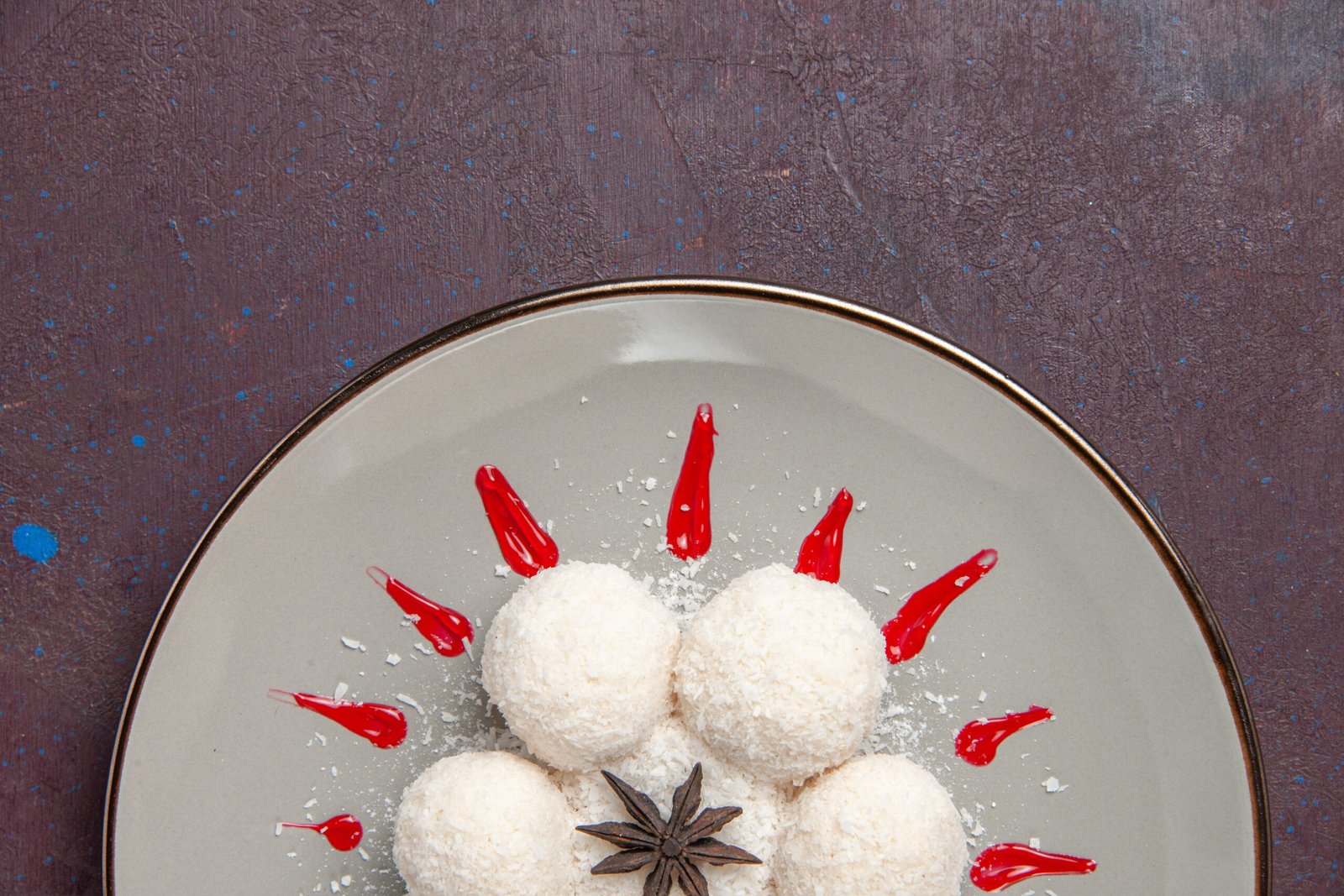
Good blends are about balance, not tricks. At Yi Xiang Lou, a mapo tofu dish is a chili gelée “cloud.” It’s a hit because it respects tradition.
- Regional ingredients paired thoughtfully (think Sichuan pepper + Japanese yuzu)
- Techniques like sous-vide for slow-braised dishes
- Modern plating that honors dish origins
| Traditional Dish | Modern Twist | Restaurant |
|---|---|---|
| Mapo Tofu | Velvet-textured tofu spheres with edible “smoke” vapor | Mei Wei |
| Preserved Vegetables | Crispy tempura bites with umami glaze | Zhi Xiang |
In these contemporary Chengdu restaurants, every bite promises a story. Sichuan’s flavors are alive, evolving without losing their essence.
Eating Like a Local: Dining Etiquette and Cultural Tips
Chinese dining etiquette makes meals special. Here’s how to enjoy Sichuan’s food without mistakes.
When ordering, Chengdu’s menus tell stories with pictures and group choices. People don’t order alone; they mix flavors and textures like chefs. A chef at Laochangxi Old Street Market said: “Follow what elders pick; they know the best.”
“Ask servers for ‘jiànxǐan’ (specialty dishes) to bypass language barriers,” shared Li Wei, a tea house owner who taught me to point at neighboring tables’ plates to mimic their choices.
The Art of Ordering in Chengdu Restaurants
- Use phrases like “qǐng nǐ gěi wǒ yí ge tuījiàn” (Please recommend a dish) to let servers guide your choices.
- Expect family-style portions—order 2–3 dishes per person, not per course.
- Trust the sizzle of chili oil as a sign of freshness, not just heat.
Dietary Considerations: Navigating Sichuan Cuisine with Restrictions
Even with dietary restrictions in Sichuan, you can enjoy the food. At Chengdu’s Da Laoshi Buddhist Cuisine, monks make meat-free mapo tofu. For allergies, Xichang Road’s chefs can change dishes if you ask. My gluten-intolerant friend found safe options in sour soups at Chuan Xi Lou, where they removed soy sauce.
Be curious about differences—whether reading menus or asking for changes. You’ll find Chengdu’s warmth goes beyond food.
When Taste Becomes Memory: How Chengdu’s Flavors Change Your Culinary Perspective
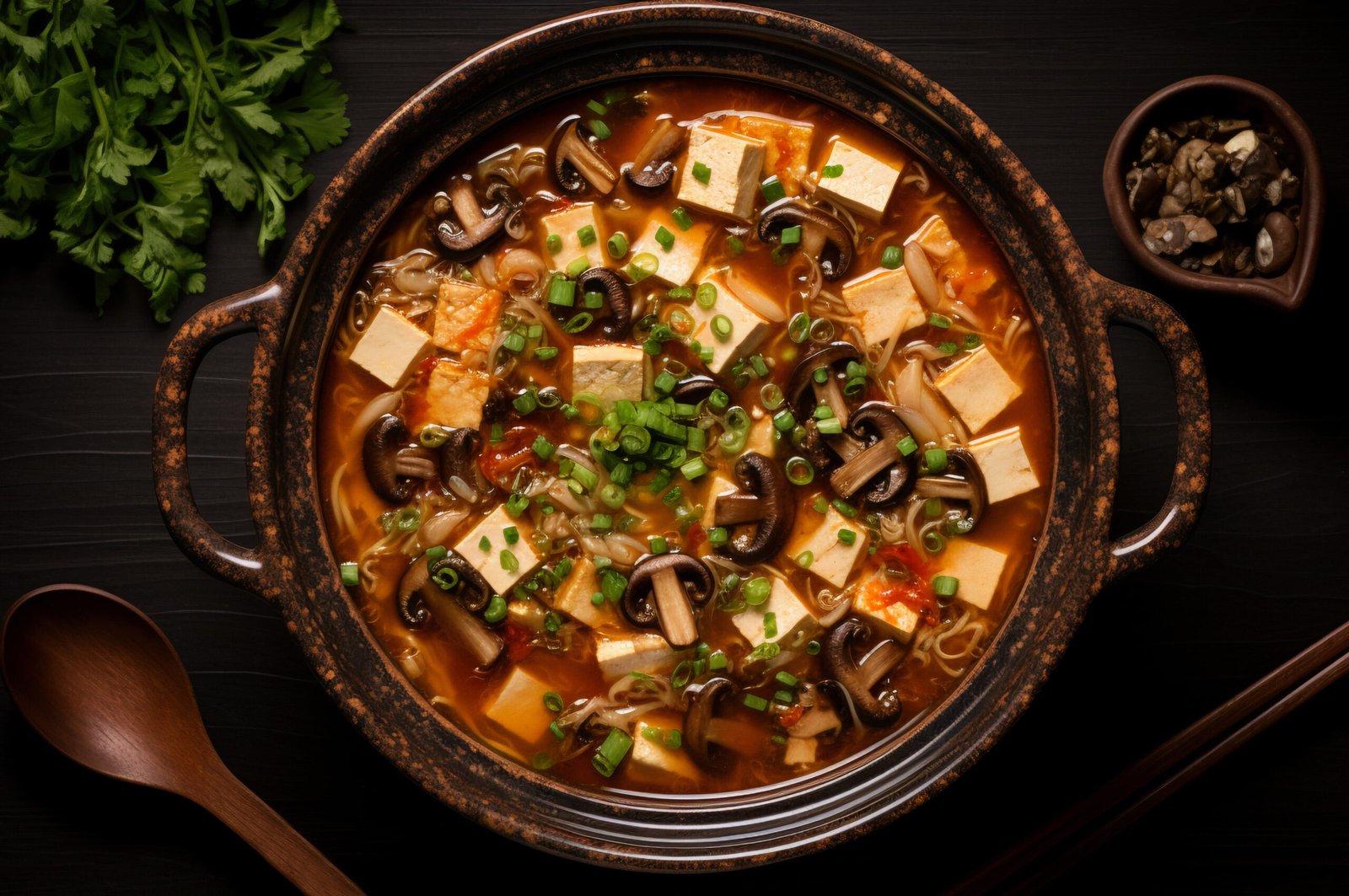
It is difficult to fully imagined the taste you will experience from a bowl of mapo tofu . The first bite of authentic Sichuan cuisine isn’t just spicy—its a revelation. The balance of málà heat and peppercorn numbness deep beyond surface notes. This culinary perspective shift reshapes taste globally.
“Memory is cooked into every grain of chili,” Master Chef Li, whose family has stewed spices in Chengdu for generations. “A dish isn’t just eaten—it’s lived.”
Food memories from China linger like the scent of toasted hua jiao (Sichuan pepper). The transformative food experiences in Chengdu show how geography and tradition blend into flavor. Handmade dan dan noodles, with their wheaty tang contrasting with chili oil, become a benchmark for authenticity.
- The citrus-tinged burn of preserved la bing cao (Sichuan pepper) leaves a tactile memory.
- Sticky rice cakes steamed in bamboo leaves evoke the misty hillsides where they’re farmed.
- Even street-side chao shou (egg noodle soup) carries the hum of a bustling morning market.
Yet some truths stay untranslatable. The first bite of gong bao chicken in a family-run alley stall can’t be replicated abroad; its magic lies in the chef’s wrist flick when tossing the wok. These flavors become heirlooms, stored not in jars but in the mind’s archive. To taste Chengdu is to learn that every spoonful holds a story waiting to reshape your next meal.