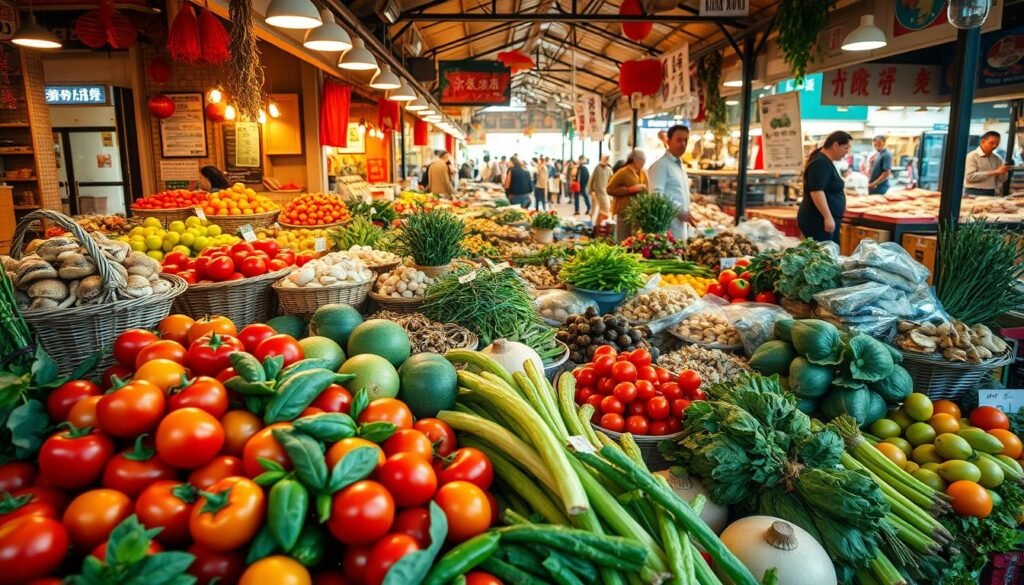
Cuisine in Zhungshi is unforgettable. It is crispy and sweet, like nothing you’ve ever tasted before. The busy Hangzhou market is an exploration of the city’s food culture. It’s a mix of old traditions and new ideas, where every dish has a story.
From the soft steam of longjing tea with shrimp to the smoky beggar’s chicken, Hangzhou’s food is a journey through time. It’s a dialogue of flavors that connects the past with today.
The area’s geography and history shape its food. The misty mornings by West Lake inspire dishes like vinegar-glazed fish. Even the emperors of the Song Dynasty enjoyed foods now found in modern kitchens.
A culinary tour of Zhejiang Province shows how villages and cities share a common respect for food. Every vendor, tea house, and top restaurant adds to the rich tapestry of Hangzhou food culture. It’s a place where tradition meets global interest.
Key Takeaways
Hangzhou’s food bridges 2,000 years of tradition with contemporary creativity.
Local ingredients like tea, freshwater fish, and seasonal vegetables define Zhejiang Province cuisine.
Historical dishes like Dongpo pork and West Lake fish reflect the region’s imperial legacy.
Street markets and tea ceremonies offer intimate glimpses into everyday culinary rituals.
Innovative chefs reinterpret classics, keeping ancient flavors relevant for modern palates.
A Taste of History: Hangzhou’s Culinary Heritage Through the Ages
Walking through Hangzhou’s bustling markets, feel the weight of centuries in every spice and herb. This city’s culinary story is etched into its dishes. Here, Chinese food history meets modern palates. Each bite of traditional Zhejiang cuisine tells a tale of emperors, monks, and farmers.
Imperial Influences on Hangzhou’s Kitchen Traditions
The Southern Song Dynasty’s move to Hangzhou in 1127 transforms its kitchens. Imperial chefs refined techniques like slow braising and delicate steaming. They source rare ingredients like freshwater fish from West Lake.
These innovations became the backbone of Hangzhou culinary heritage. Even humble ingredients like bamboo shoots gained elegance through courtly methods.
The Evolution of Zhejiang Provincial Cuisine
Zhejiang’s evolution mirrors its geography—crisp lotus roots from lakes, silken river fish, and fragrant Longjing tea infusing dishes. Over time, these elements fused into a cuisine that balances freshness and subtlety. Dishes like Beggar’s Chicken, once a folk recipe, now grace fine dining tables.
This shows tradition’s adaptability without losing its soul.
Cultural Significance of Food in Hangzhou Society
Food here is ritual. Confucian ideals of harmony shape communal banquets, where dishes like lotus root symbolize purity. Buddhist vegetarian traditions inspired mock meat dishes cherished today.
To savor a West Lake fish in vinegar sauce is to taste a culture. It sees meals as art, not just sustenance.
West Lake’s Influence on Hangzhou’s Food Culture
Walking along West Lake’s shores, see how its waters shape every bite of local cuisine. The lake’s bounty—silvery fish, crisp water chestnuts, and earthy lotus roots—forms the heart of West Lake culinary traditions. Chefs here treat the lake like a pantry, crafting dishes that mirror its ever-changing moods. Freshwater Hangzhou seafood dishes like steamed fish in lotus-leaf wraps embody this symbiosis, their flavors as delicate as the lake’s morning mist.
Seasonal shifts paint the lake’s palette anew. Spring’s tender water shield brings light salads; autumn’s frost-kissed lotus seeds deepen soups into comforting broths. Even presentation echoes the lake’s beauty—plates arranged to mimic ripples or serve as edible landscapes. At one lakeside eatery, a chef carves radish flowers to frame a platter, whispering, “We cook to taste the lake, not just see it.”
“The lake teaches us balance—flavors must be as harmonious as the horizon.”
This philosophy defines lake-inspired cuisine, where even simple dishes like stir-fried water bamboo shoot shoot reflect centuries of reverence. Exploring these flavors feels like savoring history itself, much like Italy’s coastal towns honor their seas. Every meal here is a dialogue between land and water, proving West Lake isn’t just a backdrop—it’s the soul of Hangzhou’s culinary artistry.
Essential Dishes That Define Authentic Hangzhou Cuisine
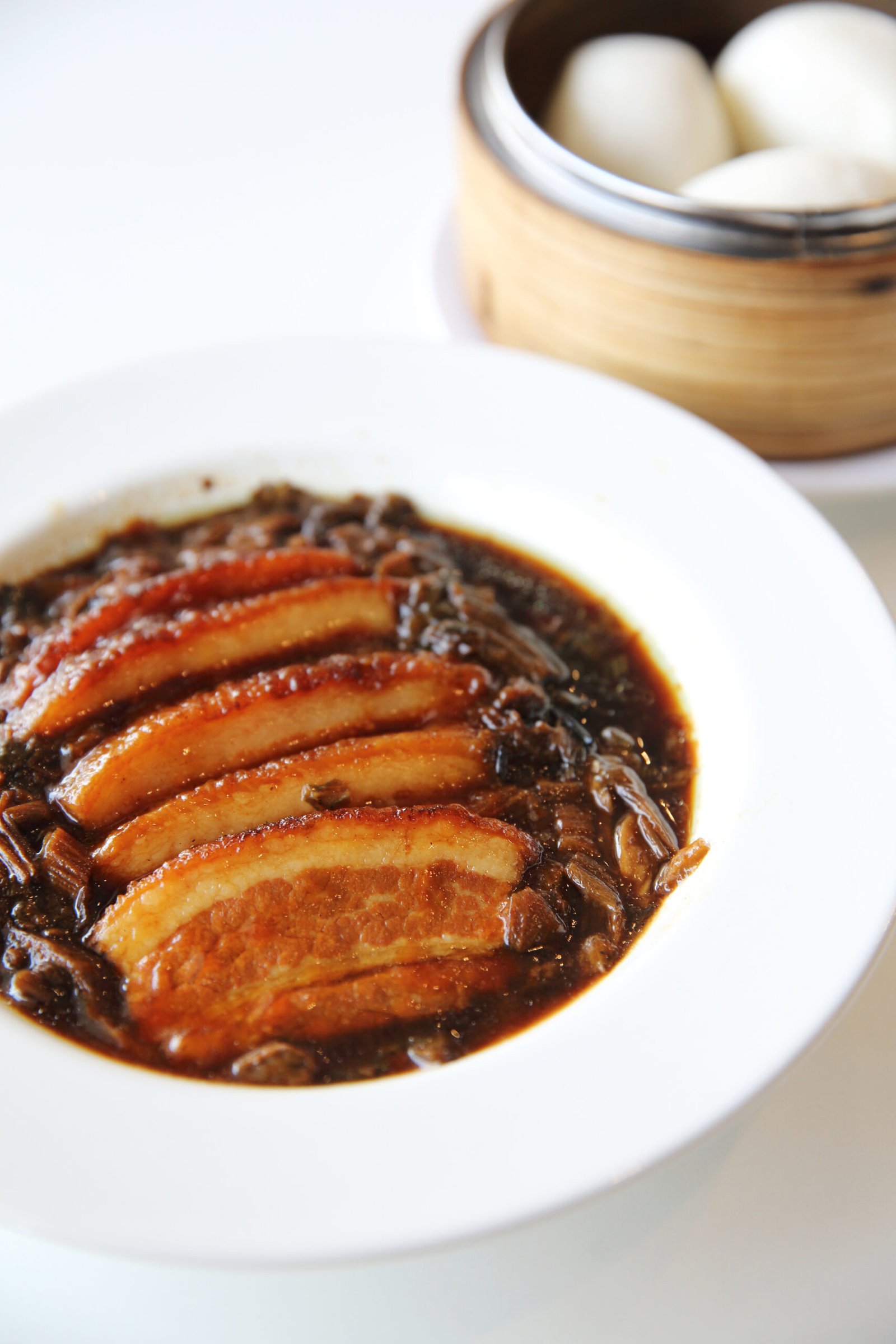
Hangzhou’s heart beats in its iconic dishes. These dishes connect the past to the present. From Dongpo pork’s smoky flavor to Longjing shrimp’s tea-infused taste, they are more than meals. They are family treasures.
Exploring these dishes, you will see tradition and innovation come together. It’s a beautiful dance on Hangzhou’s tables.
Dish
Story
Flavor Profile
Dongpo Pork
Legend of poet Su Dongpo’s accidental creation
Sweet soy-simmered pork belly
West Lake Fish
Chef’s artistry with freshwater fish
Tangy vinegar sauce, crispy skin
Beggar’s Chicken
Folklore of clay-baked survival food
Herb-infused meat, earthy aroma
Longjing Shrimp
Dragon Well tea meets river shrimp
Light tea fragrance, delicate balance
Dongpo Pork: The Story Behind Hangzhou’s Most Famous Dish
Dongpo pork is special. The outside is crispy, and the inside is so soft it melts. This dish has a long history, thanks to poet Su Dongpo’s slow-cooking method.
Every bite is like talking to history. It’s a extraordinary experience.
West Lake Fish in Vinegar Gravy: A Delicate Balance of Flavors
Seeing West Lake fish served is a show. The vinegar sauce is tangy, and the fish is flaky. It’s a perfect mix of lake freshness and kitchen skill.
This dish shows Hangzhou’s love for fresh ingredients.
Beggar’s Chicken: From Folklore to Fine Dining
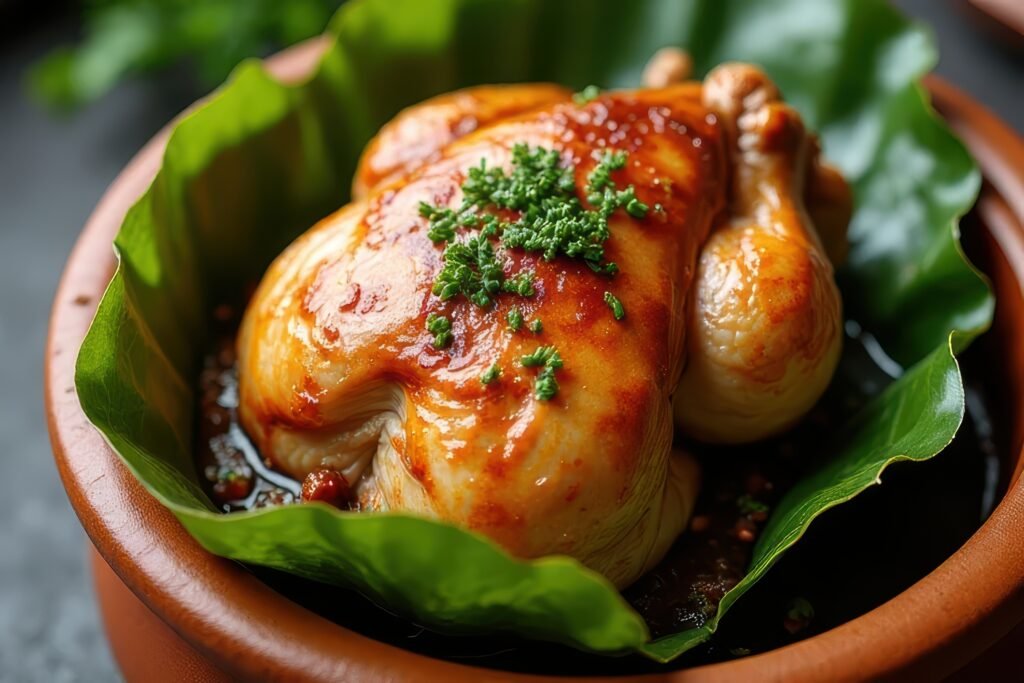
Opening the clay shell of Beggar’s Chicken is exciting. Inside, you find juicy chicken with star anise and rice wine. It’s a dish that started as a simple meal but is now a fancy dining experience.
This dish blends old stories with new ways of serving food.
Longjing Shrimp: When Tea Meets Seafood
Longjing Shrimp’s broth is filled with Dragon Well tea’s scent. The shrimp is light, letting the tea’s flavor stand out. It’s a perfect mix of land and sea.
This dish shows Hangzhou’s creativity in combining flavors.
Street Food Discoveries: Hidden Gems in Hangzhou’s Alleyways
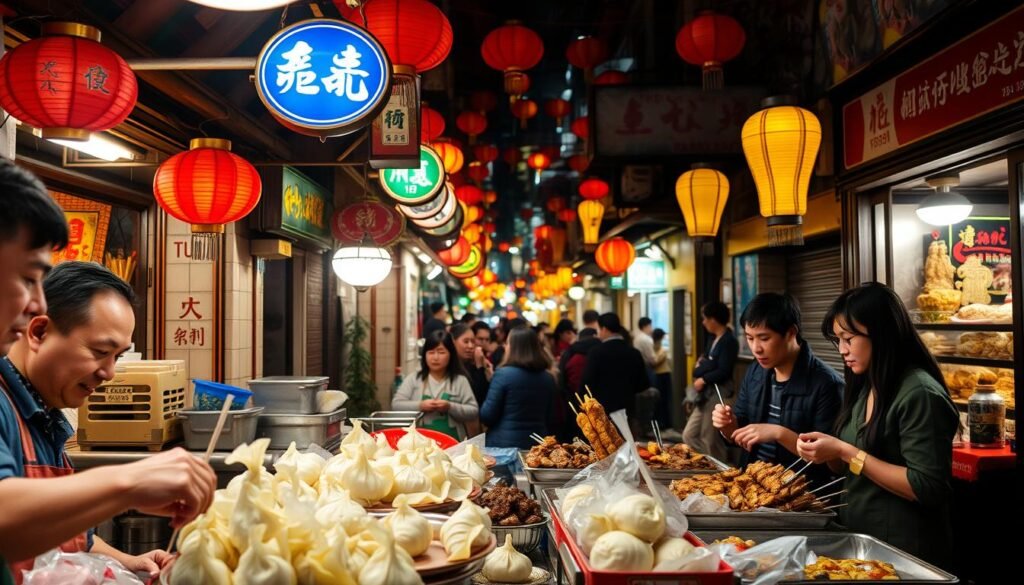
Walking through Wushan Night Market at dusk is like entering a feast. The air buzzes with sounds and smells of Hangzhou street food. This culinary adventure starts with lanterns lighting up stalls of local snacks in Hangzhou. Each bite connects you to generations of tradition.
Wushan Night Market: A Street Food Paradise
At Wushan, Chinese food markets turn into flavor theaters. A vendor makes shao bing pancakes until they’re golden. Their sesame crusts crunch like autumn leaves.
Nearby, sticky rice cakes with lotus paste steam in bamboo leaves. Their scent mixes with smoky chao shou noodle soups. Every stall is a star in this nightly show.
Local Snacks That Capture Hangzhou’s Soul
Visit Qinghefang Alley for treasures like:
Oil-soaked duck: Crispy skin with a glaze of aged vinegar
Crab shell cake: Flaky pastry with savory crab meat inside
Osmanthu jelly: Sweetened by Hangzhou’s iconic flower, chilled to perfection
Snack
Signature Flavor
Iconic Vendor
Oil-Soy Duck
Sweet-salty glaze
Old Zhou’s Stall
Crab Shell Cake
Briny crab essence
Lakeview Bakery
Osmanthu Jelly
Floral honey notes
Green Tea Hut
These dishes shine in Hangzhou street food culture. Vendors like Grandma Li, who’s made stewed vinegared fish for 30 years, show the city’s culinary heart. Their recipes, passed down through generations, prove greatness doesn’t need a Michelin star.
The Culinary Tour of Hangzhou (Zhejiang Province): My Personal Journey
At dawn, fishermen cast nets over West Lake. Their movements are as smooth as the waves. In Zhejiang Province, food tourism is more than just tasting. It’s a conversation between the land and the traveler.
In the local village families steam river shrimp with Longjing tea leaves. This combined two of the region’s greatest treasures.
“Food here tells stories older than our tables,” said Master Chen, a tea farmer. His hands had shaped Dragon Well leaves for decades. His words echoed as I learned to brew tea in his courtyard, steam rising like mist over the hills of Hangzhou.
In neighborhoods like Qinghefang, you will find hidden eateries. Chefs there revived ancient recipes. Try beggar’s chicken wrapped in lotus leaves and lotus root dishes.
Seasonal ingredients changed my taste. Spring bamboo shoots, autumn chestnuts, and winter lotus roots were all new to me. Each meal taught me about Zhejiang’s culinary philosophy: simplicity honoring nature.
Visit family-run tea plantations for hands-on brewing lessons
Join morning markets to taste xi hua shui zhi (water shield vegetable) at its peak
Book a riverside restaurant for sunset views paired with West Lake vinegar fish
Food tourism in Hangzhou evokes the details of the food’s flavors. They are not just eaten but experienced. Every bite, from street vendor’s sticky rice cakes to a chef’s secrets, connected me to this ancient yet vibrant culinary world.
Tea House Culture: Beyond Dragon Well Tea
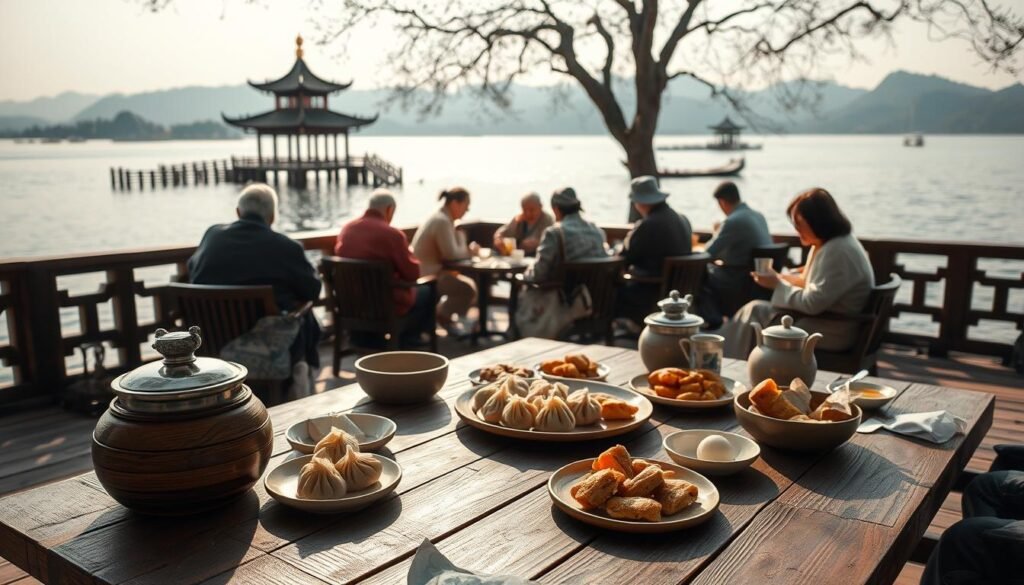
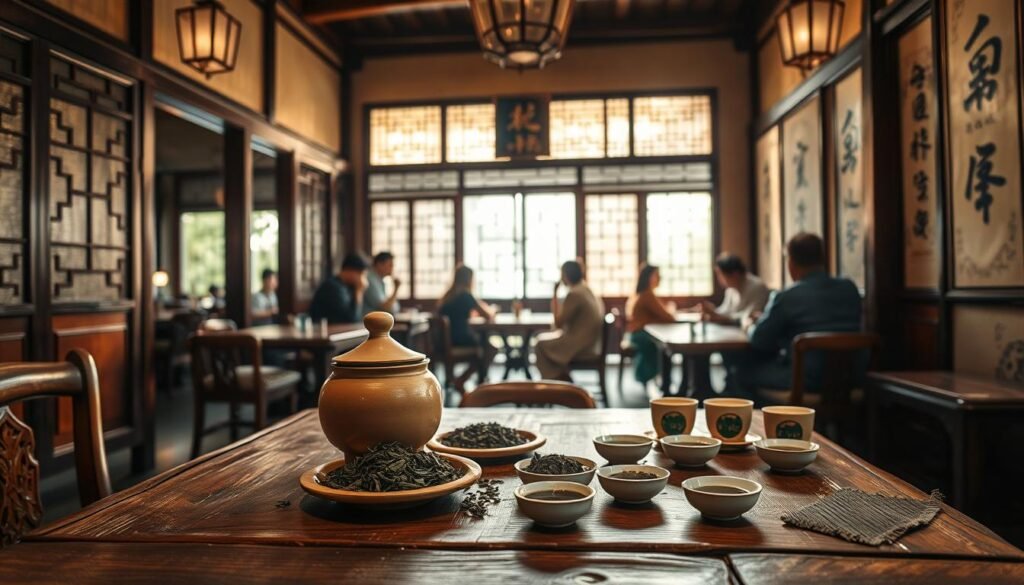
Walking into a century-old tea house in Hangzhou is like entering a museum of Chinese tea culture. The aroma of Longjing tea fills the air. But Hangzhou’s tea culture goes beyond just one type of tea. Taste a unique Dragon Well tea paired with sweetbreads at Lingyi Tea Parlor showing how tea can change the flavor of food. It proves that Hangzhou’s food culture is deeply rooted in every cup of tea.
The Art of Tea Pairing with Hangzhou Dishes
Pairing tea with food is like mixing magic and science. At Louwailong Tea House, a tea master explained how young Longjing tea cuts through the fat of braised pork belly. Its roasted barley version pairs well with river shrimp’s umami. These Hangzhou tea houses are like food labs, where:
Floral jasmine tea softens the spiciness of tea-smoked duck
These places are like schools. A tea master once said,
“A great pairing reveals’s the dish’s truth—never masks it.”
This idea shows Hangzhou’s love for food. It’s about respecting ingredients and preparing them with care.
Visiting these tea houses shows how Dragon Well tea pairing has become an art of flavor. Each sip connects Zhejiang’s traditions with the diner’s taste. It proves tea’s importance in Hangzhou’s food story.
Modern Interpretations: How Chefs Are Reinventing Traditional Recipes
In Hangzhou, innovative Hangzhou chefs are making old recipes new again. They keep the heart of tradition alive while adding their own twist. At Epicurean Escape, I saw chefs like Chef Lin of Liangye Restaurant. They mix deep flavors with new methods.
These chefs blend old and new in their dishes. For example, they use Longjing tea leaves to make a crispy shell for shrimp mousse. This shows how they respect tradition while exploring new ideas.
Smoked Beggar’s Chicken wrapped in lotus leaves, paired with yuzu foam
Spring vegetable dumplings sculpted into origami-like forms
Tea-infused desserts that layer osmanthysyrup with chocolate
Exploring Hangzhou’s food scene, the future is where old and new meet. These innovative Hangzhou chefs show us that tradition can grow and change. They promise a modern Chinese cuisine that honors the past but looks to the future.
Seasonal Dining: How Hangzhou’s Menu Changes Throughout the Year
Walking through Hangzhou’s markets, I’ve seen how the traditional Chinese food calendar shapes every dish. Chefs here treat seasonal shifts like a symphony—each note a new ingredient, each movement a shift in flavor. Seasonal Chinese dishes aren’t just trends; they’re a centuries-old dialogue between nature and the kitchen.
In spring, bamboo shoots emerge as the star of Hangzhou seasonal ingredients. Markets buzz as vendors showcase tender shoots paired with delicate spring greens. “Spring’s bounty is fleeting,” a local chef told me, “so we celebrate it with dishes like bamboo shoot soup with fragrant Longjing tea-infused broth.”
Summer’s menu turns to cooling dishes rooted in traditional healing wisdom:
Lotus root stews clear heat from the body
Crisp cucumber salads with sesame dressing
Chilled tofu with soy sauce and scallions
Fall transforms tables into harvest festivals. Autumn’s persimmons and freshwater crabs dominate menus, symbolizing abundance. In winter, warming stews like hua guo rou (flower crab meat stew) become communal rituals, their rich flavors echoing Taoist principles of balance.
Season
Signature Dishes
Cultural Roots
Spring
Bamboo shoot hot pot
Symbolizes renewal
Summer
Lotus root porridge
Traditional yin-yang balance
Autumn
Persimmon-glazed duck
Harvest gratitude rituals
Winter
Eight-treasure glutinous rice cake
Winter solstice traditions
“A meal out of season lacks soul.” — Chef Li Wei, master of Hangzhou’s jiabing street kitchens
The Sweet Side of Hangzhou: Desserts and Confections
Exploring Hangzhou’s food scene wouldn’t be complete without its Hangzhou desserts. These treats are different from the sweet foods I’m used to. They mix creativity with a light touch. At a shop near West Lake, try traditional Chinese confections that shows off the city’s history and skill.
Sister Song’s fish-shaped glutinous rice cakes were amazing. They had a lotus seed filling that was soft and sweet. It is a perfect mix of taste and tradition.
Osmanthuses, a symbol of Hangzhou’s fall, add a special touch to desserts like osmanthuses-scented lotus root with sticky rice. These Chinese sweet treats are filled with a floral scent and a deep sweetness. They remind us of Hangzhou’s changing seasons.
“Sweetness here is an invitation to savor, not just eat,” explained Master Li, a confectioner preserving 300-year-old recipes in his workshop.
Traditional treats like mooncakes with red bean paste sit next to new creations. Young chefs mix Longjing tea gelato with lychee sorbet. This shows how tradition meets innovation in Hangzhou’s desserts.
Traditional Confections
Modern Twists
Fish-shaped rice cakes
Matcha-glazed buns
Osmanthuses jelly
Sake-soaked mochi
Lotus seed pastries
Edible flower ice creams
In temple markets and Michelin-starred places, Hangzhou’s traditional Chinese confections show a culture that celebrates dessert. It’s not just a treat; it’s a way to honor heritage. Every bite is a journey into the heart of Hangzhou’s traditions.
Dining Etiquette: Navigating a Traditional Hangzhou Meal as an American
Formal Hangzhou banquets teach humility. As an American, you may struggle with chopsticks and possibly the order of dishes. But, local hosts will help you learn the ways of respect.
Chinese dining etiquette is all about showing respect. Every action, like using chopsticks, says thank you. Let’s explore this together.
Understanding Banquet Customs in Hangzhou
At a Hangzhou banquet, the order of dishes is important. The first course often celebrates the season, like spring bamboo shoots in soy broth. When glasses clink, it’s time for toasts, where the youngest pours wine for the elders.
The host sits at the head, facing the entrance. It’s considered rude to refuse a second helping of Longjing tea-infused shrimp. These customs are a dance of respect and joy.
Common Misunderstandings and How to Avoid Them
Leaving food untouched: It’s better to taste a bit of each dish to show respect.
Chopstick placement: Place chopsticks on the bowl’s edge, not vertically in rice, which is a funeral custom.
Over-praising dishes: It’s more polite to compliment the chef’s skill than just the food.
“Etiquette here is not about rules—it’s about feeling the warmth of the table,” my host explained, pouring tea into tiny cups. “Mistakes happen, but sincerity opens every door.”
Learning these customs made my meals special. When I toasted to a senior diner’s health, I felt a deep connection. It showed how food can start conversations between guests and traditions.
Where Tradition Meets Innovation: Hangzhou’s Culinary Future
Walking through Hangzhou’s bustling markets, you may feel a quiet revolution happening. The future of Hangzhou food is not just about keeping old ways alive. It’s a mix of respect for the past and new ideas. Chefs here are making modern Chinese cuisine while keeping its roots strong.
At a trendy downtown restaurant, try Longjing shrimp with a twist. It shows how culinary innovations in China respect Zhejiang’s traditions.
“We’re not just cooking dishes; we’re crafting bridges between past and present.”
— Chef Lin Wei, founder of the Green Dragon Kitchen, a place where apprentices learn new cooking methods.
A recent survey shows three big trends in Hangzhou’s food scene:
Terroir-first dining: Places like West Lake Breeze use local ingredients. This keeps dishes like Beggar’s Chicken true to their roots.
Global fusion: Chefs mix Dongpo pork with Mediterranean spices. This creates menus that surprise and stay balanced.
Sustainable practices: Young chefs focus on zero-waste kitchens. They turn vegetable scraps into trendy snacks.
Traditional Staple
Innovative Twist
Sticky rice cakes
Crisped into savory tarts with black truffle
Lotus root soup
Served as a chilled bisque with edible flower garnish
Hangzhou’s chefs are at a crossroads. They show that the heart of their cuisine is in being adaptable. By blending modern Chinese cuisine with tradition, Hangzhou stays at the top of the culinary world. The real question is not if to change, but how to do it wisely.
Conclusion: Why Hangzhou Deserves Its Place on the Global Culinary Map
Leaving Hangzhou, you will be convinced it’s more than a culinary destination China. It’s a living taste archive. From Dongpo Pork’s richness to West Lake’s fish, every dish tells a story. Hangzhou food tourism is a journey through history, seasons, and joy.
Here, authentic Chinese cuisine shines. The mix of Longjing tea and shrimp, or beggar’s chicken, shows tradition meets innovation. Nights at Wushan Night Market connect locals and visitors through street food, sharing Hangzhou’s heart.
Hangzhou’s fame in global cuisine isn’t by chance. It’s built in kitchens where chefs blend old methods with new. Tasting its flavors is like experiencing a culture that values seasons and togetherness. Whether it’s a steamed bun or tea pairings, Hangzhou’s food invites you to see China’s soul. Every bite here tells a story, leaving you wanting more.
FAQ
What are the must-try dishes in Hangzhou?
In Hangzhou, you must try Dongpo Pork. It’s a braised pork belly dish named after a famous poet. Also, don’t miss the West Lake Fish in Vinegar Gravy for its balanced flavors.Try Beggar’s Chicken, a dish wrapped in clay, and Longjing Shrimp. The local tea pairs perfectly with the sweetness of the shrimp.
How does the culinary landscape in Hangzhou evolve with the seasons?
Hangzhou’s food changes with the seasons. In spring, dishes feature tender bamboo shoots and wild herbs. Summer brings cool meals like lotus root soup.Autumn’s harvest includes crabs and mushrooms. Winter offers hearty stews to warm you up.
What should I experience while dining in Hangzhou?
Dining in Hangzhou is more than just eating. It’s a journey through cultural traditions. You’ll see banquet customs and the importance of seasonal ingredients.Enjoy the presentation of dishes and learn about local tea culture. It will make your experience richer.
Are there any specific etiquette tips to follow while dining in Hangzhou?
Yes! Knowing about seating arrangements and toasting rituals is key. Serving others before yourself shows respect and harmony in Chinese culture.
How can I learn more about Hangzhou’s culinary heritage?
To dive into Hangzhou’s food heritage, take a cooking class or visit a tea plantation. Dine at local eateries that use traditional cooking methods.Talking to local chefs and cooking schools will give you deeper insights into the region’s food wisdom.
What role does tea play in Hangzhou’s food culture?
Tea, like Longjing tea, is a big part of Hangzhou’s food culture. It enhances dishes, making unique pairings that boost flavors. Tea houses add to the experience, providing atmosphere and context.
What are some popular street foods to try in Hangzhou?
Check out the Wushan Night Market for local treats. Try pan-fried dumplings, rice rolls, and snacks like osmanthu jelly and crab shell cake. Each bite shows the true flavors of Hangzhou’s street food.
How can I keep up with modern culinary trends in Hangzhou?
To know about Hangzhou’s new food trends, follow local food blogs and attend events. Visit new restaurants that mix traditional recipes with modern techniques. This shows how Hangzhou’s food scene is evolving.
What cultural significance does food hold in Hangzhou?
Food in Hangzhou tells stories of history and culture. It reflects Confucian values and local customs. Dining is an art that emphasizes harmony, seasonality, and community, creating connections beyond the table.