

Walking through New Orleans feels like entering a kitchen filled with history. The Culinary Tour of New Orleans is more than just eating. It’s a mix of French Quarter spices and bayou traditions.
Every dish here has a story. From the smoky authentic Creole cuisine in hidden spots to the bold Cajun cooking in markets. New Orleans food culture is a blend of Southern, Caribbean, African, and Spanish flavors.
What draws people to New Orleans’ food? It’s the gumbo, po’boys, and desserts like bananas foster. These dishes are more than recipes; they’re family traditions.
This article invites you to explore a cuisine that defies categorization. Every bite connects you to the people and place of New Orleans.
Key Takeaways
- New Orleans’ food culture merges French, African, Spanish, and Caribbean influences into one-of-a-kind dishes.
- Authentic Creole cuisine focuses on rich sauces and urban ingredients, while Cajun cooking highlights rustic, gamey flavors.
- The city’s culinary identity is inseparable from its history, from antebellum kitchens to post-Katrina rebirths.
- Exploring its Southern food traditions reveals how everyday meals became global culinary icons.
- Each neighborhood holds hidden gems—from market stalls to Creole brasseries—waiting to redefine your idea of “southern.”
The Soul of the South: Understanding New Orleans’ Culinary Heritage
Walking the French Quarter, I found New Orleans’ food history in every bite. Beignets dusted with powdered sugar were a delight. The smell of sausages and stews brought back centuries of history.
Chefs told me how their recipes connect continents. Each ingredient shows survival and reinvention.
The Melting Pot That Created a Unique Food Culture
Creole cuisine is a mix of worlds. Cultural influences on Creole cuisine turned hard times into something new. French and African cooking styles merged, creating dishes like gumbo.
African okra thickened French roux bases. This mix made gumbo special.
French, Spanish, African, and Caribbean Influences
The holy trinity of onions, celery, and bell peppers came from France. Spanish slow braising and saffron rice are also part of it. African okra and Caribbean spices add depth to dishes.
Today, we see these influences in crawfish boils and roux-based sauces.
Why New Orleans Cuisine Stands Apart in American Gastronomy
New Orleans’ unique history helped preserve its food. Unlike other places, its social structure and trade routes kept traditions alive. This led to a wide variety of Creole gumbo.
It’s not just food; it’s a story of survival and joy.
Creole vs. Cajun: Decoding the Delicious Difference
In New Orleans, I’ve heard many ask: “Isn’t Creole just a fancy word for Cajun?” The answer is complex, like a roux cooked for hours. Creole cuisine, born in the city’s kitchens, combines French, Spanish, and Caribbean flavors. It’s about dishes like buttery shrimp rémoulade or oyster stew with Madeira wine.
On the other hand, Cajun cooking tells a story of Acadian resilience. It’s about hearty meals like étouffée or boudin. The difference is not just in taste but also in history and soil.
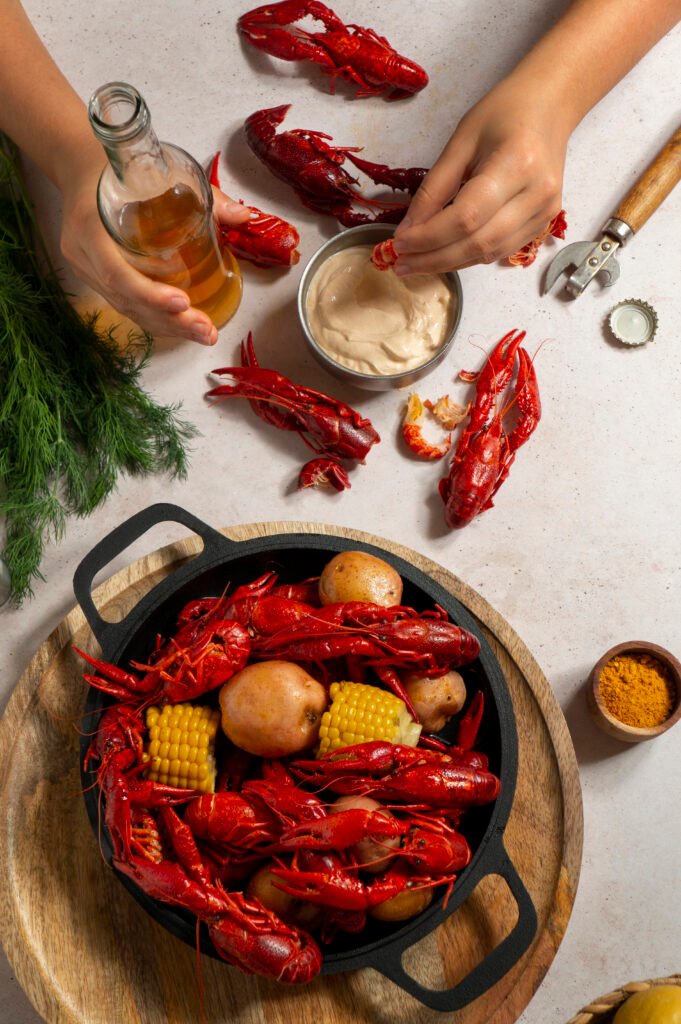
Top view crawfish and corn still life
Creole cooking is all about city flavors, with tomatoes, butter, and cream. Cajun cooking, on the other hand, uses smoked sausage and file powder. A dish like Spicy Cajun Chicken is full of rustic heat. Creole gumbo, with okra and andouille, whispers of urban elegance.
Even today, chefs like Emeril Lagasse blend both styles. They create new dishes that honor both traditions.
“Creole is a symphony; Cajun is a blues riff—both Louisiana’s heartbeat,” shared a third-generation chef at Commander’s Palace.
Creole and Cajun are not rivals but siblings. Enjoying their differences lets us taste centuries of adaptation. It shows that in Louisiana, soil and soul make every bite special.
The Essential Culinary Tour of New Orleans: My Personal Journey
Start your New Orleans food tour at dawn with beignets at Café du Monde. The city’s food scene unfolds hour by hour. You’ll get to try must-eat dishes at their best times. Whether on a guided tour or exploring on your own, here’s how to enjoy New Orleans’ best food. Below is a guide to iconic meals, each perfect for a specific time and place:
| Time | Dish | Restaurant | Highlight |
|---|---|---|---|
| Morning | Beignets | Café du Monde | Powdered sugar dusted perfection |
| Afternoon | Po’boys/Muffulettas | Parkway Bakery & Central Grocery | Salty, crispy sandwiches |
| Evening | Gumbo/Jambalaya | Dooky Chase’s & Galatoire’s | Hearty stews simmered to perfection |
| Midnight | Bananas Foster | Brennan’s | Flambeed dessert with caramelized fruit |
Morning Beignets and Café au Lait
My mornings start at 6 a.m. at Café du Monde. The air buzzes with chatter and the scent of dough. The powdered sugar sticks to your fingers, showing simplicity can be divine. Enjoy each beignet with café au lait, steeped in local tradition.
Afternoon Po’boys and Muffulettas
At noon, I head to Parkway Bakery for a shrimp po’boy. The sandwich is buttery, with plump shrimp, crisp lettuce, and tangy remoulade. Later, Central Grocery’s olive-stuffed muffuletta is a must-try, but be ready for a messy delight.
Evening Gumbo and Jambalaya
At dusk, Dooky Chase’s gumbo is my go-to. Its dark roux speaks of generations of cooking. Galatoire’s jambalaya is spicy, with andouille and shrimp, a flavorful mix that’s bold and unapologetic.
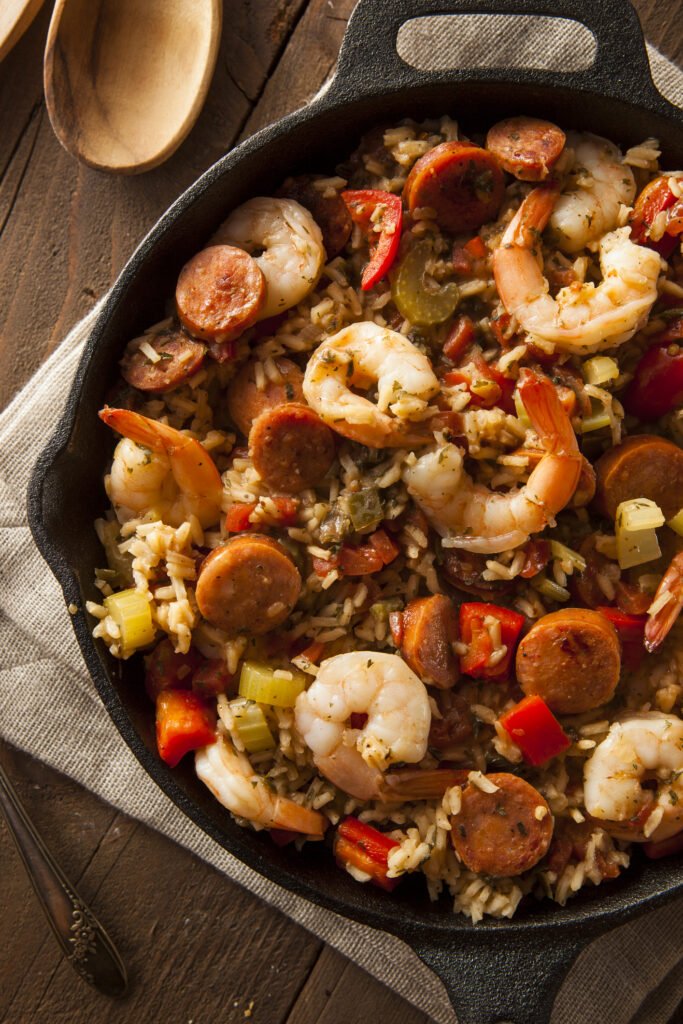
Spicy Homemade Cajun Jambalaya With Sausage And Shrimp
Late Night Bananas Foster
My evenings end at Brennan’s with bananas foster. It’s flambéed right at your table, a spectacle and a dessert. It shows that New Orleans’ iconic meals are meant to be seen and savored.
Gumbo: The Controversial Masterpiece of New Orleans Cooking
In New Orleans, gumbo is more than a dish—it’s a topic of endless debate. Friends often argue for hours about the perfect roux shade or the best thickener. This beloved stew’s controversies show as much about the city’s soul as its taste.
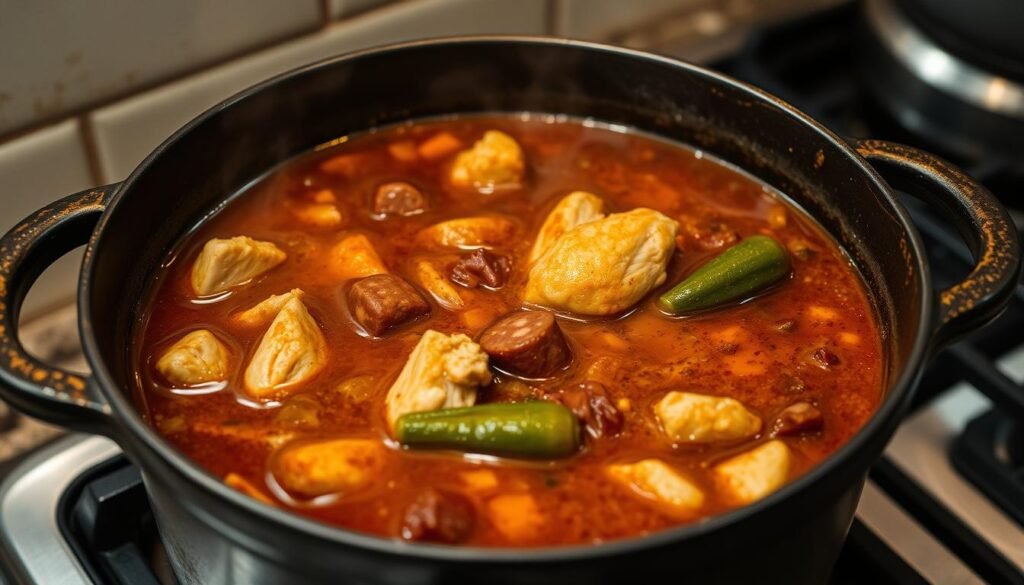
The Roux Debate: Dark vs Light
The heart of any gumbo recipe starts with roux. Some chefs prefer a mahogany roux for its deep, coffee-like richness. Others say a caramel-hued roux keeps vegetable flavors bright.
Both methods require patience—roux preparation methods can take an hour of constant stirring. At Cochon Butcher, they use a medium roux. It balances nutty depth with seafood and sausage flavors.
Okra or Filé? The Thickening Question
Okra’s natural mucilage or filé’s earthy sassafras powder—this choice divides families and neighborhoods. Okra pairs well with shrimp gumbo at Coop’s Place. Filé adds mystique to wild game versions.
Both thickeners are respected in authentic New Orleans gumbo traditions.
My Favorite Gumbo Spots in the Big Easy
- Ma Poisson (Bywater): A silky crab-and-andouille gumbo that feels like a hug in a bowl.
- Willie Mae’s Scotch House: Their dark-roux chicken gumbo tastes like generations of gumbo recipes whispered through family kitchens.
- Hidden gem: Red beans & rice spots like Backstreet Cultural Museum serve humble, smoky versions that locals revere.
Every spoonful of gumbo tells a story. Debates over technique and tradition celebrate how food connects a city’s history to its future.
Beyond the French Quarter: Hidden Culinary Gems
Step beyond the tourist crowds and discover the soul of New Orleans in its neighborhood eateries. My journey through undiscovered New Orleans restaurants started in Bywater. Here, sunlit windows of local New Orleans food spots spill onto streets buzzing with creativity.
In Mid-City, a tucked-away bistro crafts authentic New Orleans dining experiences. They simmer crawfish étouffée for hours in cast-iron pots.
- Bywater: Smoky shrimp po’boys at a neighborhood eatery with a chalkboard menu
- Mid-City: Gumbo served in enamelware at family-run tables for 56 years
- Uptown: Jazz-infused brunches with beignets dusted in cinnamon sugar
“True flavor lives where tourists don’t,” said Chef Marie in her off the beaten path New Orleans restaurant. Her hands shape fresh roux as we speak.
In the 9th Ward, a corner store’s undiscovered New Orleans restaurants legacy lives in their po’boy bread. It’s crisp edges hiding tender shrimp.
One evening, I found myself at a Tremé bistro. A matriarch’s praline-glazed bread pudding tasted like heirloom recipes. These spots thrive on community—no reservations, just a wink from the owner.
For guidance on finding these local New Orleans food spots, reach out to our culinary concierge team. They map these hidden corners. Each dish here is a conversation between past and present, a testament to resilience served on a paper plate.
Beyond the chaos of crowds, New Orleans’ heartbeat pulses in these unpretentious neighborhood eateries. Every bite feels like a secret shared between friends.
The Seafood Obsession: From Crawfish Boils to Oyster Bars
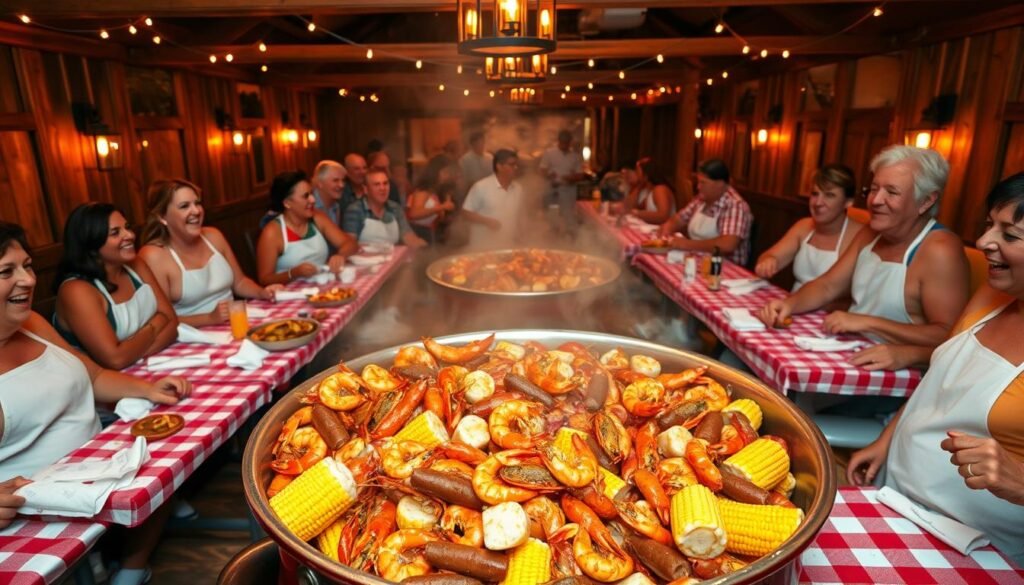
Walking through the French Market, you’re hit with the smell of Gulf oysters and crawfish boils. It’s more than just food—it’s a tradition tied to the seasons. Spring brings crawfish, while summer is all about plump oysters.
Seasonal Eating: When to Savor the Catch
| Season | Featured Catch |
|---|---|
| Spring | Crawfish, shrimp, trout |
| Summer | Oysters, crab, pompano |
| Fall | Soft-shell crabs, flounder |
The Ritual of a Proper Crawfish Boil
A New Orleans crawfish boil is a show, not just a meal. The spice blends here tell stories. Here’s how it goes down:
- Boil crawfish in Cajun seasonings: cayenne, garlic, and lemon
- Serve with boiled potatoes, corn, and a cold beer
- Etiquette tip: shells go in a designated bucket, never on the floor
Shucking Culture: Why Gulf Oysters Reign
“Our waters give oysters a briny sweetness you won’t find elsewhere,” says Pierre, a third-generation shucker at Oyster Bar 1890.
Gulf oysters are special because of the Mississippi Delta’s rich waters. They taste mild, unlike Pacific oysters. At seafood restaurants New Orleans like Coop’s Place, they’re served simply on the half-shell.
Sweet Surrender: The Desserts That Define New Orleans
Walking through the French Market, the scent of caramelized sugar and toasted pecans draws me to vendors selling New Orleans pralines. These traditional Creole sweets are more than just desserts. They are pieces of history, made to stay with you long after you’ve finished eating. From modern twists on classics to timeless recipes, every bite has a story to tell.
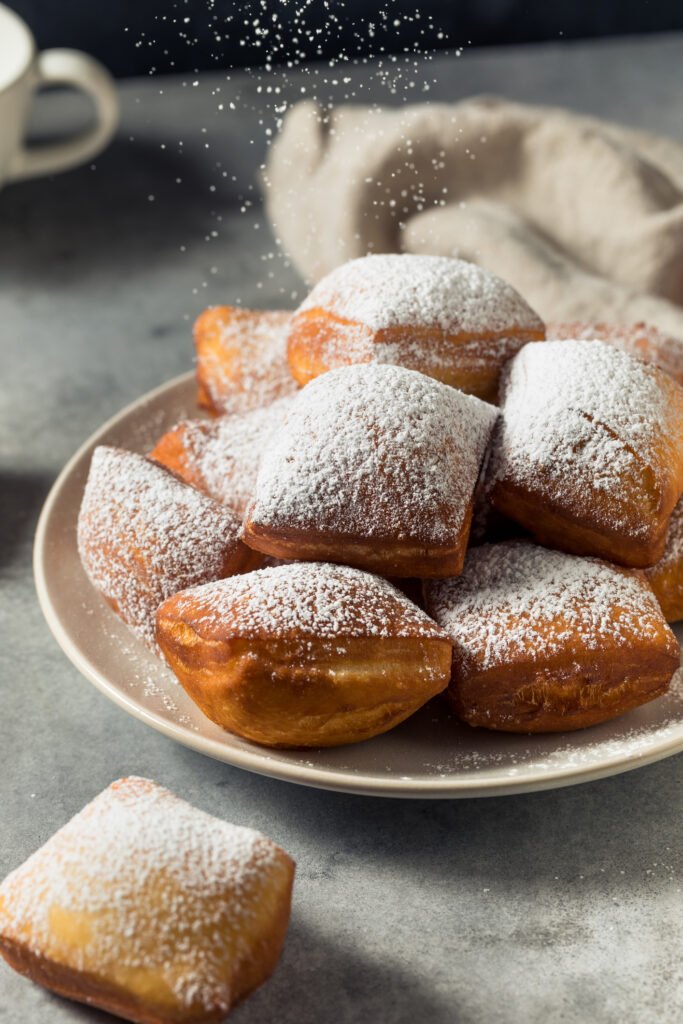
Homemade New Orleans French Beignets With Powdered Sugar
The King Cake Tradition
King cake season starts with the first hints of January. Bakeries like Gambino’s and Haydel’s fill their shelves with these sweet treats. This oval of dough, speckled with sugar, is more than just a dessert. It’s a tradition that brings people together.
Inside, hidden gold coins spark debates over who will host the next cake. Modern bakers add chocolate or cream cheese fillings, but the tradition’s heart remains the same. It’s a shared experience as rich as the glaze.
Pralines, Bread Pudding, and Other Sweet Temptations
- New Orleans pralines need just the right timing. Too fast, they’re hard; too slow, they’re too sweet. My favorite spots, like Loretta’s, hand-dip each piece with care.
- Bread pudding recipes take time. Day-old brioche soaked in bourbon-spiked custard becomes a soft, velvety treat. Places like Commander’s Palace add raisins and dark rum for extra flavor.
These Creole sweets celebrate resourcefulness. Even gateau de sirop, made from cane syrup and spices, shows the creativity of Acadian settlers. Each bite is a testament to resilience, turning scarcity into something beautiful.
Drinking in the Culture: Cocktails and Coffee Traditions
New Orleans is in every sip of its famous drinks. The Sazerac cocktail, created in 1838, shows the city’s New Orleans cocktail history. Its mix of absinthe, rye whiskey, and Peychaud’s bitters is a nod to the past.
At the Roosevelt Hotel’s Carousel Bar, I enjoyed this rich history. The bitter-sweet taste of Peychaud’s bitters and sugar was unforgettable. Nearby, Café Du Monde serves café au lait and chicory, blending French traditions with a hint of earthiness.
- Sazerac cocktail: The nation’s first named cocktail
- Ramos Gin Fizz: Whipped to a velvety foam in 1888
- Café au lait: Brewed with roasted chicory root
- Hurricane: A tropical punch invented at Pat O’Brien’s
A bartender at Arnaud’s shared, “The Sazerac’s ritual—twisting lemon peel into the glass—isn’t just flair; it’s a bridge to the speakeasy era.” This mix of history and pleasure is also seen in the city’s coffee culture New Orleans. At Morning Calloway, baristas pour café au lait with skill, blending coffee and chicory for a cup that feels like a story of resilience.
| Drink | Signature Trait |
|---|---|
| Sazerac | Absinthe-rinsed glass |
| Ramos Gin Fizz | 12-minute shaking ritual |
| Café au lait | Chicory deepening coffee’s body |
| Café Brûlot | Fire with brandy and spices |
These drinks are more than just something to drink. They’re pieces of history. Whether enjoyed at Frenchmen Street bars or at jazz brunches, they tell the city’s stories in liquid form.
The New Wave: Contemporary Chefs Reimagining New Orleans Classics
Walking the cobblestone streets of the French Quarter, I’ve seen a quiet change. Modern New Orleans cuisine now flows through the New Orleans restaurant scene. Innovative Creole chefs are rethinking old recipes, keeping their essence alive. At Cochon Fix, Chef Alon Shaya mixes Louisiana’s rich flavors with Middle Eastern spices. This shows that new generation New Orleans cooking can respect tradition while exploring new paths.
“We’re not throwing out the past—just seasoning it differently,” says Chef Nina Compton of Compère Lapin. Her menu combines Haitian heritage with Creole classics, like crawfish étouffée with plantain purée.
- Innovators like Justin Michael Devillier (Sylvain) turn gumbo into “deconstructed” tasting menu courses.
- Chefs at La Sirène pair crawfish with Thai-inspired herbs, showing contemporary Cajun cooking thrives on curiosity.
- Pop-up dinners in Marigny—like Roots & Wings—now lead to permanent spots. They show how trying new things keeps the city’s culinary spirit alive.
These trailblazers use sous-vide techniques on boudin or add West African spices to gumbo. Yet, their dishes are unmistakably NOLA. The New Orleans restaurant scene thrives because these chefs let tradition evolve, not stagnate. Every bite tells a story that’s both old and new.
The Enduring Legacy of Katrina on Local Food Culture
Walking through the French Quarter today, you can smell chicory coffee and sizzling shrimp étouffée. These scents remind us of a city that refused to lose its soul after Hurricane Katrina. The post-Katrina food scene was not just a recovery but a rebirth. Restaurants like Coop’s Place and Commander’s Palace reopened, showing the city’s strength.
The Hurricane Katrina impact on restaurants was huge: 70% closed in 2005. Yet, this crisis sparked a strong culinary resilience New Orleans now shows.
“We didn’t rebuild menus—we rebuilt community,” says Chef Michael Stoltz, whose Restaurant R’evolution became a symbol of the New Orleans restaurant recovery. His words reflect the spirit of po’boy shops and brasseries where chefs returned to protect traditions.
Rebuilding New Orleans food culture was more than fixing buildings. Farmers markets started where supply chains failed, connecting kitchens to local farmers. Vietnamese immigrants brought new life to seafood, while Mexican taquerias added fresh flavors to Creole dishes. Even in tragedy, the city’s culinary resilience turned loss into new beginnings. Every crawfish boil and beignet is a victory, showing that food here is a celebration of life and legacy.
Conclusion: Why New Orleans Remains America’s Most Soulful Food City
Walking through the French Quarter, you catch the scent of roux simmering in cast-iron pots. It’s like a promise of something special. The city’s food is more than just food—it’s a living history. Every bite tells a story of resilience.
The soul of New Orleans cuisine comes from French, African, and Caribbean traditions. These traditions have been passed down through generations. From the first spoonful of gumbo to the crackle of fried oysters, authentic New Orleans dining experiences show a culture that evolves while staying true to its roots.
Even simple dishes here carry a lot of meaning. A muffuletta sandwich is more than lunch—it’s a tribute to Sicilian immigrants’ creativity. The New Orleans food culture significance is in its simple, communal spirit. Crawfish boils bring strangers together, showing the city’s welcoming nature.
Culinary tourism in New Orleans is more than just looking around. It’s about joining in on a long conversation between tradition and innovation. Chefs today update classics while keeping their origins alive. This proves New Orleans is the best food city in America every day.
Challenges like rising tides and tourist crowds try to change the city, but it adapts. The same hands that rebuilt neighborhoods after Katrina now protect recipes in creole kitchens. To enjoy New Orleans is to taste survival—a reminder that its flavors are alive, not just preserved.
As I left the city last time, the warmth of a praline on my tongue reminded me of the city itself. It’s timeless yet always changing. Here, food becomes legacy, and every diner becomes a keeper of its story.