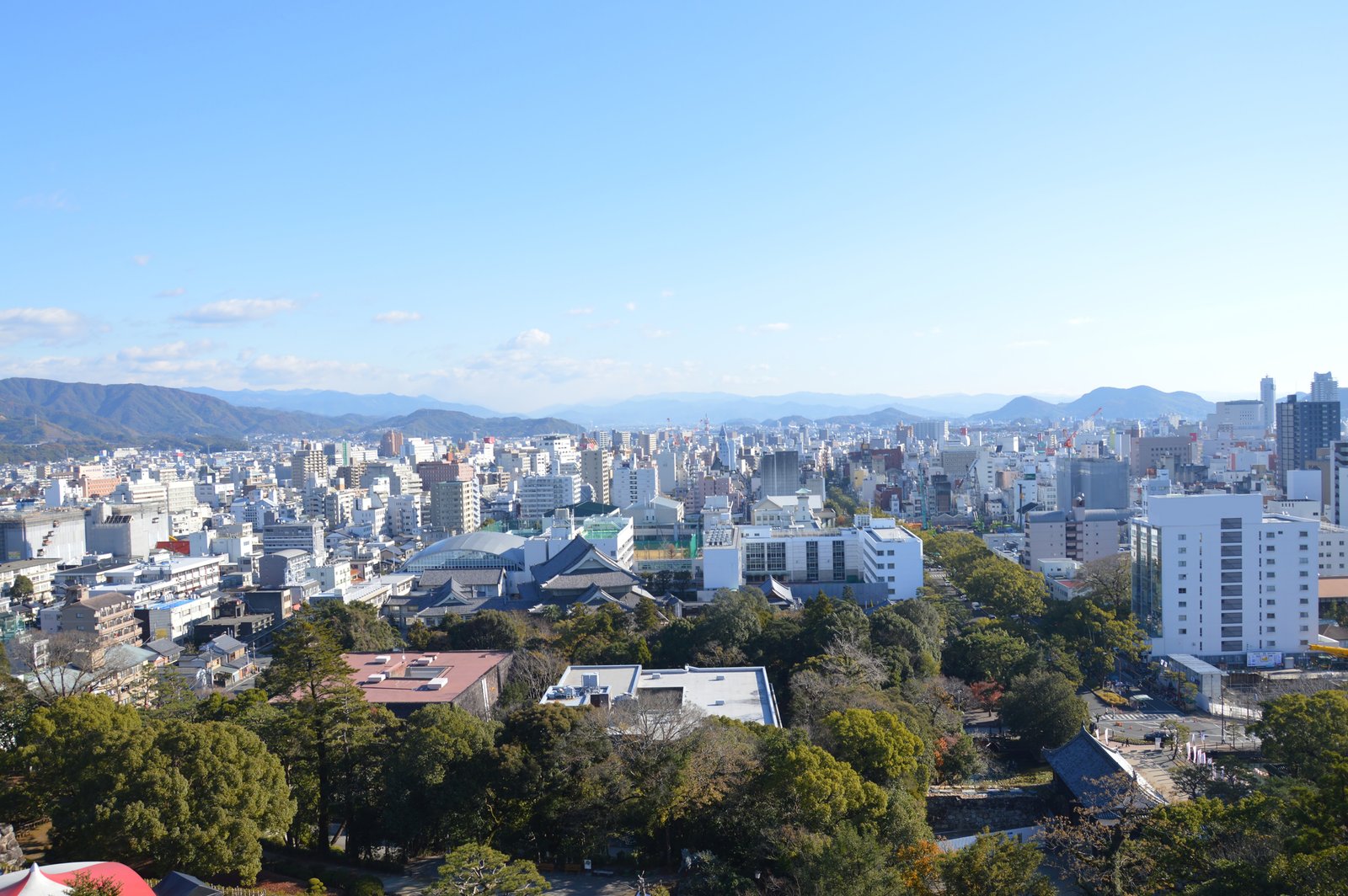

Food scene in Hiroshima is a mix of old and new, inviting visitors to enjoy stories as deep as its flavors. On your travel, you see how food connects the city’s past and present. Okonomiyaki with cabbage and soba noodles, fresh Seto Inland Sea oysters, and steaming ramen tell you stories of hope and happiness.
While the Peace Memorial Park is key to Hiroshima’s story, its food tells other tales. This guide shows a side of this city where food is a journey of discovery. Every meal here celebrates life and creativity.

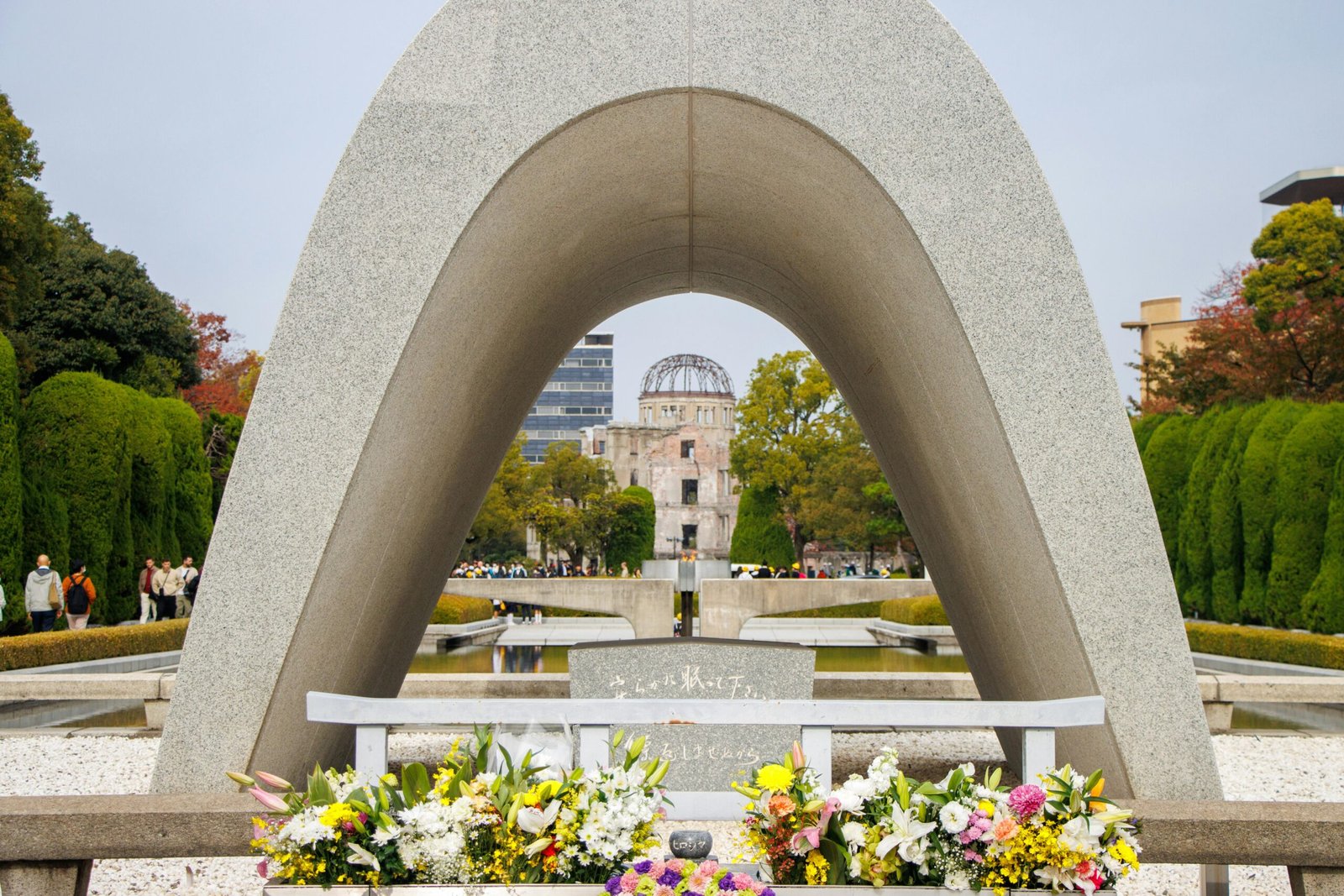
The Atomic Dome In Hiroshima Is Now A Memorial For Peace. Before 1945, This Building Used To Be The Chamber Of Commerce. It Is Now Unesco World Heritage.
Key Takeaways
- Hiroshima’s culinary identity merges historical reverence with bold contemporary flavors.
- Iconic dishes like layered okonomiyaki and Miyajima oysters define its culinary soul.
- Hidden family-run eateries preserve generations of culinary wisdom.
- Seasonal ingredients make Hiroshima a year-round destination for Japanese culinary travel.
- This guide offers an intimate Hiroshima dining experiences journey, honoring both heritage and modernity.
Savoring Hiroshima: More Than Just Historical Landmarks
Your first visit of this city is a quiet moment of respect for its history. But the city’s true spirit is in its markets. There, the Hiroshima food culture comes alive like a living legacy. The authentic Japanese cuisine here is more than food—it’s a way of speaking about strength.
As you walk through Hatchobori’s morning market, you see octopus vendors laughing with regulars. Their hands move quickly, slicing fresh catches. This is local eating in, where every meal is a shared tale.
In a tucked-away izakaya in Asakita Ward, you meet a chef who quietly shares the legacy behind his dishes. He tells you about the layered okonomiyaki, cooked on charcoal griddles passed down through generations. His words linger with you as you sip the gentle yudofu broth—its warmth feels like the city’s quiet way of speaking back through time.
| Element | Example | Tradition |
|---|---|---|
| Okonomiyaki batter | Layered with cabbage and soba noodles | Symbol of post-war ingenuity |
| Seafood markets | Seto oysters shucked at dawn | Guardians of seasonal abundance |
| Family-run stalls | Momiji manju pastries filled with adzuki | Recipes preserved for seven generations |
Every street corner tells a story. It’s a city where the past and present meet in a bowl of ramen or a steaming pancake. Here, healing happens through food, one authentic Japanese cuisine dish at a time.
The Signature Dishes That Define Hiroshima’s Culinary Identity
Exploring this city, you find that its food tells stories older than its buildings. Four dishes are key to its culinary heart. They show the region’s pride and skill.
Hiroshima-Style Okonomiyaki
The Hiroshima-style okonomiyaki turns the savory pancake into a masterpiece. It’s made in layers, with batter, pork, and yakisoba noodles in soy sauce. Each part is unique yet works together perfectly.
Your first try at a busy stall shows how okonomiyaki is different in this city. It has crisp, airy layers, unlike Osaka’s.
Hiroshima Oysters
Hiroshima oysters come from the Seto Inland Sea and are loved in winter. They’re grilled with lemon or steamed, showing their sweet, salty taste. At a market, you see chefs shucking them live, revealing their freshness.
Tsukemen Ramen Hiroshima
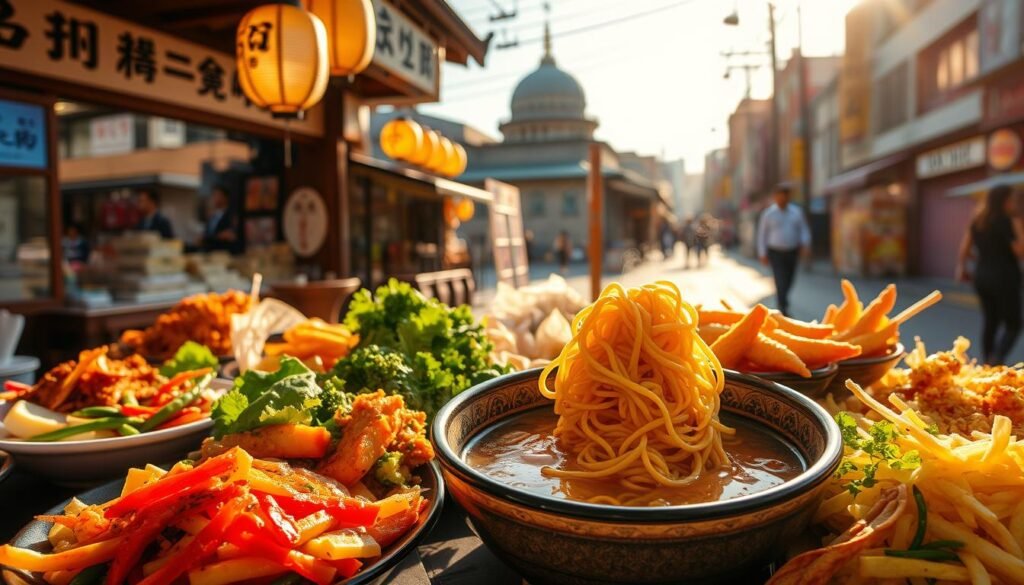
Tsukemen ramen Hiroshima is all about dipping noodles in a rich soy broth. A small alleyway stall teaches you to enjoy the sauce first, then the tender pork. For more on this dish, check out ramen recipes inspired by Hiroshima.
Momiji Manju
Momiji manju are maple-leaf shaped cakes filled with sweet adzuki paste. They’re sell at Miyajima shrines as special treats. Their soft dough and warm filling are a delight.
| Dish | Taste Profile | Iconic Spot |
|---|---|---|
| Hiroshima-style okonomiyaki | Crisp batter, smoky pork | Okonomiyaki Street |
| Hiroshima oysters | Briny, buttery | Oyster Festival stalls |
| Tsukemen ramen | Umami-packed broth | Nakadori Alley shops |
| Momiji manju | Sweet bean paste | Miyajima Torii Bridge vendors |
These dishes are more than food; they’re treasures. Each bite connects you to city’s history and traditions. They show that its flavors are as lasting as its past.
A Complete Culinary Tour of Hiroshima: Neighborhood by Neighborhood

Exploring city’s food scene starts with its Hiroshima food districts. Each area tells a part of the city’s food story. If you’re looking to eat in this city, this guide uncovers unique spots.
Your exploration of these Hiroshima restaurant neighborhoods begins in the city’s lively heart.
Downtown Hatchobori and Nagarekawa: The Heart of Hiroshima’s Food Scene
In Hatchobori and Nagarekawa, the city buzzes with evening crowds. Food halls are alive with okonomiyaki stalls. Look for grilled batter to see chefs making layered dishes.
Sushi bars here are as good as Tokyo’s. Their menus celebrate the Seto Inland Sea’s seafood. Tip: Visit at dusk for a beautiful view of the riverside.
Yokogawa: The Hipster Food District
Yokogawa is known for its unique izakayas and tsukemen spots. Young chefs here offer creative twists on classics, like oyster ramen with yuzu broth. The area comes alive at night with craft sakes in hidden bars. Explore and find new places at every turn.
Miyajima Island: Sacred Flavors with a View

Picture scene of the iconic Itsukushima Shrine torii gate on Miyajima Island, Hiroshima, Japan.
“The salt of the Seto Inland Sea lingers in every bite here.”
Dining on Miyajima feels like a spiritual journey. Street carts near Itsukushima Shrine offer steamed buns with maboroshi oysters. Their flavor is perfect with the sea breeze.
Temple kitchens serve shojin ryori, vegetarian meals that match the view of the torii gate. The Miyajima food guide points to spots like Okonomimura, where okonomiyaki chefs compete in an open-air kitchen.
Whether following the Hiroshima culinary map or enjoying temple food, these areas make every meal an adventure.
From Street Food to Fine Dining: Options for Every Budget
Your journey through Hiroshima’s flavors takes you to lively food markets and fancy restaurants. You see that affordable eating can match the best upscale restaurants. Start with street food, like smoky anago skewers from vendors with decades of experience. These vendors fill morning markets, serving delicious bites that please both your wallet and taste buds.
A warm nikuman bun, costing less than $2, packs a punch of umami from old recipes.
For under $20, family-run budget-friendly Japanese food spots offer teishoku (set meals). At a hidden izakaya in Nakadori, you can share stories with a third-generation owner who gives free miso. Their grilled mackerel with pickled ginger is a best treat.
Even upscale restaurants make luxury accessible. At Kikunoi, a Kyoto-style kaiseki temple, chefs turn local clams into art. Yet, the same clams are a hit in street-side hot pots for just $8. This shows Hiroshima’s heart—every yen spent has a story.
| Category | Example | Price Range | Location |
|---|---|---|---|
| Street Food | Anago Yakiniku stalls | $2–$5 | Peace Park area |
| Mid-Range | Maruyama-ya (okonomiyaki) | $10–$25 | Hatchobori |
| High-End | Kikunoi Hiroshima | $80+ | Miyajima Island |
Every meal here, from a 50-yen mochi to a 20,000-yen kaiseki, celebrates Hiroshima’s terroir. The city’s culinary democracy means discovery is always around the corner.
Hidden Gems: Local Eateries Only Residents Know About
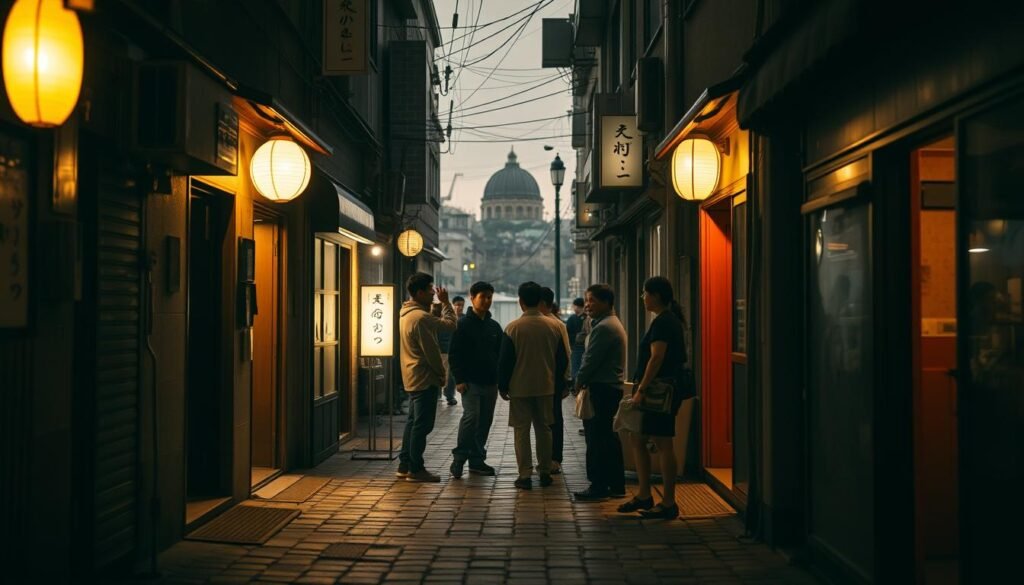
You’ll find city’s hidden culinary gems tucked into cobblestone alleys and glowing under neon-lit bridges—far from tourist maps but loved by locals for generations. Your first taste of awabi no tamagotori, a comforting scallop-and-egg hotpot, might come from a tiny kappo kitchen quietly operating behind a neighborhood laundromat. These are the kinds of places where real flavor lives—quiet, soulful, and unforgettable.
Family-Run Restaurants Serving Recipes Passed Down Generations
At vinegar-marinated gems like Yasaiya Sato in Kakinohoshi, you don’t just eat—you inherit secrets dating back to 1897. These beloved local spots value patience as much as flavor. You might need to send a handwritten reservation request, and once you’re in, expect the service to unfold as slowly and deliberately as the dashi simmering on the back burner. It’s not fast food—it’s slow magic.
The third generation chef gives you shirako caviar. It shows that curiosity, not Google, leads to these treasures.
Late-Night Food Spots for Authentic Local Experiences
At 2 a.m., yakitori at Midoriya is filled with laughter from sommeliers. This non-touristy spot offers tebasaki chicken wings with miso, served family-style.
“Recipes here change with the moon phases,” the owner whispers, igniting skewers of tori no sashimi as dawn approaches.
Hiroshima Sake Bars Featuring Regional Brews
In Asakura district, sake-ya counters showcase sake artistry. At Yakko no Sakeya, a brewmaster uses 19th-century methods. He pairs each sake with hamaguri clams from Onigajo Bay.
For those seeking true dining, authentic Hiroshima dining is available. Just come with curiosity, no itinerary needed.
Seasonal Specialties: When to Visit for Unique Food Experiences
In Hiroshima, the peak of Japanese seasonal cuisine is called shun. It’s when ingredients are at their best. Winter brings the Oyster Festival, where oysters are grilled and served.
Spring brings delicate sweets with cherry-blossom salt. Summer’s riverside spots grill ayu fish with buckwheat noodles. Autumn’s wild mushrooms are used in kaiseki courses.
“The seasons here are the chef’s calendar,” says Chef Yuki of Miyajima’s kappo kitchen.
Use the Hiroshima food calendar to plan your visit. Enjoy winter’s oyster festival or autumn’s sake harvest. Each dish is a tribute to the seasons.
Unforgettable Meals in Hiroshima
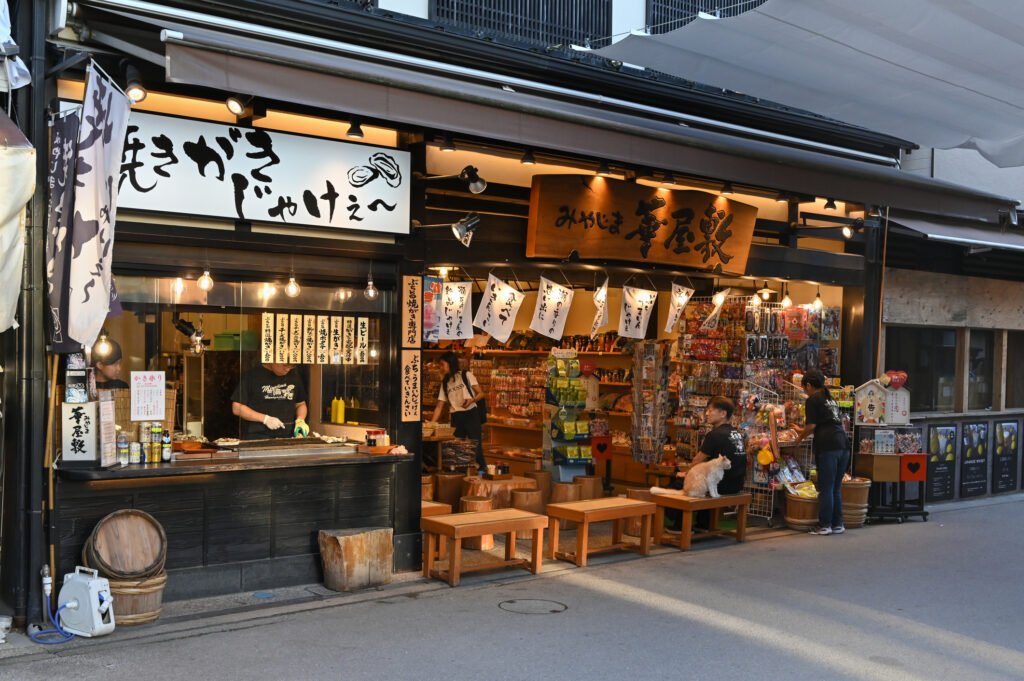
Every bite in this city tells you a story. It’s about tradition, skill, and moments that change how we taste. These spots are where your journey find its heart.
The Okonomiyaki Counter That Changes Life
At Arima, a top Hiroshima eatery, you see okonomiyaki magic. The chef’s hands move fast, mixing cabbage, pork, and batter perfectly. It is more than a pancake—it’s a lesson in balance.
The smell of the grill, the crunch of tempura, and the sauce are like liquid gold. It set the bar for must-eat food.
Seafood Experiences Worth Traveling For
Early mornings with local fishermen shows you Miyajima’s secrets. At Kurashikiya, their kaisendon—fresh seafood over rice—is a taste of the sea.
The salty taste of uni and the soft mirugaii are unforgettable Japanese meals. They’ll make you fall in love with seafood.
Sweet Endings: Dessert Spots That Showcase Japanese Ingenuity
These places turn Hiroshima’s art into small, perfect bites:
| Spot | Specialty | Note |
|---|---|---|
| Kamigatake Heiwa Store | Sakura Mochi with yuzu | Food critic Hiroshima favorites |
| Maruyama Honpo | Matcha daifuku | Seasonal innovation |
| Yasai no Yume | Cucumber kanten jelly | Modern takes on tradition |
Each dessert is a balance of sweet and earthy, texture and beauty. These tastes stay with you like poetry.
Navigating Dietary Restrictions: Vegetarian, Vegan, and Gluten-Free Options
Your journey through Hiroshima’s kitchens shows you something new. Even with a dashi-rich culture, there’s room for change. For those who avoid animal products or gluten, the city has answers.
Buddhist temple restaurants serve shojin ryori, a plant-based Japanese cuisine with a long history. These time-tested recipes show that vegetarian food in this can be as good as any meat dish.
At Myoshin-ji’s tea house, you find tofu-based suimono broths that change your view of vegan Japanese restaurants. The secret is finding places where chefs truly understand shojin ryori. Here, plant-based meals are celebrated, not seen as a compromise.
For gluten-free options in Hiroshima, areas like Yokogawa are now great places to find rice noodle dishes and tamari soy sauce. This shows how is getting better at catering to different diets.
- Request kikunae
- Ask for mugi-nuki (wheat-free) options
- Visit Yasai Shokudo for daily vegetable bowls
“Constraints spark creativity,” a Miyajima chef tells you, while present a gluten-free okonomiyaki with rice flour. This mindset fuels Hiroshima’s adaptability.
Vegan travelers should always check ingredients, as dashi can contain kelp and konbu. But the rewards are worth it, like moyashi stir-fries or kanten desserts. Dietary restrictions in Japan don’t hold back city’s flavors; they open up new discoveries.
Conclusion: Crafting Your Own Culinary Adventure in Hiroshima
Starting a food journey in Hiroshima is like entering a story of rebirth and tradition. Every dish has a tale to tell. Whether you’re planning a food tour or just visiting, let your taste buds lead you. You’ll find everything from bustling markets to cozy family kitchens.
A food tour in this city is more than just eating. It’s a deep dive into the city’s heart. Each bite of okonomiyaki or Seto Inland Sea oyster tells you a story of resilience and creativity.
Start with a day trip to Miyajima for momiji manju and Hatchobori for ramen. Then, spend a week exploring seasonal foods across different areas. Ask locals for their favorite spots, like hidden izakayas or morning markets.
Every visit adds a new chapter to your Japanese culinary adventure. City’s spirit shines through in every dish. Let your curiosity guide you to discover more of this city’s flavors.
Whether you’re enjoying tsukemen under neon lights or following the smell of grilled mussels, Hiroshima’s food invites you to explore and return.