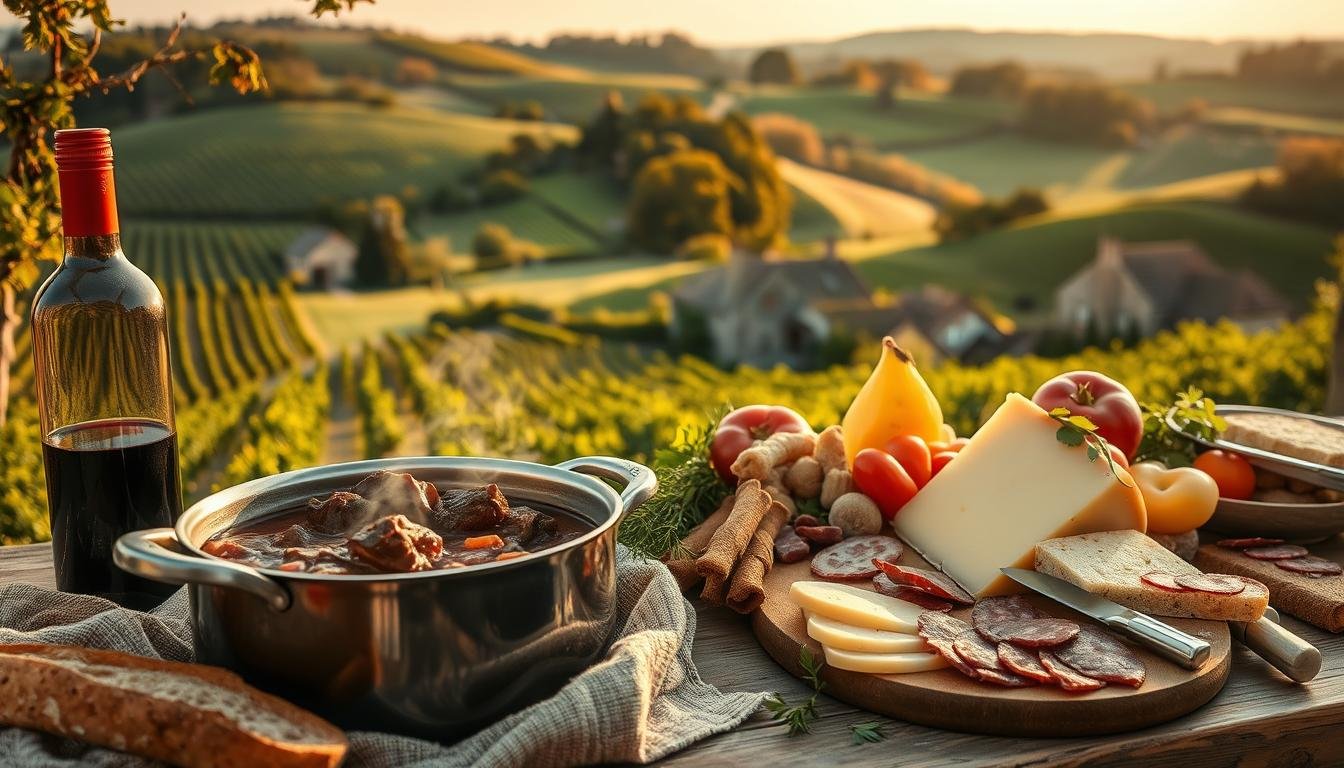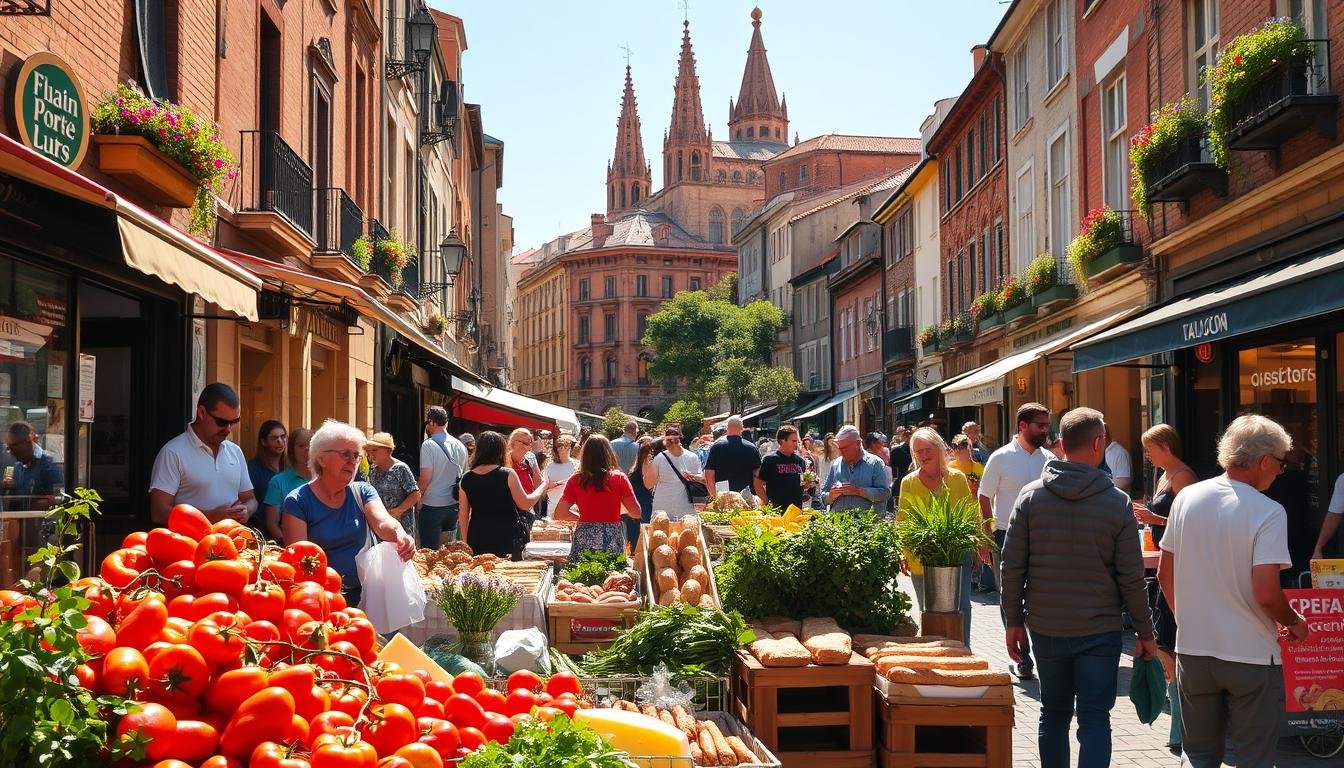


Bonnieux, in the Luberon Valley, caught my eye with its terraced streets and vineyards. The smell of rosemary bread and slow-cooked stews drew me in. Here, Provençal cuisine meets Luberon food specialties in a unique way.
Bonnieux’s food isn’t just about eating. It’s a mix of tradition and the land, where every bite tells a story. You’ll taste sun-kissed olives, wild truffles, and recipes from long ago. This tour is more than food; it’s a chance to feel the village’s soul.
My first memory of Bonnieux’s markets is vivid. Vendors arranged violet artichokes next to tapenade, while truffle hunters shared their stories. The food culture here is both old and new, blending history with fresh ideas.
Every corner, from sweet patisseries to farm-to-table bistros, shows why Bonnieux is a culinary gem in France.
Key Takeaways
- Bonnieux’s terraced hills and historic markets are central to its Luberon food specialties.
- Provençal cuisine in Bonnieux emphasizes seasonal ingredients like truffles, lavender, and sun-dried tomatoes.
- A culinary tour of Bonnieux reveals how tradition and innovation coexist in its restaurants and family-owned artisanal food shops.
- Local dishes highlight olive oil pressed from Luberon groves and herbs grown under the Mediterranean sun.
- Bonnieux’s dining scene balances rustic charm with refined techniques, making it a must-visit for food lovers.
Discovering the Provençal Gem of Bonnieux
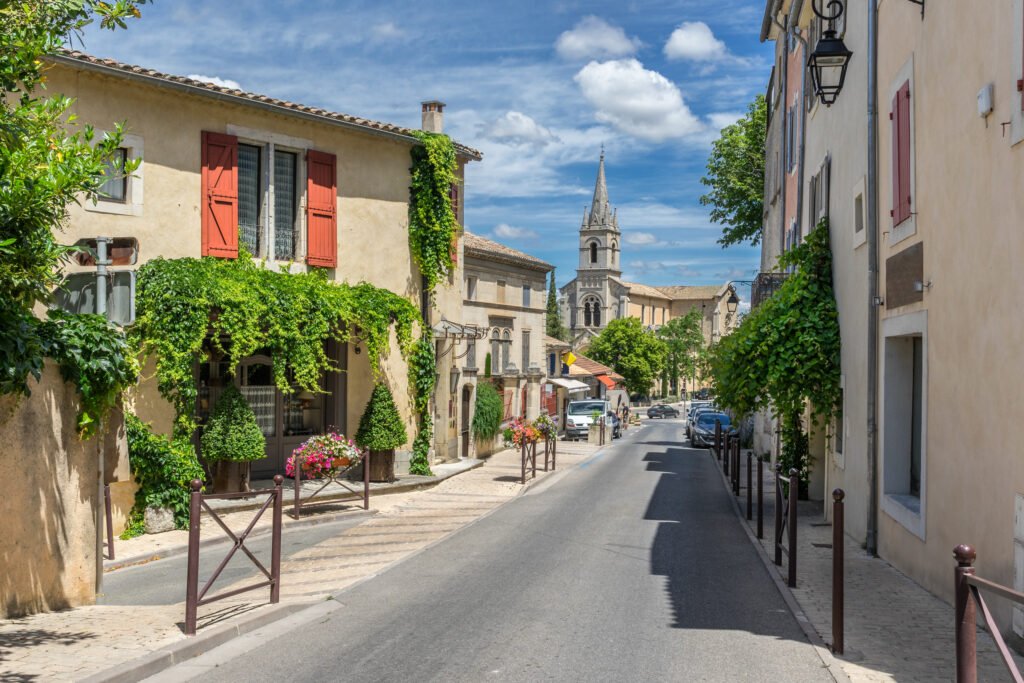
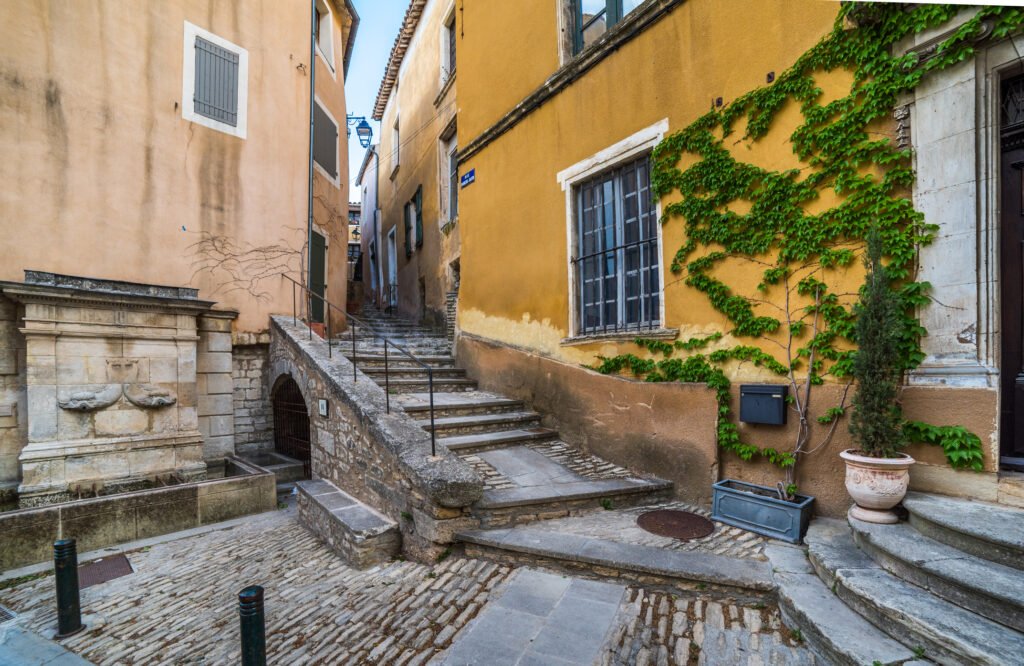
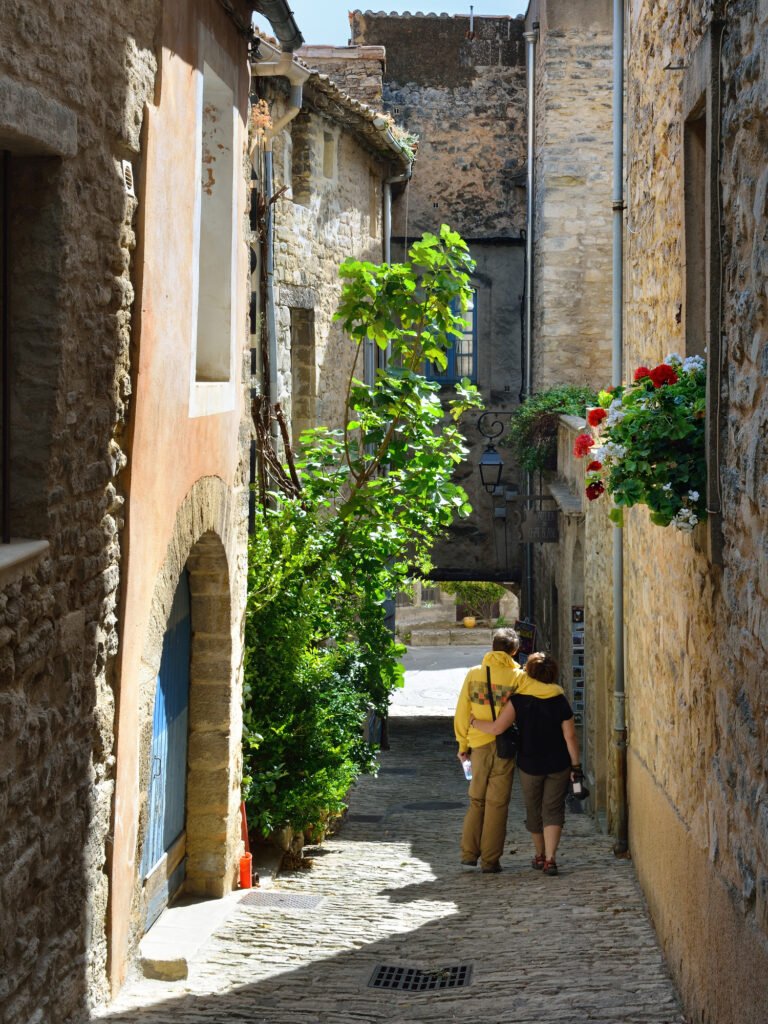
Bonnieux sits high above the Luberon Valley, with its cobblestone streets telling stories of the past. My first steps here showed me a village where time moves to the beat of Provençal food history. It’s nestled between mountains, creating a unique Mediterranean climate cuisine.
The village’s history as a medieval trading hub is seen in its flavors. Merchants once traded saffron and herbs in markets now brought back by local artisans. Walking past ancient stone walls, I discovered how Renaissance techniques flavor dishes like lavender-infused cheeses. Epicurean Escape guides show how these traditions live on today—explore their curated itineraries to see Bonnieux’s culinary roots.
Historical Layers in Every Bite
Bonnieux’s history as a crossroads for traders and pilgrims is evident in its food. Their exchanges added spices and techniques to local recipes. The village’s archives reveal how medieval olive presses still make today’s extra-virgin oils.
Geography’s Culinary Blueprint
Bonnieux is 1,148 feet above sea level, with slopes that create perfect conditions for truffles and herbs. The valley’s limestone bedrock is seen in terraced vineyards, making its red wines and rosemary pastries unique.
Why Bonnieux Shines Among Luberon Villages
While Gordes has fortified walls, Bonnieux is known for its artisanal truffle festivals and medieval market layouts. Unlike Roussillon’s ochre cliffs, Bonnieux focuses on slow-cooked stews and seasonal herb blends. Here’s how Bonnieux compares to its neighbors:
| Category | Bonnieux | Gordes | Roussillon |
|---|---|---|---|
| Iconic Dish | Truffle-stuffed ravioli | Herb-crusted lamb | Lavender honey tarts |
| Signature Ingredient | Wild porcini | Quince paste | Amber resin wine |
Every bite in Bonnieux is a mix of past and present. Roman irrigation channels water herb gardens, and Renaissance-era bread recipes are made in modern ovens. Bonnieux’s identity is in every dish, making it a standout among Luberon Valley villages.
The Essential Culinary Tour of Bonnieux: What to Expect
Start your Bonnieux food tour like I did, exploring this food lover’s paradise. My culinary itinerary Provence mixes planned stops with room for surprises. Begin at L’Épicerie du Luberon at dawn, where you’ll find sun-dried tomatoes and olive oils shining in the morning light. Try herbed goat cheese or figs still warm from the sun for a taste of Provence.
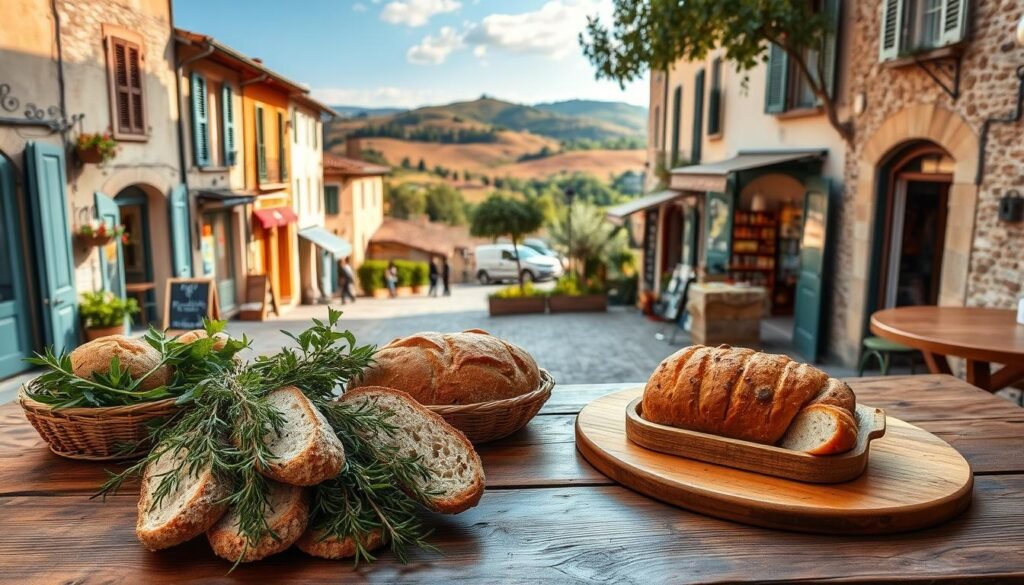
Start your day like the locals at Boulangerie Le Pain des Remparts. Here, the smell of buttery croissants and walnut bread fills the air. By midday, visit the market square. Vendors offer rosemary-scented focaccia and honey from the hills. Lunch at La Table des Selves is under olive trees, with rabbit stew and rosemary.
- Pair truffle-infused dishes in winter with robust Gigondas wines
- Summer visits highlight lavender-infused syrups and chilled soups
- Ask bakers at Boulangerie Le Pain des Remparts for “la recette traditionelle” secrets
Remember to leave time between stops. The Luberon’s paths lead to vineyards, perfect for detours. A gastronomic exploration Luberon is all about the unexpected. Like finding a cheese-maker’s cellar open or trying wild honey from a street vendor. Enjoy the slow pace, where every bite shares a story of the land and tradition.
Truffles: Bonnieux’s Black Gold
Before dawn, the forests near Bonnieux share secrets with truffle hunters’ dogs. I joined Jean-Pierre, a third-generation trufficulteur, and his dog Milo. Together, they explored the Luberon’s oak groves. The air was filled with the scent of damp soil and autumn’s chill.
Milo’s paws moved the soil, speaking a silent language. This is black truffle hunting Provence, a mix of tradition and nature’s beat.
Understanding Truffle Hunting and Harvesting
Truffle hunters in Bonnieux use old wisdom and their dogs’ keen sense. The oak roots and truffle spores live in harmony in the region’s soil. But, changing climates are a threat.
“Warmer winters mean shorter seasons,” Jean-Pierre said, holding a prized Tuber melanosporum. His words stayed with me, like the truffle’s scent.
Seasonal Variations and Best Times to Experience Truffles
The Bonnieux truffle season is best from November to March. This is when winter truffles are at their peak. Summer brings a lighter Tuber aestivum in June.
January’s Truffle Festival is a great time to see Luberon truffle dishes at markets. Or, enjoy September’s last summer truffles under the sun.
Signature Truffle Dishes That Define Bonnieux
At Café Forêt, a simple toast with truffle became a moment of truth. Nearby, La Bastide turns simple recipes into art. They feature Provençal truffle recipes like creamy pasta and honey-truffle ice cream.
Chefs here let the truffle be the star. They let its flavor shine without hiding it.
“A truffle’s perfume is fleeting; we honor it by letting it shine,” said Chef Élodie at Le Jardin des Saveurs. Her words were a reminder as we enjoyed Luberon truffle dishes.
Olive Oil and Tapenade: The Mediterranean Essentials
Walking through Bonnieux’s olive groves, I felt the sun’s warmth and the earthy scent of olives. The Bonnieux olive oil production here is a mix of tradition and terroir. At a family-run mill, I saw stone wheels turn olives into Provence olive varieties like Aglandau and Picholine.
Their blend captured the region’s essence. The oil had grassy notes and hints of artichoke, showing the Mediterranean olive traditions passed down through generations.
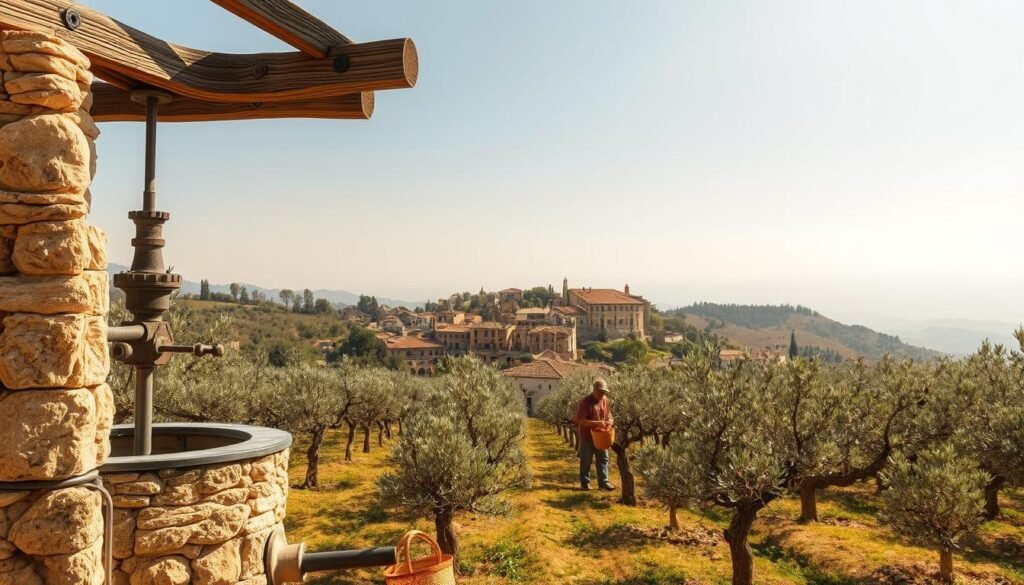
Making artisanal tapenade with Madame Rousset was just as captivating. She used a mortar and pestle, saying modern machines overheat the olives. Her secret recipe included briny Niçoise olives, capers, and brandy.
Each ingredient’s crunch and saltiness reminded me of Provençal markets. It was a revelation.
Pair these treasures with crudités dipped in pesto hummus, or drizzle oil over grilled vegetables. For travelers, many mills now offer global shipping. This makes it easy to take Bonnieux’s flavors home.
Every bottle and jar tells a story—of sun-drenched groves and hands that honor ancient methods. This is where tradition becomes a taste.
Beyond the Basics: Unexpected Delicacies of Bonnieux
Exploring Bonnieux, I followed the smell of aged cheese to a small farm. There, artisanal Provençal cheese is made. Madame Berger’s goat dairy is where the magic happens. The cave shows how cheese ages, changing with the seasons.
Her goats eat wild herbs and grass, adding to the cheese’s flavor. This mix of time and place is Bonnieux’s secret.
Next, I visited the apiaries where Bonnieux honey is made. A beekeeper shared,
“Every hive tells a story of soil and sky.”
Their honey is amazing, with flavors from lavender fields. You can taste it in foods like lavender shortbread or a duck breast glaze. Even the sorbet here is special, with a hint of lavender.
Seasonal fruit desserts in Luberon are a treat all year. At La Table de Pierre, you might find:
- Spring strawberries with cream and Bonnieux honey
- Summer apricots in tarts
- Autumn quince jams in compotes as rich as Verona’s wines
- Winter candied citrus that’s full of summer light
These dishes are more than food. They’re a conversation between the land and the chef. Each bite shows Bonnieux’s skill in making simple things beautiful.
Market Day Experiences: Where Locals and Tourists Converge
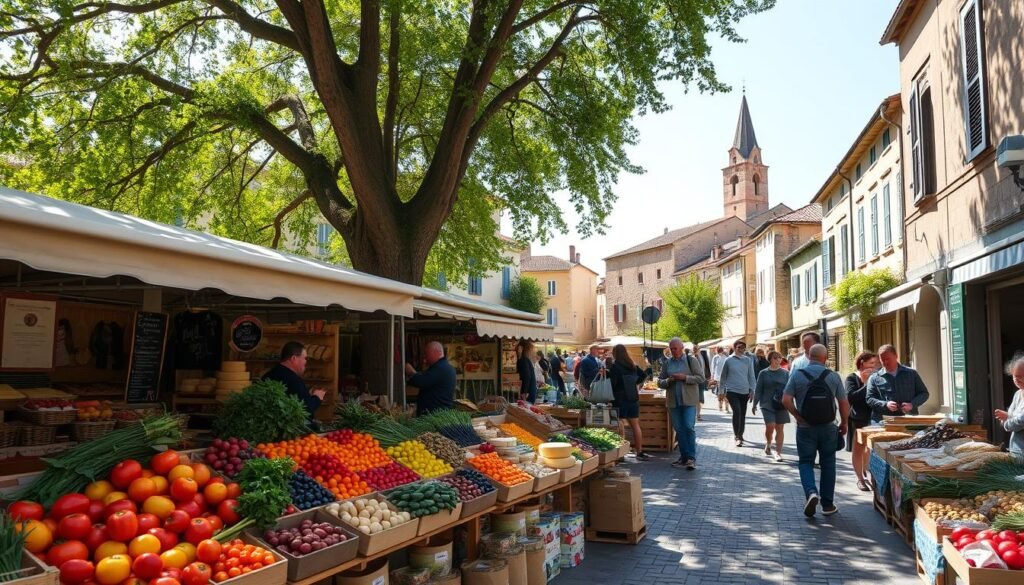
Arriving at Bonnieux’s Friday market at dawn is like stepping into a Provençal farmer’s markets scene frozen in time. The Place Gambetta turns into a colorful symphony with sun-ripened peaches and truffle-infused oils. Start at Café de la Place with an espresso. Watch how locals greet vendors by name before you browse.
My first tip? Bring small bills and let vendors handle produce. Touching olives or figs before they’re offered is a faux pas locals notice.
Secrets of Bonnieux Market Navigation
Master the Luberon street food ritual with these steps:
- Begin at the charcuterie stalls for artisanal saucisson tasting samples
- Proceed clockwise to avoid backtracking through crowds
- Save charcuterie and cheese purchases until last to keep them chilled
Market Day Must-Tries
| Specialty | Description | Seasonal Highlight |
|---|---|---|
| Socca | Crispy chickpea pancake from the cast-iron grill | Year-round street food staple |
| Pissaladière | Onion and anchovy tart from the Boulangerie du Luberon | Autumn’s caramelized onions at peak sweetness |
| Fougasse | Olive-studded bread shaped like Provençal waves | Winter varieties with preserved lemon twists |
Shopping local markets Provence rewards those who linger. Ask vendors like Dominique at the lavender honey stall about her family’s 50-year-old beekeeping methods. For first-timers, Epicurean Escape’s market tours decode hidden gems like wild fennel shoots or rosemary-infused soaps. Remember to pack a wicker basket. That perfect farmhouse cheese is best enjoyed picnic-style on the Place des Arcs terrace.
Wine Pairings: Complementing Bonnieux’s Gastronomic Offerings
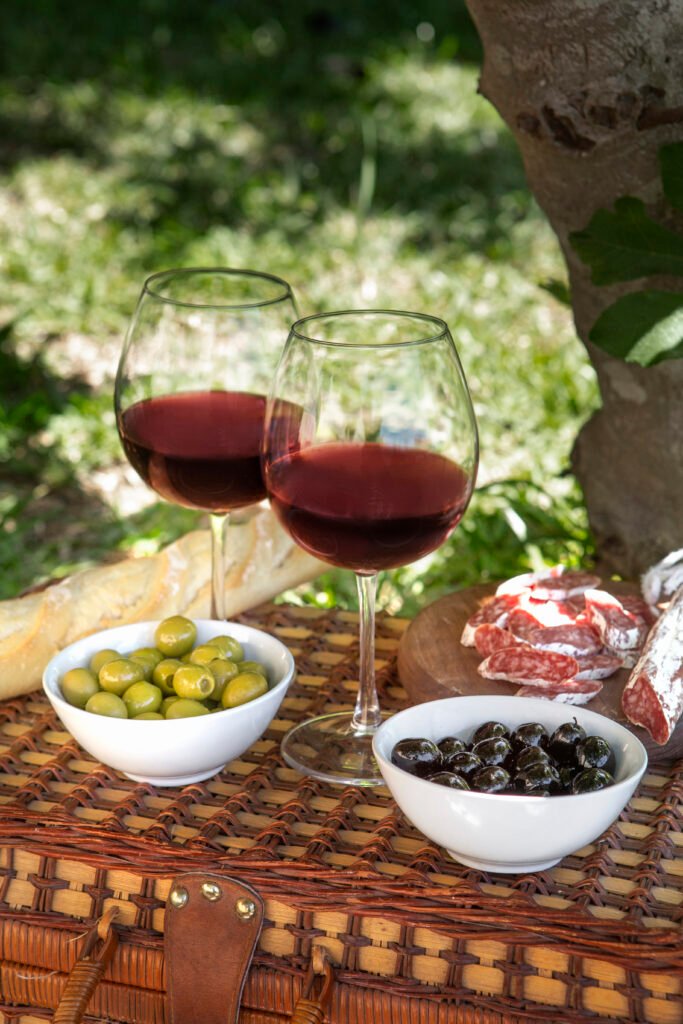
My journey into the Luberon wine region started in a sunny vineyard. There, a family shared glasses of rosé with their hands stained from the earth. In Bonnieux, wine is more than just a drink—it’s what brings meals together. The Bonnieux wine pairings here are all about finding the right balance.
Crisp whites from southern French vineyards cut through the richness of herb-crusted meats. Ripe reds, on the other hand, pair perfectly with the region’s earthy truffle dishes.
At a Provençal wine tasting, I saw how sommeliers pair Luberon’s rosés with garlic-infused vegetables. I tried this myself with a 2020 Côteaux d’Aix-en-Provence rosé and a fennel salad. Here’s what you should check out:
| Dish | Wine | Why It Works |
|---|---|---|
| Goat cheese tart | Minerally Clairette | Acidic snap contrasts creamy richness |
| Truffle risotto | Syrah from nearby Gigondas | Earthy tannins mirror woodland flavors |
| Lavender honey cake | Rosé vinified from Mourvèdre | Sweetness meets bright citrus notes |
One producer near Bonnieux talked about using organic methods to revive old techniques. “We let the soil speak,” said Jean, pointing to vines kissed by the mistral wind. The Provençal wine tasting culture here is all about simple, genuine moments.
Like the farmer who shared a cellar-aged blend from an unlabeled bottle. Its complexity spoke volumes, even without a label.
“Good wine needs no diploma,” he said, toasting with a 2007 Côtes du Luberon that tasted like liquid amber.
Pairing wine here is an invitation to enjoy the moment. To savor the sunset on vineyard terraces and taste how Luberon’s rosés reflect the golden light. Every glass has a story, one that’s as old as the stones of Bonnieux itself.
My Personal Favorites: An Opinionated Guide to Dining in Bonnieux
After years exploring Bonnieux’s streets, I found the best places to eat. These spots mix Provençal charm with simple yet amazing food. They are hidden gems in Bonnieux, offering the
Hidden Gems Off the Tourist Path
Discover these hidden gem eateries Provence where time stands still. Menus change with the seasons:
- Chez Maurice: Enjoy fougasse with truffle butter at a small counter. The chef talks about local greens.
- Domaine St. Felix’s Thursday lunches: Wild boar stew is cooked in a 19th-century hearth. Only eight people can eat.
- L’Épicerie du Matin: People wait at dawn for Philippe’s olive fougasse. It’s crispy and oily, baked twice a week.
Worth the Splurge: Fine Dining Experiences
For a special treat, try fine dining Luberon at La Bastide. Their truffle menu turns food into art. Each dish celebrates Luberon’s flavors, worth every euro.
Don’t pay for views alone. Choose places where the chef’s passion shines more than the decor.
Best Value Meals Without Compromising Authenticity
Authentic Provençal food is found in Bonnieux’s heart, not its tourist traps. Here’s where to eat well without spending a lot:
| Spot | Highlight | Price Tip |
|---|---|---|
| Café des Arts | Truffle-topped ratatouille with a glass of local vin rosé | Three-course lunch under €30 |
| Moulin des Saveurs | Community dinners with shared platters of roasted wild boar and rosemary-roasted lamb | Reserve months ahead for their Monday feasts |
| Marché du Lundi | Assemble picnics with aged goat cheese and thyme-salted almonds from the market stalls | Under €15 for a feast under plane trees |
These places are more than just meals. They are stories. At Domaine St. Felix, the winemaker’s mother shares family recipes. At Café des Arts, the owner’s father grinds olive oil every day. Bonnieux’s magic is in these moments, where every bite tells a story.
Conclusion: Why Bonnieux Remains a Culinary Haven Worth Experiencing
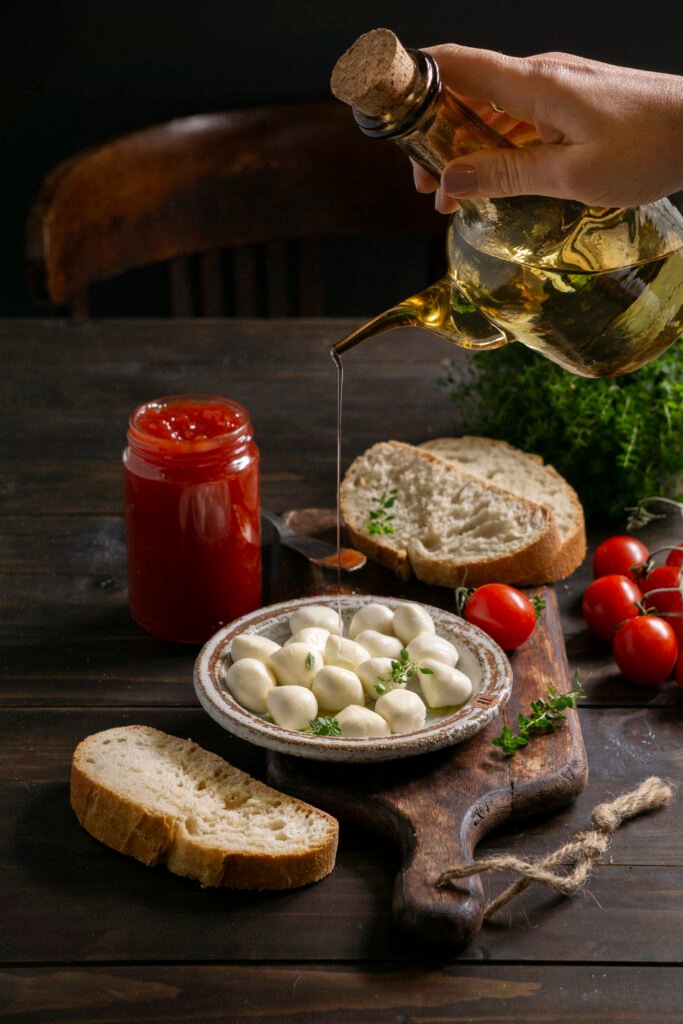
Every bite of Bonnieux’s traditional Luberon cuisine feels like a conversation across centuries. The village preserves its authentic Provençal food experience. From truffle-studded pâtés to tapenade crafted by generations, it shows a place where culinary tradition is both heritage and living art. Bonnieux isn’t frozen in time, though. Chefs here mix ancient techniques with modern flair, creating unique pairings and reviving old recipes.
Climate shifts and tourism pressures test this balance. Yet, the villagers adapt, whether changing truffle harvests or supporting sustainable vineyards. Their hard work keeps culinary tourism in Bonnieux authentic, not just a show. My own visits started with curiosity but grew as I learned the stories behind each dish.
What stays with you isn’t just the smell of truffle shavings or the taste of fresh tapenade. It’s the warmth of a shopkeeper sharing local wine, or a chef explaining heirloom tomatoes. Bonnieux’s magic is in how food connects past and present, strangers and friends. To visit is to taste a culture that values tradition and the hands that keep it alive.
As I leave Bonnieux, I remember its slow pace. This is a place where time lets flavors linger. For those looking for more than just famous dishes, Bonnieux offers a deep connection. Come hungry, but stay curious; the best discoveries here unfold when you let the village’s rhythms guide you.