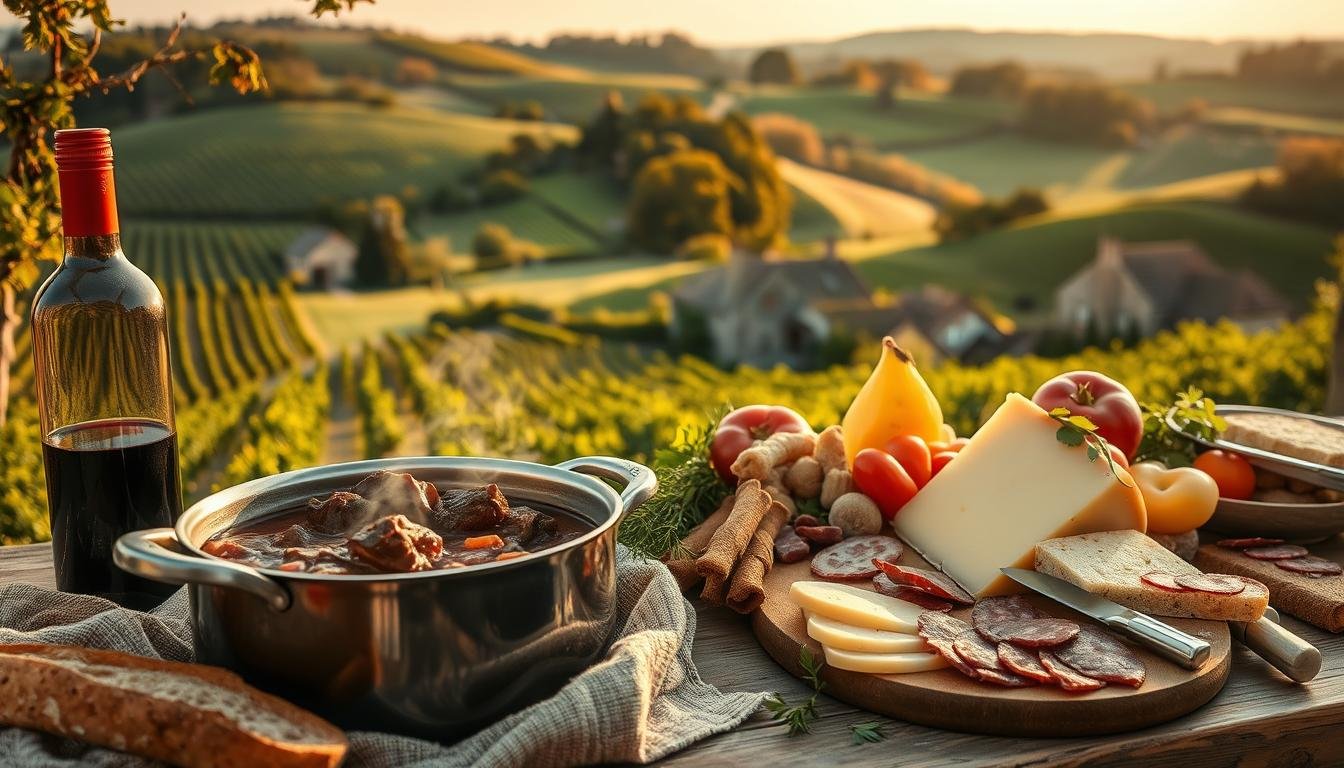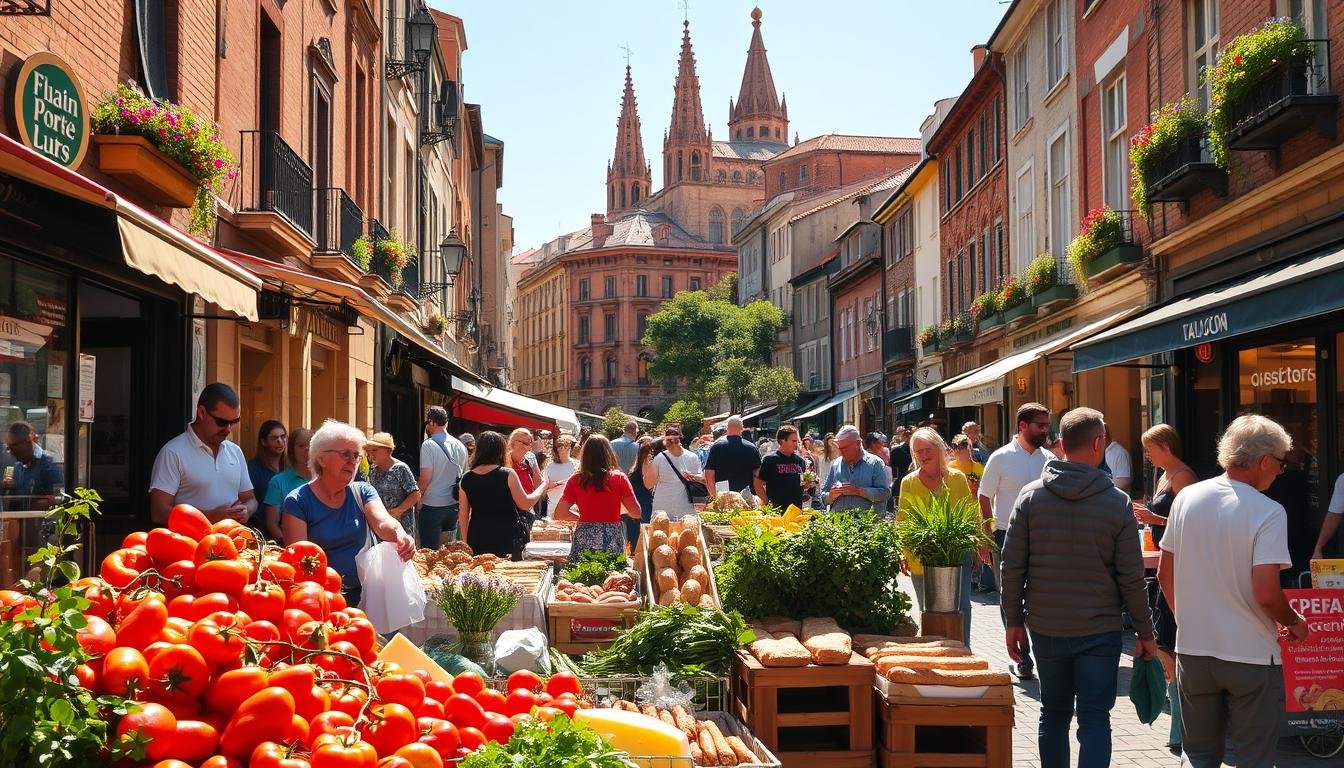


Stepping into Lyon felt like opening a centuries-old cookbook. The air was filled with the scent of buttery pralines and sautéed vegetables. Cobblestone streets led me to bustling markets and historic bouchons.
As France’s culinary capital, Lyon’s food heritage is more than just dishes. It’s a living story of tradition and passion. Your first bite of a warm quenelle will show you why Lyon is so revered in gastronomy.
Exploring Lyon,You’ll see how its culinary identity blends rustic charm with sophistication. Every corner told stories of Mères Lyonnaises, the pioneering chefs who made the city famous. This tour of Lyon France showed a place where each dish, from coq au vin to tarte aux pralines, is steeped in history yet feels alive.
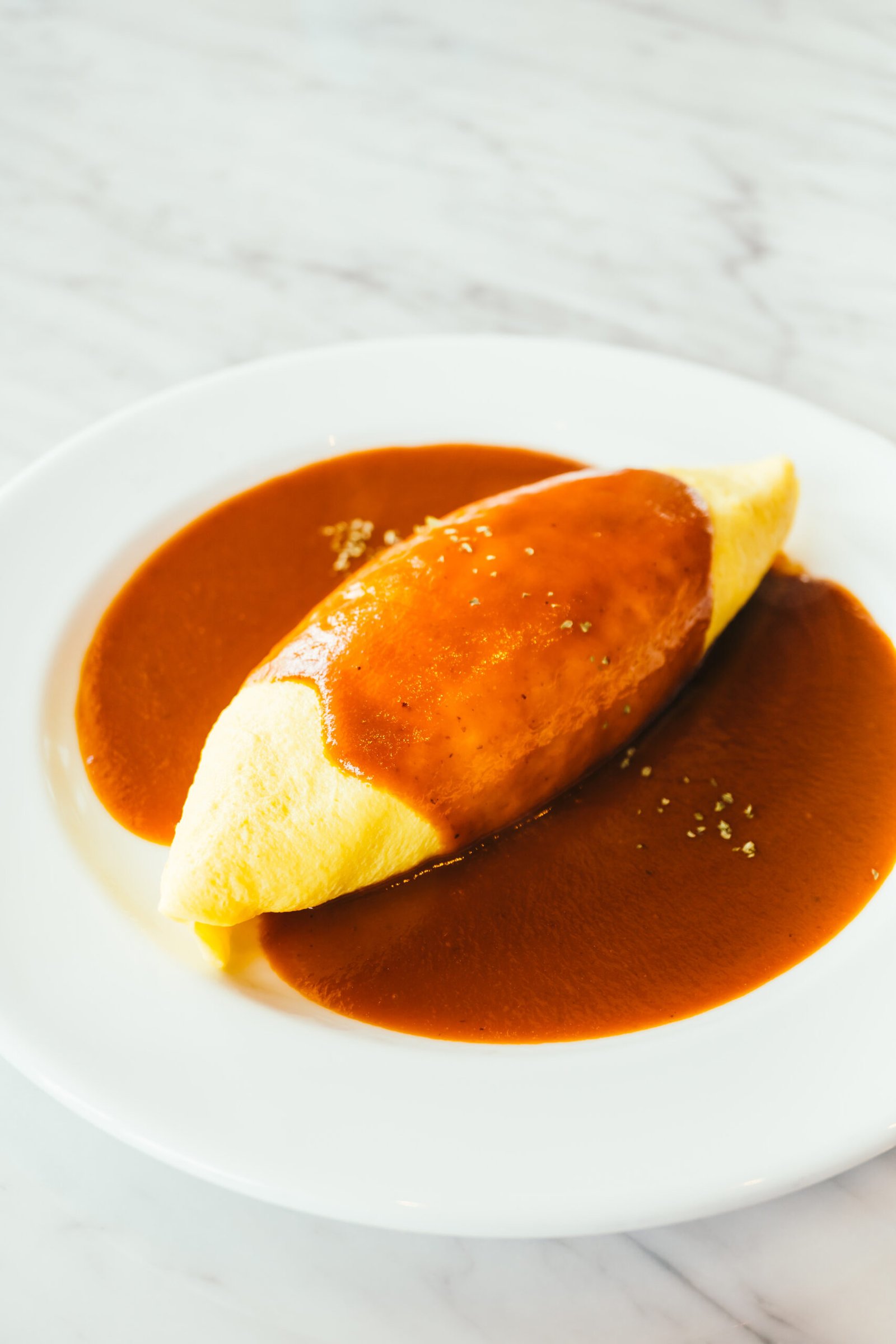
Lyon’s legacy isn’t just on menus. It’s in the hands of artisans, the aroma of freshly baked bread, and a glass of Beaujolais. The city feeds both body and soul with quiet pride.
Key Takeaways
- Lyon’s status as a French culinary capital stems from its centuries-old culinary traditions and iconic dishes like quenelles.
- The city’s food heritage intertwines cultural pride with everyday dining experiences in bouchons and markets.
- A culinary tour of Lyon France offers a sensory journey from hearty bistro classics to delicate pastries like pralines.
- Lyon gastronomy celebrates both historical recipes and modern innovation, appealing to explorers of all tastes.
- The city’s food culture is deeply tied to its people, from market vendors to chefs preserving ancestral cooking techniques.
Why Lyon Deserves Its Title as France’s Gastronomic Capital
Walking through Lyon’s streets, you’re greeted by the smell of sautéed lardons and fresh tarte aux pralines. This is more than just a smell; it’s a taste of history. Lyon is known as the Gastronomic capital of France for good reason. Its location at the Rhône and Saône rivers made it a hub for trade and tradition.
Ingredients from vineyards, forests, and mountains flowed into its kitchens. This culinary legacy is alive today in every bouchon menu.
The Historical Foundations of Lyon’s Culinary Prestige
Lyon’s Lyon culinary history goes back to Roman times. But it was the Renaissance that really made it shine. Wealthy silk merchants pushed chefs to be creative, turning simple ingredients into masterpieces.
By the 19th century, guilds protected these traditions. This ensured dishes like coq au vin and cervelle de canut stayed true to their roots. These traditions are the heart of Lyon’s culinary traditions of Lyon today.
How the “Mères Lyonnaises” Shaped the City’s Food Identity
The Mères Lyonnaises are key to Lyon’s culinary story. These women, like Mère Brazier and Mère Fillioux, brought life back to Lyon’s food scene after the war. Their dishes, like quenelles and pôele lyonnaise, symbolized resilience.
Today, their legacy lives on in Lyon’s bistros. Chefs still follow their methods, showing that tradition can evolve.
Your First Impressions of Lyon’s Unparalleled Food Scene
Stepping into a bouchon felt like stepping back in time. The flavors of walnut oil and beef stew were like a sensory journey. Every dish was a secret shared from the past.
In Lyon, food is more than just something to eat. It’s a conversation with history, filled with care and craft.
The Essential Lyonnaise Dishes Every Food Lover Should Try
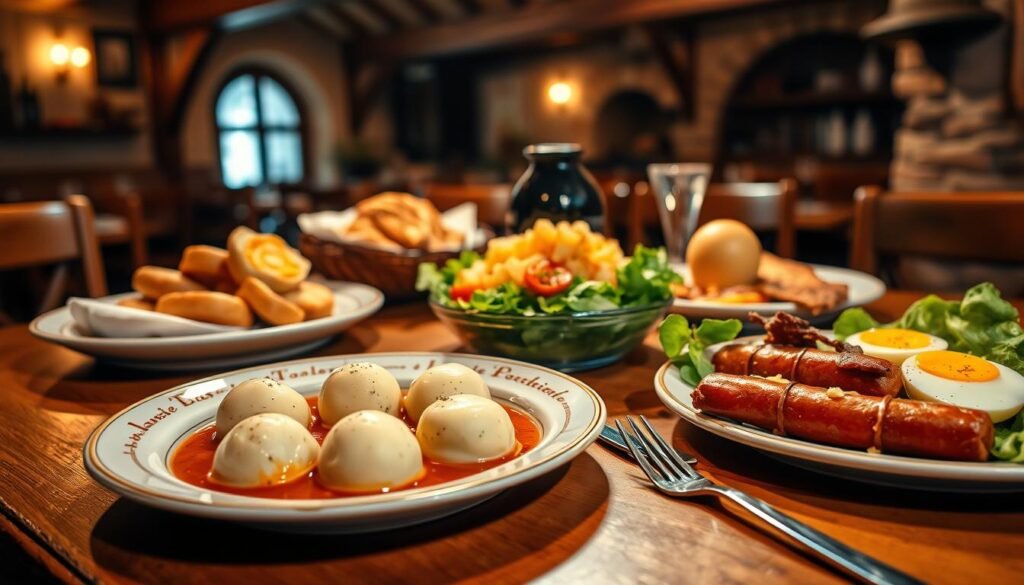
Your first taste of quenelles Lyon is unforgettable. It’s like a light cloud of fish and cream in crayfish sauce. This dish is more than food; it’s a lesson in patience and perfection.
Traditional Lyonnaise dishes are the heart of the city’s food scene. They connect history to the present, right on your plate.
In a cozy bistro in Vieux Lyon, I discovered the beauty of contrasts. Cervelle de canut, named after silk workers, is a tangy fresh cheese spread. It’s paired with a crisp vin jaune, cutting through the richness of Lyon’s must-try foods like andouillette.
Andouillette, a tripe sausage, may be divisive at first. But its smoky flavor and subtle spice grow on you.
- Coq au vin: Braised chicken in red wine, so tender it falls apart. Each bite is a taste of history.
- Gratin dauphinois: Potatoes, cream, and nutmeg create a dish that’s both humble and artistic.
“To taste Lyon’s cuisine is to taste its history,” said a chef at a historic bouchon. “These dishes are alive; they evolve but never betray their roots.”
Every dish here has a story. Quenelles Lyon remind us of 19th-century river markets. Andouillette carries the scent of rural traditions.
Even the simplest bouchon offers a glimpse into Lyon’s soul. For travelers, trying these flavors is more than eating—it’s experiencing timelessness.
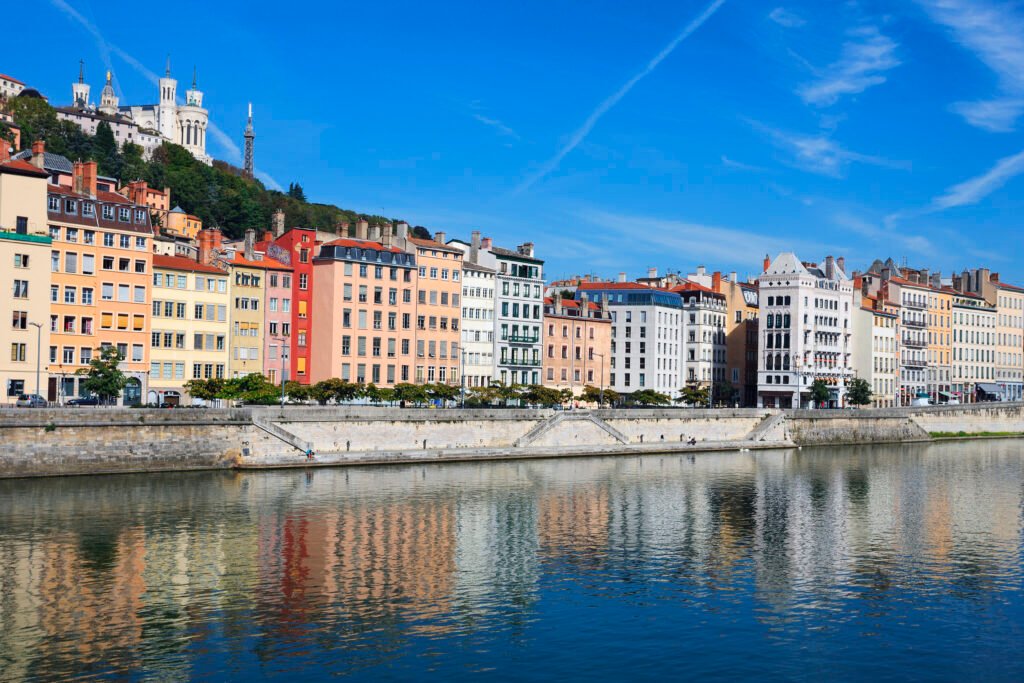
Inside Lyon’s Bouchons: An Authentic Taste of Local Tradition
Stepping into a Lyon bouchon is like going back in time. You’ll see checkered cloths and crowded tables. Servers move with ease, balancing plates of quenelles.
These places are more than restaurants. They keep alive a 200-year-old cooking tradition. Look for the gold “Authentique Bouchon Lyonnais” plaque for an authentic bouchon experience.
What Makes a True Bouchon Experience Different
True bouchons are all about simplicity. Meals are served family-style, making everyone feel like family. The menu is classic, with dishes like tablier de sapeur and pike quenelles.
One chef said,
“A bouchon isn’t about trends—it’s where Lyon’s soul meets the plate.”
The service is also traditional. Waiters call out orders in Lyonnais dialect, adding to the charm.
The Most Charming Bouchons Worth Visiting
- Le Bouchon de l’Annonciade: Since 1894, this Vieux Lyon gem serves quenelles so tender they melt like clouds.
- Chez Léa: A feminist icon since 1939, its walls adorned with patrons’ love notes alongside Lyonnaise salad recipes.
- Le Progrès: A working-class institution where miners once fueled up on pork belly confit, now a beacon for culinary travelers seeking unpretentious excellence.
Signature Bouchon Dishes That Capture Lyon’s Soul
Every bouchon’s menu tells Lyon’s story. The Lyonnaise salad is a golden egg yolk over lardons and frisée. Quenelles float in broth like soft pillows.
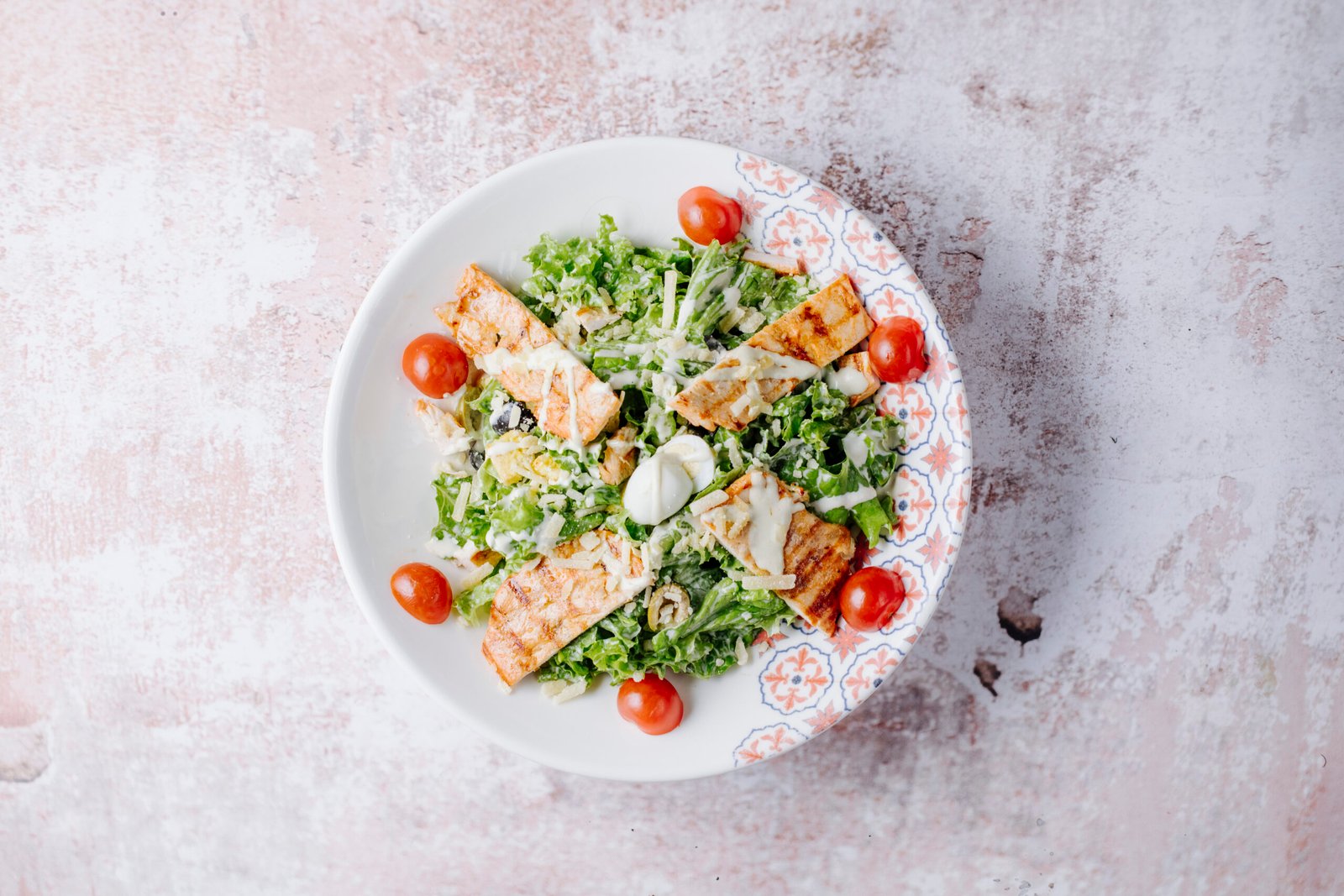
The best bouchons in Lyon mix simple flavors with skill. A perfectly seared andouillette is a perfect example, with its smoky char and creamy sauce.
A Culinary Tour of Lyon France Through Its Iconic Neighborhoods
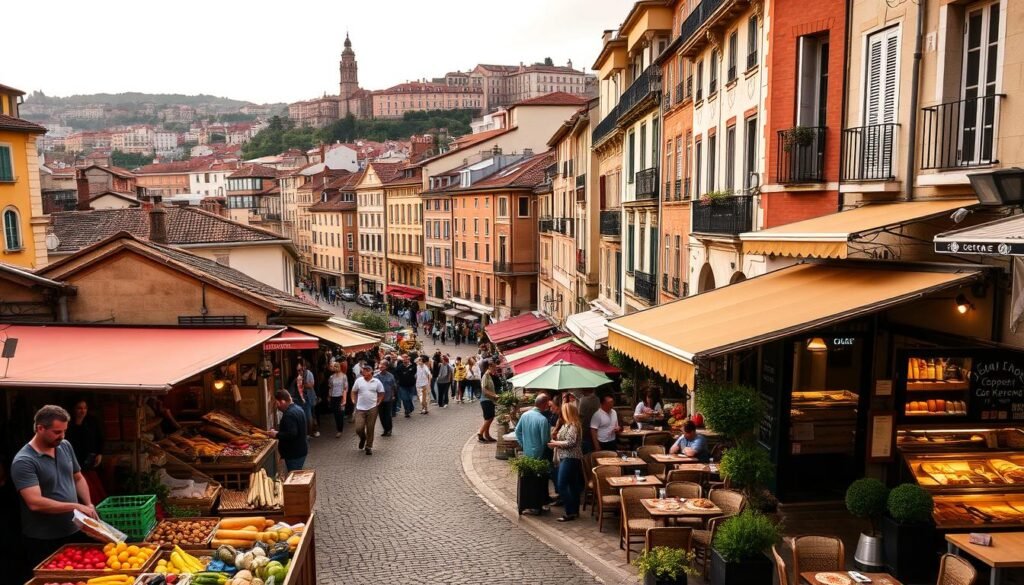
Your journey through Lyon’s culinary districts started in Vieux Lyon. Here, cobblestone streets and traboules hide patisseries steeped in Old Lyon cuisine. The scent of saffron-infused quenelles from a riverside bistro led you to discover how centuries of tradition shape every bite here. Nearby, tucked between Renaissance walls, a wine bar served vin jaune paired with salade lyonnaise—flavors that felt like stepping into Lyon’s past.
Then, I moved to Presqu’île, where the vibe was different. The bustling Rue de la République buzzed with cafés offering macarons and hot chocolate so velvety they defied logic. Similar to Barcelona’s vibrant markets (where tradition meets innovation), this district blends old-world charm with modern flair. A standout was a tiny chocolate atelier where artisans shaped pralines into delicate art.
| Neighborhood | Flavors | Must-Try |
|---|---|---|
| Vieux Lyon | Riverfront quenelles, vin jaune | L’Assiette Lyonnaise |
| Presqu’île | Chocolate creations, espresso art | La Maison du Chocolat |
| Croix-Rousse | Artisanal charcuterie, modern tarts | La Table des Chevaliers |
In Croix-Rousse, silk-weavers’ lofts now house bakeries crafting flaky bouchon pastries. A young chef there will teach you on how their pikees (potato pancakes) balance heritage with new techniques—a testament to Lyon’s evolving identity.
- Start early in Vieux Lyon for morning pastries
- Pair Presqu’île’s chocolate with an espresso at 3 p.m.
- Explore Croix-Rousse markets on weekends for artisanal finds
A Lyon food tour reveals how each district tells a story. Whether savoring a buttery madeleine in a 17th-century cellar or chatting with cheese affineurs in Croix-Rousse, the city’s culinary spirit unfolds like a flavorful map. Let your senses guide you through these Lyon food neighborhoods—where every bite is a dialogue between history and hunger.
Les Halles de Lyon Paul Bocuse: A Food Market Like No Other
At the heart of Lyon’s culinary scene is Les Halles de Lyon Paul Bocuse. It’s where old meets new. Named after Paul Bocuse in 2019, it’s a tribute to Lyon gourmet shopping. The market’s high ceilings ring with the sounds of cooking and the whispers of long-time vendors, carrying on the Paul Bocuse legacy of quality.
Meeting the Passionate Vendors Who Define Lyon’s Food Culture
Every stall has a story. A cheese merchant showed me the Saint-Marcellin’s rich smell, which gets stronger with time. Next to him, a charcutier cut jambon de Lyon with skill, sharing family secrets passed down to Paul Bocuse. These vendors are more than sellers; they keep Lyon’s food history alive.
The Must-Try Specialties at Les Halles
- Richly marbled saucisson sec from the market’s oldest charcuterie stall
- Buttery brioche praline, its caramel crunch contrasting with flaky dough
- Freshly shucked oysters from Rhône fisheries, their briny tang best paired with a glass of Alsatian wine
- Truffle-infused butter, spreadable proof of Lyon’s obsession with umami
How to Navigate This Gastronomic Paradise Like a Local
Start early to see fishermen bring in fresh fish from the Saône. Try goûts (samples) before buying. For those who don’t speak French, a smile and nod can lead to great conversations. And don’t forget to try a buttery brioche praline—it’s Lyon’s sweet delight.
The Beaujolais Connection: Wine Traditions That Complement Lyon’s Cuisine
Your journey into Lyon’s culinary heart will led you to the Beaujolais wine region. Here, sun-drenched vineyards whisper secrets of centuries-old traditions. This area, just south of Lyon, has long been the city’s wine muse. The Lyon wine pairing ritual isn’t just an event—it’s a language locals speak fluently.
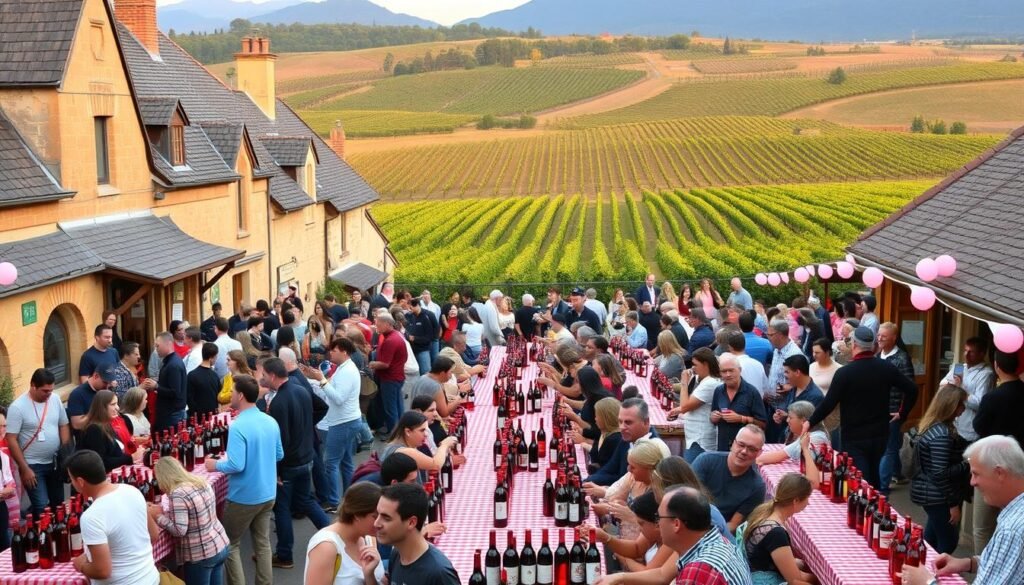
Last November, I stood in a bustling Lyon square as crowds cheered Beaujolais Nouveau Lyon’s arrival. The wine’s fruity burst paired with saucisson and cheese felt like a toast to shared joy. But true harmony comes when dishes meet their wine soulmates. A sommelier once told me,
“Beaujolais isn’t about pretension—it’s about making every bite brighter.”
Here’s how the region’s wines dance with Lyon’s classics:
| Dish | Wine Match |
|---|---|
| Coq au Vin | Morgon’s earthy notes |
| Andouillette | Fleurie’s velvety texture |
| Poêlée de Mouton | St-Amour’s smoky depth |
Exploring vineyards, you’d learned that French wine and food traditions here are deeply intertwined. Cru Beaujolais wines like Julienas or Moulin-à-Vent offer complexity that elevates even humble dishes. For everyday meals, the Nouveau’s playful charm becomes a festive companion. This balance of simplicity and sophistication is Lyon’s culinary soul—a truth I savored in every glass and bite.
Sweet Lyon: The City’s Incredible Pastry and Confectionery Heritage
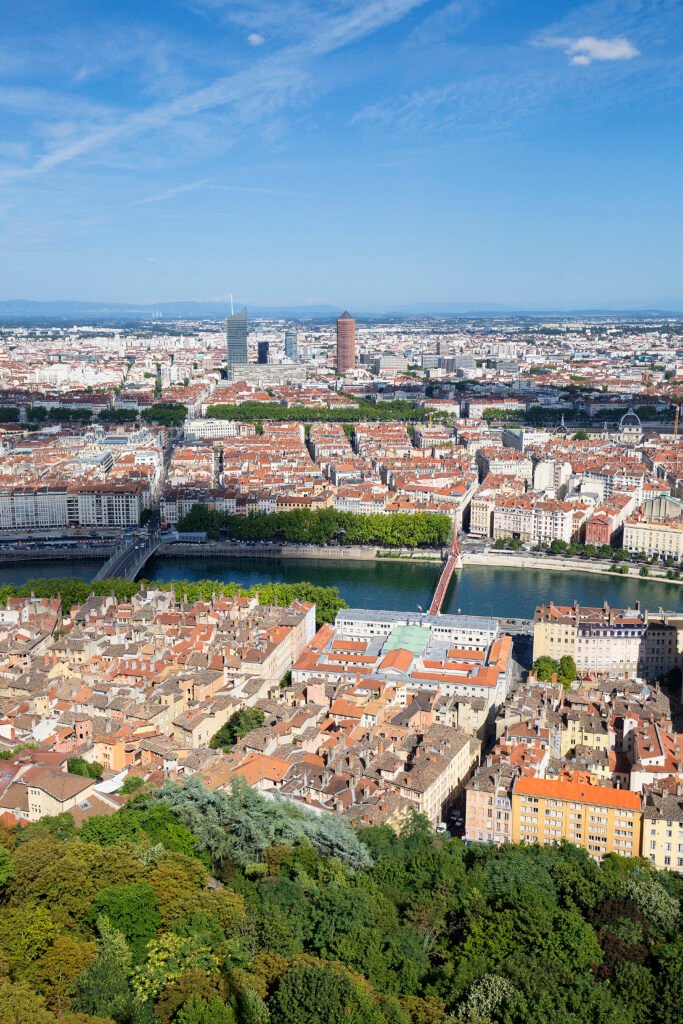
Walking through Lyon’s cobblestone streets, the glow of sugar-glazed treats in pastry shop windows pulls me in. Among them, pink pralines Lyon stand out—tiny almonds bathed in rose-tinted sugar, their origins rooted in Renaissance recipes. These candies now star in modern creations like velvety praline-filled tarts, proving Lyon desserts blend history and innovation.
The Story Behind Lyon’s Famous Pink Pralines
First crafted by nuns in the 16th century, pink pralines’ signature blush comes from cochineal dye. Today, French pastry traditions endure as artisans like those at L’Éclair de Génie layer pralines into buttery brioche cakes. “The sugar must caramelize just so,” a patissier confided, her hands shaping almonds into jewels.
Traditional Pastries That Have Stood the Test of Time
At La Maison Chambelland, a 1920s institution, You’d tasted coussin de Lyon: marzipan pillows dipped in dark chocolate. For Carnival, bugnes—crisp choux pastry rings—fill bakeries, their yeasty aroma a seasonal ritual. These treats feel like edible heirlooms, passed through generations with reverence.
Where to Find the Most Exquisite Desserts in Lyon
- La Pâtisserie des Lices: A family-run workshop since 1965, crafting coussins with almond paste sourced from local orchards.
- Boulud Sud Est: A modern space reimagining classics, like praline gelato with lavender honey.
- Pâtisserie Chabaud: A 1903 shop where bugnes are fried in duck fat, a tradition since the 15th century.
Each bite here feels like a love letter to Lyon confectionery—a heritage as rich as the chocolate coating a coussin.
How Lyon Balances Tradition and Innovation in Today’s Culinary Scene
Walking through Lyon’s bustling markets, you can smell tradition and innovation in the air. Modern Lyon cuisine is a mix of quenelles and new techniques. This shows that Lyon’s food scene is always changing, not stuck in the past.
Today’s chefs in Lyon, inspired by Paul Bocuse, are making old dishes new again. They use flavors from around the world to create something truly unique.
In Lyon’s kitchens, chefs like Stéphane Jégo are mixing Lyonnais dishes with Asian flavors. Imagine a salmi with yuzu glaze or andouillette with smoked paprika. It’s a blend of old and new.
“We honor our roots but let them breathe,” one chef said. This captures Lyon’s spirit perfectly.
- Tradition Reimagined: Bouchons now serve duck confit as ravioli, balancing crisp pastry with rich sauce.
- Cultural Crossroads: North African spices now season quenelles at La Maison Troisgros, proving fusion isn’t a trend but a local story.
Lyon’s culinary schools keep the tradition alive while embracing new methods. At Institut Paul Bocuse, students learn old ways and new tech. This mix is what makes Lyon’s food scene special.
Every dish in Lyon is a mix of history and innovation. It’s a taste of the past and a glimpse of the future.
Conclusion: Why Lyon Will Forever Remain a Pilgrimage Site for Food Enthusiasts
Lyon’s food scene is more than just taste—it’s a mix of old and new. Every dish, from buttery quenelles to caramel pralines, tells a story of tradition. But Lyon doesn’t just hold onto the past; it makes it new again. This makes Lyon food tourism a lively exchange, not just a tour.
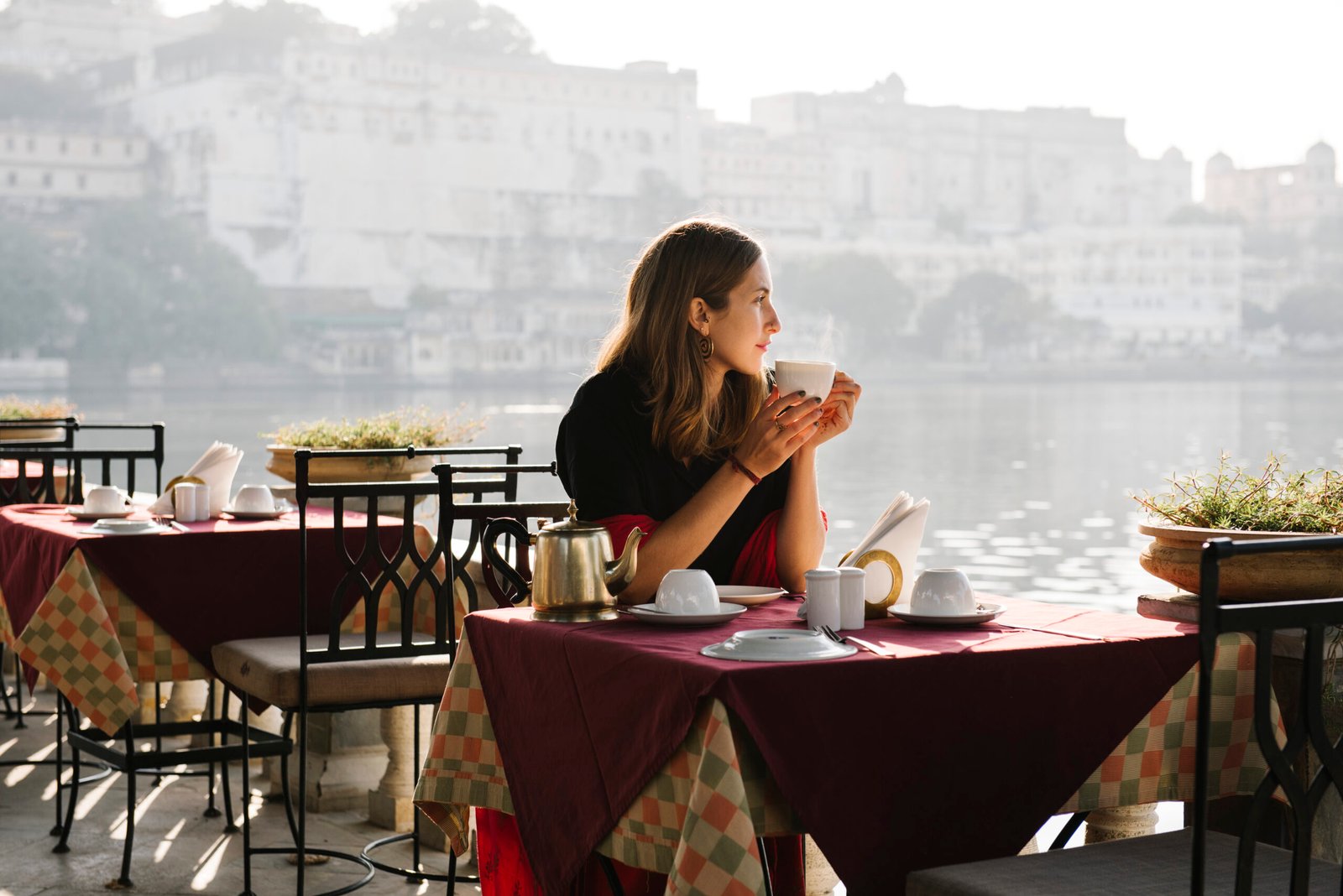
Walking through Lyon, you’ll find kitchens and bouchons that feel like community tables. Strangers become friends, and meals become stories. It’s a place where food brings people together.
The Mères Lyonnaises’ legacy is alive in every dish. At the Les Halles de Lyon Paul Bocuse, vendors are both keepers and creators of French cuisine. Their love for food turns a visit into a journey through France’s culinary heart.
For travelers, Lyon is a place to explore through taste. From Beaujolais vineyards to secret patisseries, every bite is a piece of history. For your own food adventure, Epicurean Escape will guide you through Lyon’s neighborhoods. It ensures every meal celebrates Lyon’s spirit: food as a way to connect, not just eat.
Leaving Lyon, you took away more than just memories—you gained a deeper understanding of food’s power to unite. In a world of fast-changing trends, Lyon stands out. It’s a place where tradition and innovation meet. For those seeking real flavors, Lyon is more than a stop; it’s a journey where every meal is a pilgrimage.